Nolvadex
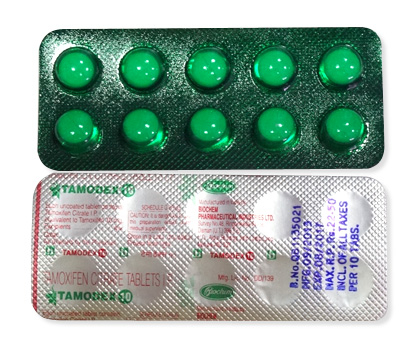
Nolvadex
- Nolvadex can be purchased in our pharmacy without a prescription, with delivery in 5–14 days throughout the United Kingdom. Discreet and anonymous packaging is provided.
- Nolvadex is used for the treatment of hormone receptor-positive breast cancer. It works as an anti-oestrogen by blocking oestrogen receptors in breast tissue.
- The usual dosage of Nolvadex for adults is 20–40 mg daily.
- The form of administration is a tablet or oral solution.
- The effect of Nolvadex begins within a few days, but optimal therapeutic effects may take several weeks.
- The duration of action can last up to 24 hours.
- It is advised to avoid alcohol while taking this medication.
- The most common side effect is hot flashes.
- Would you like to try Nolvadex without a prescription?
Basic Nolvadex Information
- INN (International Nonproprietary Name): Tamoxifen
- Brand names available in United Kingdom: Nolvadex, Tamofen, Soltamox
- ATC Code: L02BA01
- Forms & dosages: Tablets: 10mg, 20mg; Oral solution: 10mg/5mL
- Manufacturers in United Kingdom: AstraZeneca, Teva, Sandoz
- Registration status in United Kingdom: Prescription-only (Rx)
- OTC / Rx classification: Prescription-only medication
Everyday Use & Best Practices
Morning Vs Evening Dosing
Timing is crucial when taking Nolvadex to maximise its benefits and minimise side effects. The recommended dosing schedule usually suggests taking Nolvadex once daily. Patients often prefer taking their dose in the morning, aligning it with their daily routine. However, some find evening dosing more practical, especially those who experience nausea as a side effect. Ultimately, consider personal schedules and reactions when determining the best time for administration.
Taking With Or Without Meals
When it comes to Nolvadex, dietary habits influence how the medication is absorbed. There are no strict rules about taking Nolvadex with food, but it can be advantageous. Many in the UK consume hearty meals; hence, taking Nolvadex with food may help reduce gastrointestinal discomfort, a common concern among users. If you're enjoying a meal, taking your tablet at the same time might enhance its absorption and effectiveness. Standard British breakfasts, lunches, and dinners can provide an excellent timing cue.
Safety Priorities
Who Should Avoid It
It’s essential to be aware of who should not take Nolvadex. Those with a known hypersensitivity to tamoxifen or any of its ingredients should steer clear. Women with a history of deep vein thrombosis or pulmonary embolism are also advised against using this medication, as noted in MHRA guidelines. Always consult healthcare professionals for a thorough evaluation before starting on Nolvadex.
Activities To Limit
Considering the potential side effects, caution is advised when engaging in certain activities. Nolvadex may affect concentration and coordination, which can pose a risk when driving or operating machinery. Patients are encouraged to assess how they feel after taking the medication and avoid activities that require full attention until they understand its effects on their body. It's better to be safe than sorry when it comes to safety and well-being.
Dosage & Adjustments
General Regimen
For various conditions, NHS guidance typically suggests standard doses for Nolvadex. For adjuvant treatment in early breast cancer, the usual dosage is 20 mg taken once daily. When treating metastatic breast cancer, doses may increase to 40 mg daily, depending on individual needs and tolerance. Such protocols can evolve based on clinical review, so regular check-ins with healthcare providers are advised.
Special Cases
Some groups may require adjusted dosing. Elderly patients, while not needing standard dose alterations, may experience heightened sensitivity to side effects. Additionally, those with comorbidities—like liver or kidney issues—should be closely monitored. Individual circumstances often dictate the final dosage, making personalised medical consultation vital.
User Testimonials
Positive Reports From UK Patients
Patients across UK forums have reported positive experiences with Nolvadex. Many emphasise the drug's effectiveness in navigating their breast cancer treatment journeys, citing improved quality of life and manageable side effects. The feedback frequently highlights supportive communities that offer valuable insights, making the journey a little easier for newcomers.
Common Challenges
While there are many positive stories, challenges exist among Nolvadex users as well. Common issues include managing side effects like hot flashes and nausea, which can impact daily activities. Forums such as Patient.info encourage users to share coping mechanisms. Many have turned to lifestyle changes—such as dietary adjustments and exercise—to help ease discomfort, fostering a sense of community and shared resilience.
Buying Guide
Pharmacy Sources
For those looking to purchase Nolvadex in the UK, multiple reliable pharmacy chains are available. Stores like Boots, LloydsPharmacy, and Superdrug typically stock Nolvadex, ensuring easy access for patients. It’s advisable to check availability beforehand or consult pharmacy staff for assistance. In some cases, patients may even be able to buy Nolvadex without a prescription, making access more convenient.
Price Comparison
Pricing can vary between NHS prescriptions and private purchases. In England, the standard NHS prescription charge applies, but it's worth noting that Scotland, Wales, and Northern Ireland may have different pricing structures. Patients are encouraged to compare costs and consider any eligibility for exemptions. Knowing the price range for Nolvadex across different regions can aid in budgeting and financial planning.
What’s Inside & How It Works
Nolvadex, known internationally as Tamoxifen, is a renowned medication primarily used in breast cancer treatment. Understanding what it contains sheds light on how it operates within the body.
Ingredients overview
Nolvadex's active ingredient is tamoxifen, which functions as a selective oestrogen receptor modulator (SERM). This tablet formulation is typically offered in doses of 10mg and 20mg, ensuring versatility in treatment options. It holds the International Nonproprietary Name (INN) of tamoxifen, falling under the Antineoplastic and immunomodulating agents' classification. The primary aim is to target hormone receptor-positive cancers, blocking oestrogen's action to inhibit cancer growth. Each dosage form may contain various inactive ingredients to aid in its effectiveness, including excipients that ensure stability and absorption.
Mechanism basics explained simply
Nolvadex works primarily by binding to oestrogen receptors on breast cells. This interaction prevents oestrogen, a hormone promoting the growth of some breast cancers, from attaching to these receptors. By blocking this action, it hampers the growth of cancer cells, making it particularly effective in treating hormone receptor-positive breast cancer. This mechanism allows it not only to treat existing cancers but also to lower the risk of developing the disease in at-risk populations.
Main Indications
Doctors commonly prescribe Nolvadex for significant situations involving breast cancer, pushing it to the forefront of cancer treatment discussions.
Approved uses (MHRA listing)
The Medicines and Healthcare products Regulatory Agency (MHRA) has approved Nolvadex for multiple uses in breast cancer management. This includes treatment for metastatic breast cancer and as a preventive measure in women at high risk. Patients taking Nolvadex for effective duration generally follow a regimen of 20mg daily. The medicine is also critical in the adjuvant therapy for early-stage invasive breast cancer, with a recommended intake duration spanning up to five years. Its effectiveness in treating ductal carcinoma in situ (DCIS) further solidifies its essential role in oncological protocols.
Off-label uses in UK clinics
While often associated with breast cancer, Nolvadex sees off-label applications in UK clinics too. This includes situations like treating gynecomastia in males, where hormonal imbalances lead to breast tissue growth. Some clinicians use it in managing infertility cases, especially those stemming from testosterone-related issues. Its versatility invites healthcare professionals to explore innovative applications in hormonal treatments outside the standard breast cancer context.
Interaction Warnings
Patients must also understand how Nolvadex interacts with certain foods and medications to avoid undesired effects.
Food interactions (alcohol, tea/coffee)
While Nolvadex doesn’t have major restrictions concerning food intake, mixing it with alcohol may enhance side effects like drowsiness and dizziness. Additionally, caffeine, found in tea and coffee, can possibly affect its metabolism. Individuals using Nolvadex should be mindful of these combinations to mitigate risks and enhance therapeutic benefits.
Drug conflicts (MHRA Yellow Card reports)
Drug interactions can pose significant challenges. Reports from the MHRA Yellow Card system highlight potential conflicts with anticoagulants, such as warfarin, which could increase the risk of bleeding complications. Over-the-counter medications, hormone therapies, and certain antidepressants might also influence Nolvadex's efficacy or safety. It is crucial for patients to discuss all current medications with their healthcare provider, ensuring proactive measures against adverse interactions.
Latest Evidence & Insights
Recent studies continue to shine a light on Nolvadex's effectiveness and safety within the UK. Research from 2022 to 2025 reveals promising results in both long-term survival rates and overall patient quality of life. A notable study indicated that patients adhering to Nolvadex treatment over five years showed improved outcomes compared to those who discontinued early. Moreover, safety assessments reinforce the importance of monitoring side effects, particularly in long-term users. They highlight the necessity for routine check-ups, as early detection of adverse reactions can lead to better health management. These insights underpin the ongoing relevance of Nolvadex in modern cancer therapy.
Alternative Choices
When it comes to breast cancer treatment, various alternatives exist for patients, each offering unique benefits and challenges.
- Anastrozole (Arimidex): Aromatase inhibitor, primarily for post-menopausal women.
- Letrozole (Femara): Similar to Anastrozole, it reduces oestrogen production but may not suit all patients.
- Fulvestrant (Faslodex): Injected estrogen receptor down regulator, suitable in advanced cases.
- Raloxifene (Evista): Mostly used for osteoporosis and preventive therapy but has a role in breast cancer.
Every patient’s situation is different, necessitating discussions with healthcare professionals to weigh the pros and cons of each alternative. This ensures an informed choice, tailored to individual needs and preferences, alongside consideration of Nolvadex.
Regulation Snapshot
The approval process for Nolvadex (tamoxifen) in the UK is overseen by the Medicines and Healthcare products Regulatory Agency (MHRA). This agency evaluates the drug's safety, effectiveness, and quality before it can be prescribed within the National Health Service (NHS). The regulatory pathway for Nolvadex helps facilitate its use in various clinical scenarios, particularly in the treatment and prevention of hormone receptor-positive breast cancer.
Nolvadex has been available for prescription since its initial approval, and the MHRA mandates that healthcare providers adhere to strict guidelines when prescribing it. This includes evaluating patient histories and potential drug interactions. This regulatory framework shapes how Nolvadex is prescribed across the NHS, ensuring that healthcare professionals have access to current safety data and treatment protocols.
FAQ Section
Patients often have questions when starting Nolvadex. Here are a few common queries:
- What is Nolvadex used for? Nolvadex is primarily used in the treatment of breast cancer and as a preventative measure in high-risk patients.
- How long will I need to take Nolvadex? Treatment typically lasts 5 to 10 years, depending on the individual's clinical response and specific risk factors.
- Are there any side effects? Yes, common side effects may include hot flashes, nausea, and fatigue. However, not everyone experiences these.
- Can I buy Nolvadex without a prescription? In the UK, Nolvadex is a prescription-only medication, meaning it requires a doctor's prescription before it can be purchased.
Guidelines for Proper Use
UK pharmacist counselling style
When dispensing Nolvadex, pharmacists play a vital role in counselling patients. They typically begin by educating patients on how to take the medication correctly, stressing the importance of adhering to the prescribed dosage and schedule. Pharmacists will discuss potential side effects, such as hot flashes and nausea, ensuring that patients understand what to expect during treatment.
Furthermore, pharmacists are equipped to address any concerns about drug interactions or management strategies for side effects. They often provide easy-to-read materials and encourage questions, fostering a conversation that empowers patients in their treatment journey.
NHS patient support advice
The NHS provides a wealth of resources for patients on Nolvadex. Official NHS websites offer easy access to information on treatment protocols, side effects, and support options. Patients are encouraged to reach out to their local GP or community support teams for additional guidance.
Support groups and helplines are also available for those undergoing treatment, providing an arena for sharing experiences and coping strategies. Resources like Breast Cancer Now also offer tailored advice, which is crucial for patients navigating the complexities of their treatment paths.
| City | Region | Delivery Time |
|---|---|---|
| London | Greater London | 5–7 days |
| Birmingham | West Midlands | 5–7 days |
| Manchester | Greater Manchester | 5–7 days |
| Leeds | West Yorkshire | 5–7 days |
| Glasgow | Scotland | 5–7 days |
| Liverpool | Merseyside | 5–7 days |
| Bristol | South West England | 5–7 days |
| Newcastle | North East England | 5–7 days |
| Sheffield | South Yorkshire | 5–9 days |
| Coventry | West Midlands | 5–9 days |
| Cardiff | Wales | 5–9 days |
| Telford | West Midlands | 5–9 days |
| Norwich | East of England | 5–9 days |
| Portsmouth | South East England | 5–9 days |
| Brighton | South East England | 5–9 days |