Nexium
Nexium
- Nexium can be purchased without a prescription in pharmacies across the United Kingdom, with discreet and anonymous packaging available for delivery.
- Nexium is used for the treatment of gastroesophageal reflux disease (GERD), erosive esophagitis, gastric and duodenal ulcers, Zollinger-Ellison Syndrome, and for the risk reduction of NSAID-associated ulcers. It works by inhibiting proton pumps in the stomach lining, thereby reducing gastric acid production.
- The usual dosage of Nexium varies depending on the condition being treated; for GERD, it is typically 20–40 mg once daily.
- The form of administration is available in various forms including film-coated tablets and gastro-resistant granules.
- The onset of action for Nexium generally occurs within one hour.
- The duration of action is approximately 24 hours.
- It is advisable to avoid alcohol while taking Nexium.
- The most common side effect of Nexium is headache.
- Would you like to try Nexium without a prescription?
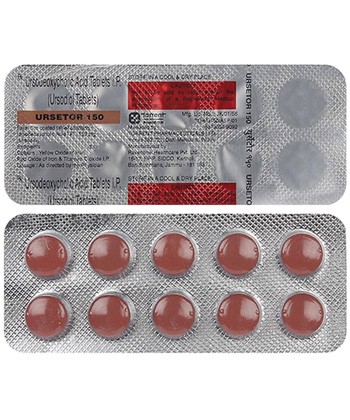
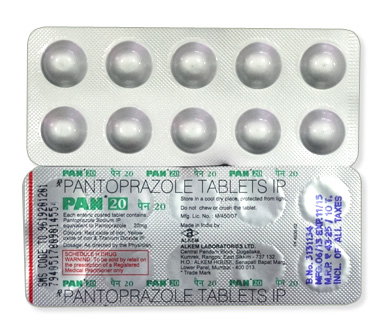
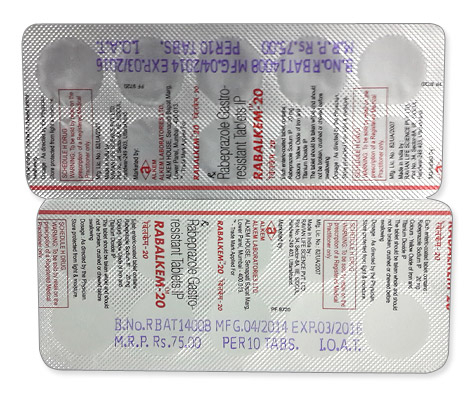
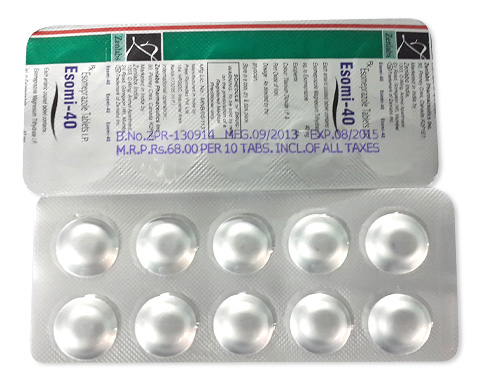
Basic Nexium Information
- INN (International Nonproprietary Name): Esomeprazole
- Brand names available in United Kingdom: Nexium, Nexium Control
- ATC Code: A02BC05
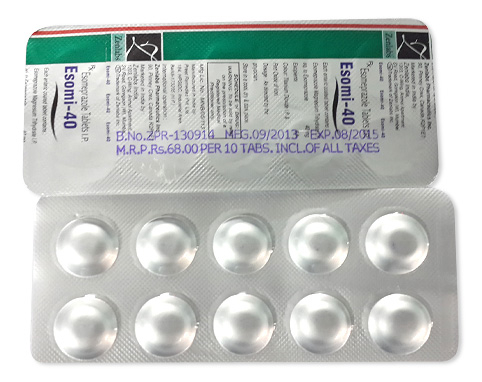
- Forms & dosages: Tablets (10 mg, 20 mg, 40 mg), granules (10 mg), IV powder (40 mg)
- Manufacturers in United Kingdom: AstraZeneca, Pfizer, various generics
- Registration status in United Kingdom: Approved
- OTC / Rx classification: Prescription-only (some forms available OTC)
Everyday Use & Best Practices
Morning vs Evening Dosing
Timing plays a crucial role in the effectiveness of Nexium (esomeprazole). For optimal results, it's recommended to take Nexium in the morning or at least an hour before meals. This timing maximises the absorption of the medication and aligns with the body’s natural digestive processes.
Personalisation is key. If symptoms tend to flare up at night, some patients prefer taking Nexium in the evening. It’s wise to manage your dosing schedule based on your daily routine and symptom patterns for the best relief.
Taking With or Without Meals
The absorption of Nexium can be influenced by food intake. While it can be taken regardless of meals, taking it before meals—particularly breakfast—can enhance its effectiveness. In the context of typical UK meal timings, this means taking Nexium about 30 to 60 minutes before your first meal, allowing the medication to work effectively throughout the day.
Here are some practical tips to consider:
- Integrate it into your morning routine, like along with your tea or toast.
- Maintain a consistent schedule so that you're taking it at roughly the same time every day.
- Consider fasting or light meals when experiencing heartburn episodes for rapid relief.
Safety Priorities
Who Should Avoid It
Certain populations are advised to steer clear of Nexium based on MHRA guidelines. Specifically, those with known hypersensitivity to esomeprazole or other PPIs should avoid this medication. Additionally, individuals with severe hepatic impairment must use caution and consult a doctor before taking Nexium.
Activities to Limit
Alertness can be affected in some individuals taking Nexium. While the majority do not experience severe side effects, caution is advisable. For instance, care should be taken if operating machinery or driving after taking the medication, especially in the first days of starting treatment.
Patients should remain vigilant and monitor how they feel, altering activities accordingly until they know how Nexium affects their personal alertness levels.
Dosage & Adjustments
General Regimen
The NHS provides clear guidance for dosing Nexium based on the condition being treated. Generally, for GERD, the recommended dosage is 20 mg to 40 mg once daily, depending on the severity and duration of symptoms.
For maintenance therapy, a standard dose of 20 mg daily is common. However, it's essential that patients consult with their healthcare provider for specific recommendations tailored to their situation.
Special Cases
For elderly patients or those with comorbidities such as heart or liver issues, dosage adjustments may be necessary. Monitoring is crucial for these populations as they may experience different side effects or require different dosages than younger, healthier individuals. For instance, those with severe hepatic impairment may need to limit their daily dose to a maximum of 20 mg.
User Testimonials
Positive Reports from UK Patients
Many UK patients report substantial relief from symptoms with Nexium, particularly those with persistent GERD. Testimonials on platforms like NHS forums emphasise its efficacy in reducing heartburn and enhancing quality of life. Many users appreciate the long-lasting effects that help maintain a symptom-free lifestyle.
Common Challenges
However, patients also encounter challenges. On forums such as Patient.info, users discuss side effects ranging from headaches to gastrointestinal disturbances. Adherence can be an issue for some, particularly when managing a complex medication regimen alongside lifestyle changes.
Buying Guide
Pharmacy Sources
Nexium is widely available across various pharmacies in the UK, including major retailers like Boots, LloydsPharmacy, and Superdrug. It’s easily accessible both online and in-store. For those wishing to purchase without a prescription, Nexium Control can be found over the counter at many pharmacies.
Price Comparison
When considering the cost of Nexium, there's a significant difference between private and NHS prescription charges. While NHS prescriptions typically incur a standard fee, buying Nexium over the counter may be more expensive but provides quicker access for those who need immediate relief.
What’s Inside & How It Works
Ingredients overview
Nexium, a brand name for esomeprazole, belongs to a class called proton pump inhibitors (PPIs). This active ingredient is pivotal in treating various acid-related disorders. Esomeprazole is renowned for its potency in lowering stomach acid.
The formulation typically contains esomeprazole in various strengths, namely 10 mg, 20 mg, and 40 mg, available as tablets or gastro-resistant granules. The right choice will depend on your specific needs, such as managing GERD, ulcers, or Zollinger-Ellison Syndrome.
Mechanism basics explained simply
Understanding how Nexium works may alleviate concerns about acid-related conditions. Essentially, esomeprazole blocks the proton pumps in stomach cells, reducing acid output. This mechanism helps heal damage to the stomach and esophagus caused by excess acid.
By inhibiting the acid production, Nexium eases symptoms like heartburn and acid reflux, making it a go-to for many individuals struggling with gastroesophageal reflux disease (GERD) or related issues.
Main Indications
Approved uses (MHRA listing)
According to the Medicines and Healthcare products Regulatory Agency (MHRA), Nexium is approved for various conditions. These include:
- Gastroesophageal reflux disease (GERD)
- Erosive esophagitis
- Duodenal and gastric ulcers
- Zollinger-Ellison syndrome
- NSAID-associated ulcer prevention
These indications highlight Nexium's versatility in managing stomach acid-related issues and its effectiveness in healing the digestive tract.
Off-label uses in UK clinics
Beyond its approved uses, Nexium is sometimes employed off-label for conditions like chronic cough linked to acid reflux or even in the management of certain gastrointestinal infections. In some cases, physicians prescribe Nexium as part of a regimen for treating H. pylori infections, combined with antibiotics.
This adaptability underscores its relevance in broader clinical settings, providing more holistic approaches for patients' gastrointestinal health.
Interaction Warnings
Food interactions (alcohol, tea/coffee)
When taking Nexium, dietary choices can impact effectiveness or safety. Alcohol may exacerbate side effects like gastrointestinal irritation, while caffeinated beverages (like tea and coffee) can increase stomach acidity, potentially limiting the intended benefits of the treatment.
It's sensible to be mindful of what accompanies your Nexium dosage to maximise its effectiveness.
Drug conflicts (MHRA Yellow Card reports)
Awareness of drug interactions is crucial when taking Nexium. Notably, medications like clopidogrel—used for blood thinning—can have reduced efficacy when taken with esomeprazole. Additionally, interactions with antifungal or certain antiretroviral drugs require careful monitoring.
Patients are advised to disclose their full medication list to healthcare providers to ensure safe and effective treatment.
Latest Evidence & Insights
Recent studies from the UK and EU between 2022 and 2025 have shed light on Nexium's efficacy and safety profile. Key findings reveal that its long-term use remains generally safe when monitored, showing lower rates of serious side effects in contemporary studies.
Moreover, comparisons with other PPIs indicate that esomeprazole continues to be effective in symptom relief for acid reflux, with many patients reporting improved quality of life.
Alternative Choices
For those unable to take Nexium, various alternatives exist within the NHS framework. Here’s a quick breakdown of options:
- Omeprazole: Another popular PPI, effective for similar acid-related issues.
- Pantoprazole: Often preferred for its proven efficacy and safety in long-term use.
- Lansoprazole: A good option for patients who may experience side effects with other PPIs.
Each alternative comes with its own pros and cons. Patients should evaluate these with their healthcare provider to find the best fit for their needs.
Regulation Snapshot
Nexium, known scientifically as esomeprazole, is fully regulated in the UK. It received approval from the Medicines and Healthcare products Regulatory Agency (MHRA) as a prescription-only medication. This means that patients need a prescription from a healthcare professional to obtain it. As for its availability on the National Health Service (NHS), Nexium is primarily prescribed for conditions related to gastroesophageal reflux disease (GERD) and other acid-related disorders. For clinical use, NHS guidelines suggest a range of dosing options, depending on the specific condition being treated.
Moreover, in some regions, patients may have access to a non-prescription version, known as Nexium Control, which is available over the counter for short-term relief of heartburn symptoms. However, the majority of usage remains under prescription, ensuring that medical professionals monitor its application, especially for long-term treatment plans.
FAQ Section
Here are some common questions UK patients may have regarding Nexium:
- Can I take Nexium while pregnant? While some studies suggest that Nexium is generally safe during pregnancy, it's always best to consult a healthcare professional for personalised advice.
- How quickly does Nexium work? Many patients report relief from GERD symptoms within 24 hours, but the best effects are usually seen after several days of consistent use.
- What are the common side effects of Nexium? Side effects can include headaches, nausea, and flatulence. If severe reactions occur, it's crucial to seek medical advice.
- Is Nexium effective for acid reflux? Yes, Nexium is widely endorsed as an effective treatment for acid reflux, working by reducing stomach acid production.
Guidelines for Proper Use
UK pharmacist counselling style
Pharmacists play a key role in patient education when it comes to Nexium. They typically adopt a friendly, approachable manner, ensuring patients feel comfortable discussing their concerns. The counselling usually involves explaining how to take Nexium correctly, which could involve taking it before meals for optimal absorption. They often reiterate the importance of adhering to the prescribed dosage and outline what to do in the case of a missed dose. Additionally, pharmacists provide advice on potential drug interactions, particularly with over-the-counter medications like Gaviscon or NSAIDs.
NHS patient support advice
The NHS offers several resources to assist patients using Nexium:
- NHS Direct: A great source for general information about medications.
- Local NHS services: Patients can access web portals to connect with local specialist teams who can provide further support.
- Patient information leaflets: Available at the point of prescription and online, these leaflets provide valuable information specific to Nexium.
| City | Region | Delivery Time |
|---|---|---|
| London | Greater London | 5–7 days |
| Birmingham | West Midlands | 5–7 days |
| Manchester | North West | 5–7 days |
| Leeds | West Yorkshire | 5–7 days |
| Coventry | West Midlands | 5–9 days |
| Cardiff | Wales | 5–9 days |
| Glasgow | Scotland | 5–9 days |
| Newcastle | North East | 5–9 days |
| Bristol | South West | 5–9 days |
| Sheffield | South Yorkshire | 5–9 days |
| Nottingham | East Midlands | 5–9 days |
| Southampton | South East | 5–9 days |
| Wolverhampton | West Midlands | 5–9 days |