Losec
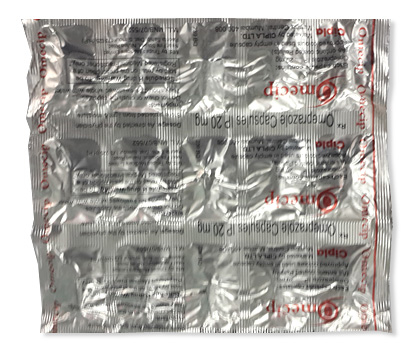
Losec
- Losec can be purchased without a prescription at pharmacies and online, with delivery available throughout the United Kingdom.
- Losec is used for the treatment of gastroesophageal reflux disease (GERD), erosive esophagitis, and gastric ulcers. It works by inhibiting the proton pump in the stomach, reducing the production of stomach acid.
- The usual dose for GERD is 20 mg once daily; for erosive esophagitis and gastric ulcers, it is typically 20–40 mg once daily.
- The form of administration is available as delayed-release capsules or tablets.
- The effect of the medication typically begins within 1 hour.
- The duration of action is around 24 hours.
- Alcohol consumption is not recommended while taking Losec.
- The most common side effect is headache.
- Would you like to try Losec without a prescription?
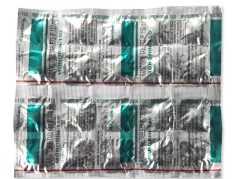
Basic Losec Information
- International Nonproprietary Name (INN): Omeprazole
- Brand Names Available in United Kingdom: Losec, Omeprazole Sandoz
- ATC Code: A02BC01
- Forms & Dosages: 10mg, 20mg, 40mg tablets or gastro-resistant capsules
- Manufacturers in United Kingdom: AstraZeneca, Sandoz, Mylan
- Registration Status in United Kingdom: Approved for prescription and OTC
- OTC / Rx Classification: 20mg (OTC), 10mg, 40mg (Prescription)
Everyday Use & Best Practices
When it comes to taking Losec, the majority of users in the UK prefer to dose in the morning with breakfast. This aligns well with their daily routine and helps in effectively managing symptoms. However, some individuals opt for evening dosing, particularly if they are experiencing symptoms frequently at night. Timing can play a critical role in maximizing the medication’s effectiveness.
In the UK, consuming Losec with meals is a common practice. Many users find that taking the medication alongside or just after food helps in minimising any potential stomach upset. Depending on personal preference, Losec mups can be dissolved in water for easier consumption, making it adaptable to different dietary habits. Understanding how to take Losec mups properly, alongside your daily meals, can enhance both comfort and efficacy.
Safety Priorities
According to the Medicines and Healthcare products Regulatory Agency (MHRA), certain individuals should exercise caution when considering Losec. Those with liver disorders may need to avoid it or require a dosage adjustment. Alternatives such as H2-receptor antagonists might be recommended for sensitive groups, ensuring safety and efficacy.
It’s imperative to consider activities that may be affected by Losec. Some potential side effects, like dizziness or gastrointestinal discomfort, could impair the ability to drive or perform safety-sensitive tasks effectively. Consulting a healthcare professional is crucial, especially when evaluating medications like Losec, to assess the safety of continuing daily activities.
Dosage & Adjustments
Following NHS guidance, the standard regimen for Losec typically involves a dosage of 20mg once daily for conditions such as gastroesophageal reflux disease (GERD). Over-the-counter and prescription options differ, hence it’s vital to choose accordingly based on individual medical needs. Ensuring adherence to prescribed dosages promotes therapeutic outcomes while avoiding potential complications.
Adjustments may be necessary for certain demographics, especially elderly patients or those with comorbidities. In such cases, monitoring health with a healthcare provider can lead to tailored dosing strategies that enhance safety and efficacy. Always consult documentation on Losec dosing guidelines to better understand strengths like Losec mups 20 mg gastro-resistant tablets for targeted treatment outcomes.
User Testimonials
UK patients have shared overwhelmingly positive reports regarding the relief and management of their symptoms while using Losec. Many describe a significant improvement in their quality of life, citing freedom from discomfort that was previously persistent. Some testimonials highlight that using Losec as part of their daily routine has enabled them to enjoy meals without worry.
However, common challenges persist within the user community as discussed in forums like Patient.info and NHS platforms. Many individuals report side effects, such as headaches or nausea, and accessing Losec can sometimes present challenges. Tips from patient discussions suggest staying hydrated and maintaining a balanced diet to help mitigate these issues. Ultimately, sharing these experiences can assist others in overcoming obstacles associated with using Losec medication.
Buying Guide
When looking to buy Losec in the UK, popular pharmacy sources include Boots, LloydsPharmacy, and Superdrug. These retailers carry various forms of Losec, including 10mg and 20mg options, both over-the-counter (OTC) and prescription. In addition to physical locations, many pharmacies now offer online services. Websites allow for convenient online purchases and prescription services, making it easier than ever to access Losec without stepping outside.
When considering adequate pricing structures, thinking about NHS prescription charges versus private costs becomes crucial. For OTC versions, typical costs range from £6 to £9 depending on the pharmacy. However, prescriptions can vary regionally; in England, a standard prescription charge applies, while in Scotland and Wales, medications may be free. It's always a good idea to compare prices at different pharmacies to find the best deal.
For those asking, "Where can I buy Losec?" the answer includes both in-store and online pharmacy options in the UK. Keeping an eye on Losec 20mg prices across different pharmacies might save some money on your purchase.
What’s Inside & How It Works
Understanding what is in Losec helps decode how it functions. The primary ingredient, omeprazole, is known as a proton pump inhibitor. It reduces stomach acid production, thereby alleviating conditions like GERD and ulcers. Formulations may vary, with Losec MUPS designed for dispersibility — making it an ideal choice for those needing a solution that's easier to swallow.
Mechanism-wise, omeprazole works by blocking the proton pump in the stomach lining. This action effectively reduces gastric acid secretion, which is beneficial for managing acid-related disorders. The intended effects include reduced heartburn and improved digestive comfort, highlighting why Losec is a go-to choice for many.
For those questioning, "What exactly is Losec?", it’s essential to remember that omeprazole is the star ingredient behind this effective solution.
Main Indications
Losec is approved for numerous conditions, as per MHRA guidelines. This includes treatment for GERD, erosive esophagitis, and peptic ulcers. It's available both as an OTC option for short-term management and as a prescription medication for chronic conditions. Each use case is tailored based on severity and patient history.
Interestingly, medical professionals often explore off-label uses for Losec in UK clinics. Although not officially sanctioned, some patients find it effective in treating conditions beyond its primary indications, such as specific cases of dyspepsia. However, it’s necessary to discuss these options with a healthcare provider to ensure safety and appropriateness.
Patients frequently ask, "What is Losec used for?" It addresses various gastrointestinal challenges, making it a versatile player in treatment plans.
Interaction Warnings
There are food interactions to keep in mind when taking Losec. For instance, consuming alcohol may impair the drug’s efficacy, while caffeine from tea and coffee can potentially irritate the stomach lining. For optimal outcomes, timing medication with meals is wise.
Moreover, drug interactions pose significant considerations. Reports submitted to the MHRA highlight interactions with drugs like clopidogrel and warfarin, emphasising the necessity of checking compatibility with any existing medications before starting Losec. Ensuring a well-informed approach helps avoid adverse effects.
Questions like, “Can you buy Losec over the counter?” arise frequently, as consumers seek advice on managing their medications safely. Rest assured, guidance is available to navigate these complexities.
Latest Evidence & Insights
Recent studies conducted in the UK and EU between 2022 and 2025 have focused on the efficacy and safety of Losec, known scientifically as omeprazole.
These investigations reveal significant insights into how Losec compares with other proton pump inhibitors (PPIs) while confirming its established role in managing acid-related conditions.
Research indicates that Losec presents a favourable safety profile, with common side effects being generally mild. This reinforces its place as a first-line treatment for gastroesophageal reflux disease (GERD) and peptic ulcers. Moreover, findings suggest that long-term use of Losec may require careful monitoring to mitigate potential risks.
Consequently, these studies have prompted a re-evaluation of current treatment protocols, encouraging healthcare professionals to individualise therapy based on patient needs and emerging evidence.
Key findings include:
- Continuous efficacy in symptom relief.
- Minor side effects consistent with previous studies.
- Recommendations for monitoring long-term therapy.
These insights are essential for healthcare providers deciding on protocols that incorporate Losec, balancing its benefits against any potential risks.
Alternative Choices
For those considering alternatives to Losec, several options are available, including esomeprazole and pantoprazole. Evaluating their pros and cons is crucial for effective management of acid-related disorders.
Esomeprazole:
- Pros: Often deemed more effective for some patients, providing longer-lasting relief.
- Cons: Typically more expensive and may have a higher incidence of certain side effects.
Pantoprazole:
- Pros: Lower cost and fewer drug interactions, making it a preferred choice in many instances.
- Cons: Some patients report less effectiveness when compared to Losec.
Each alternative has its place depending on the specific needs of the patient. Individualised treatment is key; consulting with healthcare providers can facilitate optimum results.
Regulation Snapshot
The approval process for Losec involves extensive evaluation by the Medicines and Healthcare products Regulatory Agency (MHRA) in the UK.
MHRA's comprehensive assessment ensures that medications like Losec meet rigorous safety, quality, and efficacy standards before they are made available for prescription.
For practitioners, it's essential to adhere to the established guidelines for prescribing Losec, which are influenced by patient-specific factors and ongoing clinical evidence.
These regulations not only safeguard patient health but also support healthcare providers in delivering evidence-based care, ensuring that Losec is prescribed safely and efficiently.
FAQ Section
Patients often have questions regarding Losec. Here are some common queries:
1. What is Losec MUPS used for?
This formulation is primarily used for treating acid-related disorders like GERD and erosive esophagitis.
2. How to take Losec?
Losec should be taken as directed, usually before meals, to optimise absorption.
3. Are there any interactions with Losec?
Yes, certain medications may interact with omeprazole, so it's crucial to disclose all current medications to your healthcare provider.
4. Is Losec safe for long-term use?
While generally safe, long-term usage should be monitored by a healthcare professional due to potential risks associated with prolonged therapy.
Guidelines for Proper Use
Effective use of Losec starts with education from healthcare professionals, particularly pharmacists, who play an integral role in patient guidance.
Typical recommendations include:
- Discussing the importance of adherence to dosages.
- Explaining the potential for side effects and when to seek support.
The NHS offers various resources to support patients taking Losec.
Patients can access information through NHS services or consult with their pharmacist for further clarification on their treatment.
Guidance on proper use ensures optimal therapeutic outcomes, encouraging patients to engage actively in their treatment journey.
| City | Region | Delivery Time |
|---|---|---|
| London | Greater London | 5–7 days |
| Birmingham | West Midlands | 5–7 days |
| Manchester | North West | 5–7 days |
| Liverpool | North West | 5–7 days |
| Leeds | West Yorkshire | 5–7 days |
| Newcastle | North East | 5–9 days |
| Sheffield | South Yorkshire | 5–9 days |
| Glasgow | Scotland | 5–9 days |
| Bristol | South West | 5–9 days |
| Nottingham | East Midlands | 5–9 days |
| Brighton | South East | 5–9 days |
| Cardiff | Wales | 5–9 days |