Dulcolax
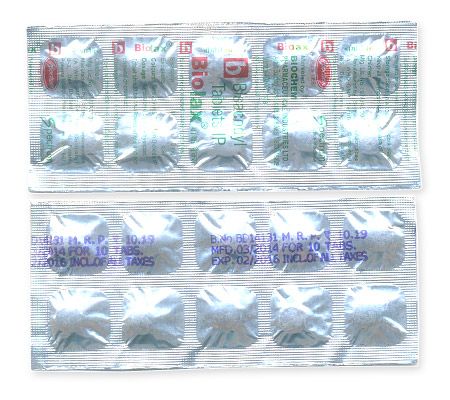
Dulcolax
- In our pharmacy, you can buy Dulcolax without a prescription, with delivery available throughout the United Kingdom.
- Dulcolax is used for the treatment of occasional constipation and for bowel cleansing before procedures. The drug works as a stimulant laxative, increasing colon peristalsis and water secretion.
- The usual dose of Dulcolax for adults is 5–10 mg, and for bowel evacuation, it can be 10–20 mg.
- The forms of administration include enteric-coated tablets (5 mg) and suppositories (10 mg).
- The effect of Dulcolax begins within 6–12 hours when taken orally and approximately 15–60 minutes when used rectally.
- The duration of action typically lasts for up to 24 hours.
- It is advised to avoid alcohol while taking Dulcolax.
- The most common side effects include abdominal cramps, discomfort, and diarrhea.
- Would you like to try Dulcolax without a prescription?

Basic Dulcolax Information
- International Nonproprietary Name (INN): Bisacodyl
- Brand names available in United Kingdom: Dulcolax
- ATC Code: A06AB02
- Forms & dosages: Tablets: 5 mg; Suppositories: 10 mg
- Manufacturers in United Kingdom: Sanofi
- Registration status in United Kingdom: Approved
- OTC / Rx classification: OTC
Everyday Use & Best Practices
When considering the use of Dulcolax for constipation relief, the timing of the dose can significantly impact its effectiveness.Morning Vs Evening Dosing
The best time to take Dulcolax largely depends on individual preference and lifestyle. - Taking it in **the morning** can lead to a prompt response, typically within 6 to 12 hours, making it suitable for those who prefer relief early in the day. - Opting for an **evening dosage**, on the other hand, is ideal for users aiming for relief by morning, easing the discomfort before heading to work or starting daily activities. Establishing a consistent routine with Dulcolax enhances its efficacy, making timing an essential aspect to consider.Taking With Or Without Meals (UK Diet Habits)
UK dietary habits can influence how well Dulcolax works. Consuming the medication on an empty stomach may lead to quicker effects. However, for those who prefer to take it with food, it's crucial to steer clear of certain items. - **Milk** or **antacids** should be avoided around the time of taking Dulcolax, as they can interfere with its absorption by dissolving its protective coating too soon. - Observing personal dietary patterns can help to understand the optimal time for consumption. For optimal results, ensure you drink plenty of fluids to help the medication work effectively while maintaining a balanced diet.Safety Priorities
Although Dulcolax is generally safe for many, certain demographics should avoid it.Who Should Avoid It (MHRA Warnings)
The **Medicines and Healthcare products Regulatory Agency (MHRA)** has outlined specific groups and conditions that warrant caution when considering Dulcolax: - **Elderly patients** can be at greater risk for electrolyte imbalances. - Individuals with a history of bowel obstructions or severe abdominal pain should refrain from use. - Those with **inflammatory bowel diseases**, like Crohn’s or ulcerative colitis, are also advised against taking this medication. Always consult a healthcare professional if there are any concerns regarding suitability for use.Activities To Limit (Driving, Work Safety)
Dulcolax may cause **dizziness or disorientation** in some users. Such side effects could pose risks in situations requiring full attention, like driving or operating machinery. It’s advisable to assess personal tolerance before engaging in these activities post-ingestion. When trying a new laxative like Dulcolax for the first time, it’s prudent to plan accordingly to avoid potential hazards.Dosage & Adjustments
Understanding the correct dosage for Dulcolax is vital for safety and efficacy.General Regimen (NHS Guidance)
The NHS recommends the following standard dosages: - **Adults**: 5 to 10 mg taken once daily (1-2 tablets). - **Pediatric**: Children over 6 years can take 5 mg orally or a 5 to 10 mg suppository as prescribed by a doctor. This routine generally provides satisfactory results in alleviating constipation, yet dosages should always be adhered to in strict accordance with guidance or prescription.Special Cases (Elderly, Comorbidities)
Vulnerable populations, such as the **elderly and those with comorbidities**, may require dosage adjustments and close medical supervision. It’s essential to handle Dulcolax with care in these instances to prevent complications and ensure safe consumption. Always engage with a healthcare professional if there are questions regarding appropriate dosages tailored for individual situations.In summary, understanding how to use Dulcolax effectively—timing, dietary considerations, safety precautions, and dosage—can significantly enhance its benefits for individuals seeking relief from constipation. Always consult health experts for tailored advice.
What’s Inside & How It Works
Ingredients overview
Dulcolax contains the active ingredient Bisacodyl, a stimulant laxative known for its effectiveness in relieving constipation. Each tablet is typically available in a strength of 5 mg, making it a popular choice for those seeking relief. The formulation may also include excipients that help ensure the proper absorption and effectiveness of the active ingredient. Common excipients found in many formulations include lactose, starch, and magnesium stearate, which aid in the overall stability and usability of the medication.
Mechanism basics explained simply
How does Dulcolax work? The magic lies in its ability to stimulate bowel movements through a process called peristalsis. Once swallowed, Bisacodyl is activated in the intestines. It increases the activity of the intestinal muscles, prompting them to contract stronger and more frequently. This excitement causes the bowels to push their contents forward, leading to a bowel movement. Ideally taken at night, users often find that Dulcolax works effectively by the morning, aiding those in need of relief from occasional constipation.
Main Indications
Approved uses
According to MHRA listings, Dulcolax is officially approved for the treatment of occasional constipation in both adults and children above 6 years. It's also recognised for its role in clearing the bowel prior to surgical procedures or radiological examinations. This short-term use allows healthcare practitioners to facilitate necessary medical treatments while ensuring patient comfort.
Off-label uses in UK clinics
Some healthcare professionals may consider off-label uses of Dulcolax based on individual patient circumstances, such as managing symptoms related to irritable bowel syndrome (IBS) or providing relief for patients with slow transit constipation. Although Dulcolax is widely trusted for its primary indications, it’s essential for patients to consult their healthcare provider for tailored guidance.
Interaction Warnings
Food interactions
Interactions between Dulcolax and certain foods can significantly impact its effectiveness. For instance, caffeine found in tea and coffee can stimulate the digestive system, potentially heightening the effects of Dulcolax. Similarly, alcohol may lead to increased dehydration, intensifying the laxative effect of Dulcolax and increasing the risk of side effects such as cramps and discomfort.
Drug conflicts
The MHRA has identified several drug interactions that warrant caution. Patients taking Dulcolax alongside other medications, especially diuretics, corticosteroids, or drugs affecting electrolyte balance, should remain vigilant. It's important to have a thorough conversation with a healthcare provider about all medications currently in use before incorporating Dulcolax into one’s routine.
Latest Evidence & Insights
Recent studies conducted across the UK and EU from 2022 to 2025 underscore Dulcolax's efficacy in treating constipation. These reports highlight that the use of Bisacodyl not only provides prompt relief from bowel discomfort but is generally considered safe within recommended dosages. Investigations into its long-term effects reveal that while occasional use is beneficial, dependency can emerge if used excessively over prolonged periods. Ongoing research continues to explore the optimal use of Dulcolax in various patient populations, balancing efficacy with safety.
Alternative Choices
For those exploring options beyond Dulcolax, potential alternatives can include:
- Senna/Sennosides (Senokot): A natural stimulant laxative effective for constipation.
- Polyethylene glycol (Miralax): An osmotic laxative that retains water in the stool, making it softer.
- Sodium picosulfate (Guttalax): A chemically related stimulant laxative with a similar mechanism to Dulcolax.
- Lactulose (Duphalac): An osmotic laxative suitable for long-term use.
The choice of laxative can depend on individual needs, with each option presenting its own set of benefits and considerations. Always consult healthcare professionals for personalised advice tailored to specific health needs.
Regulation Snapshot
Dulcolax, known generically as Bisacodyl, carries an essential role in the treatment of occasional constipation in the UK. It has received approval from the Medicines and Healthcare products Regulatory Agency (MHRA), confirming its efficacy and safety for over-the-counter (OTC) sales. This approval allows pharmacists to recommend Dulcolax to patients without needing a prescription.
Under current NHS prescribing frameworks, Dulcolax is recognised as a go-to option for patients experiencing constipation. The guidelines encourage physicians to consider it for short-term use, particularly in situations requiring bowel preparation for medical procedures. It is crucial, however, to educate patients on not exceeding one week of continuous use to prevent potential dependency.
FAQ Section
Several questions frequently surface among UK patients considering Dulcolax, especially regarding safe usage and effectiveness:
- Can I take Dulcolax every day? Prolonged use of Dulcolax is not recommended. It's designed for occasional use. Daily reliance on stimulant laxatives can lead to dependency, so it's essential to consult your healthcare provider if you find yourself needing it regularly.
- What happens if Dulcolax doesn’t work? If Dulcolax fails to relieve constipation within 24 hours, it is advisable to contact a healthcare professional. There can be underlying conditions that may require different treatment approaches.
- Can I take Dulcolax with other medications? Some medications may interact with Dulcolax. Consulting a pharmacist or doctor is wise, especially if taking diuretics or medications affecting electrolyte levels.
- What if I miss a dose of Dulcolax? If a dose is missed, do not double up. Instead, take the next scheduled dose as recommended. Overdosing can result in severe side effects like dehydration and abdominal cramps.
Guidelines for Proper Use
UK pharmacist counselling style
Pharmacists play a vital role in guiding patients on the correct use of Dulcolax. When advising, they should:
- Discuss the importance of reading the product information leaflet.
- Emphasise taking liquor with plenty of water.
- Clarify that Dulcolax is meant for short-term use only.
- Highlight the common side effects, such as abdominal cramps or diarrhea, to set realistic expectations.
- Encourage patients to reach out if they do not experience relief or face continuous symptoms.
NHS patient support advice
The NHS extends various support resources for patients using Dulcolax. Patients can access:
- The NHS 111 service, available 24/7 for non-emergency medical advice.
- Local pharmacies that often provide consultations and product recommendations.
- Online platforms like the NHS website, offering a breadth of information on medication use and when to seek help.
- Direct contact points with healthcare providers for tailored advice regarding bowel health and Dulcolax usage.
| City | Region | Delivery Time |
|---|---|---|
| London | Greater London | 5–7 days |
| Birmingham | West Midlands | 5–7 days |
| Manchester | Greater Manchester | 5–7 days |
| Leeds | West Yorkshire | 5–7 days |
| Glasgow | Scotland | 5–7 days |
| Newcastle | Tyne and Wear | 5–7 days |
| Sheffield | South Yorkshire | 5–7 days |
| Bristol | South West England | 5–7 days |
| Cardiff | Wales | 5–7 days |
| Coventry | West Midlands | 5–9 days |
| Derby | East Midlands | 5–9 days |
| Gloucester | South West England | 5–9 days |
| Southampton | South East England | 5–9 days |
| Plymouth | South West England | 5–9 days |
| Nottingham | East Midlands | 5–9 days |