Co-amilofruse
Co-amilofruse
- In our pharmacy, you can buy co-amilofruse without a prescription, with delivery in 5–14 days throughout the United Kingdom. Discreet and anonymous packaging.
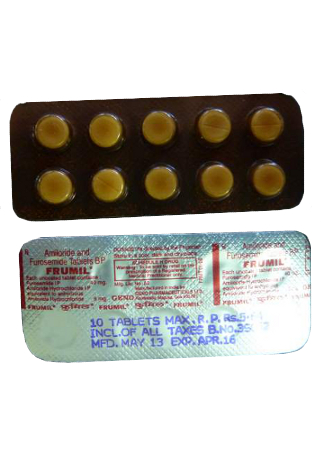
- Co-amilofruse is used for the treatment of edema associated with heart failure. The drug is a combination of furosemide, which is a loop diuretic, and amiloride, a potassium-sparing diuretic.
- The usual dose of co-amilofruse is 1 tablet (40 mg furosemide/5 mg amiloride) in the morning, which may be increased to 2 tablets per day if necessary.
- The form of administration is a tablet.
- The effect of the medication begins within 30–60 minutes.
- The duration of action is approximately 6–8 hours.
- Do not consume alcohol while taking this medication.
- The most common side effect is increased urination.
- Would you like to try co-amilofruse without a prescription?
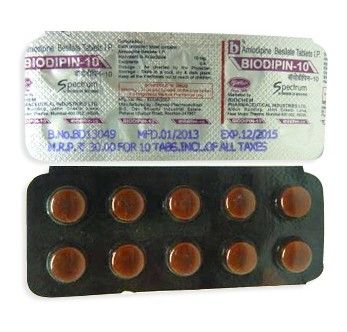
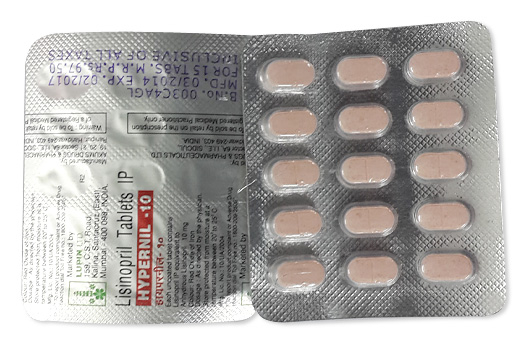

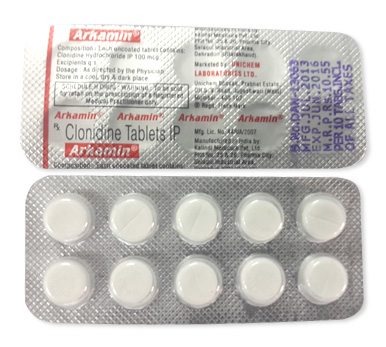



Basic Co-Amilofruse Information
- INN (International Nonproprietary Name): Furosemide and Amiloride Hydrochloride
- Brand names available in the United Kingdom: Frumil
- ATC Code: C03EB01
- Forms & dosages: Tablets (40 mg furosemide and 5 mg amiloride)
- Manufacturers in the United Kingdom: Sanofi
- Registration status in the United Kingdom: Prescription Only Medicine
- OTC / Rx classification: Prescription only (Rx, POM)
Everyday Use & Best Practices
The effective use of co-amilofruse can make a tremendous difference in managing symptoms related to conditions such as heart failure and fluid retention. Understanding the best practices for taking this medication can enhance its diuretic effects and support overall well-being. Below are some key considerations:
Morning vs Evening Dosing
Taking co-amilofruse in the morning is generally advised. This timing optimises its diuretic effects, allowing for better management of fluid retention throughout the day while minimising disturbances to sleep caused by night-time urination. Suggestions for dosing should always take into account individual patient preferences and daily routines. Factors such as work schedules, family obligations, or personal comfort can influence the ideal dosing time, and adjustments could be made as needed.
Taking With or Without Meals
Food can significantly affect the absorption of co-amilofruse. It is recommended to take this medication consistently in relation to meals to avoid fluctuations in its effectiveness. Here are some practical tips for those following traditional UK diets, which are often higher in carbohydrates and salt:
- Taking co-amilofruse with a meal may enhance absorption, especially when consuming larger or heavier meals.
- Staying mindful of salt intake is essential, as diets rich in salt can counteract the benefits of diuretics.
Encouraging patients to monitor their diet and adjust as necessary can support the efficacy of co-amilofruse and improve treatment outcomes. Consulting with dietary specialists may also be beneficial, especially for those managing conditions that require careful dietary management.
Buying Guide
When it comes to purchasing co-amilofruse, are you aware of both physical and online pharmacy sources where you can find it? Recognised chains like Boots, LloydsPharmacy, and Superdrug are all reliable options. They stock co-amilofruse tablets, with options for pickup or delivery where available. Additionally, independent pharmacies may provide personal service and local stock, potentially at competitive prices.
For those choosing to shop online, ensure you check stock availability on the pharmacy's website. Don't forget to:
- Compare prices among local pharmacies to secure the best deal.
- Verify the authenticity of online orders by ensuring the pharmacy is registered with the General Pharmaceutical Council.
Price Comparison
Understanding the cost of co-amilofruse is essential. If obtaining it via the NHS, prescription charges vary across the UK: England charges a standard fee, while patients in Scotland, Wales, and Northern Ireland may receive it free under certain conditions. Always check if you're eligible for exemptions.
For those needing to purchase co-amilofruse privately, prices can vary significantly depending on the supplier. Some patients may qualify for financial support schemes, so it’s worth exploring these options to ease the burden of costs.
What’s Inside & How It Works
Ingredients Overview
Co-amilofruse consists of two key ingredients: furosemide and amiloride. Furosemide works as a strong diuretic, promoting the elimination of excess fluid. Meanwhile, amiloride serves as a potassium-sparing diuretic, helping to maintain potassium levels in the body. This combination helps manage conditions like heart failure, offering a well-rounded approach to treatment.
Mechanism Basics Explained Simply
Understanding how these components work together is crucial. Furosemide enhances urine production, assisting with fluid retention issues. In contrast, amiloride helps to prevent potassium loss, which is a common side effect of many diuretics. For instance, in patients with heart failure, this combination can relieve symptoms such as swelling and fluid overload, ultimately improving quality of life.
Main Indications
Approved Uses
The approved indications for co-amilofruse include management of heart failure and conditions requiring effective diuretic therapy. The MHRA recognises its efficacy in treating individuals with excessive fluid retention due to various medical conditions, making it an essential tool for healthcare providers.
Additionally, NHS guidelines support the use of co-amilofruse in certain cases beyond just heart failure, broadening its utility in clinical settings.
Off-label Uses in UK Clinics
Practitioners have identified some common off-label uses for co-amilofruse, particularly in patients with specific kidney diseases or cases of chronic fluid retention. However, it’s crucial that patients are closely monitored and consult healthcare professionals before using the medication for such purposes to ensure safety and efficacy.
Interaction Warnings
Food Interactions
Diet can significantly affect the effectiveness of co-amilofruse. Alcohol and high caffeine intake, especially from tea and coffee, may disrupt hydration levels and impact urine concentration. Patients should consider moderating their intake of these substances to optimise treatment outcomes.
Drug Conflicts
It’s vital for patients to be aware of potential drug interactions with co-amilofruse. Other diuretics or medications affecting electrolyte levels can pose risks. MHRA Yellow Card reports highlight the need for individuals to report any adverse reactions experienced while taking the medication. Keeping an updated list of medications to share during doctor appointments is also a prudent practice to prevent potential conflicts.
Latest Evidence & Insights
Recent studies from the UK and EU conducted between 2022 and 2025 have explored the efficacy and safety of Co-Amilofruse in various patient populations, specifically those with heart failure and significant fluid retention issues. Research indicates that Co-Amilofruse, which combines furosemide and amiloride, effectively reduces symptoms associated with these conditions while maintaining electrolyte balance, particularly potassium levels.
One notable UK study reported a significant improvement in patients' quality of life, with a marked decrease in hospital readmissions related to heart failure. Another EU trial suggested enhanced diuretic response compared to other combinations, prompting discussions about its potential as a first-line therapy in certain cases.
Ongoing research continues to assess Co-Amilofruse’s role in combination therapies, particularly how adjustments in dosing can impact outcomes for elderly patients or those with renal insufficiencies. The implications of these studies may refine treatment protocols, offering healthcare providers a more nuanced understanding of the medication's benefits versus its risks in the long term.
Alternative Choices
NHS Prescribing Alternatives with Pros/Cons Checklist
Patients and healthcare professionals often consider alternatives to Co-Amilofruse for diuretic needs. Options like Moduretic (amiloride + hydrochlorothiazide) and Aldactazide (spironolactone + hydrochlorothiazide) present unique benefits and risks:
| Diuretic | Pros | Cons |
|---|---|---|
| Moduretic | Effective in fluid management; potassium-sparing | Potential for increased uric acid levels |
| Aldactazide | Potassium retention; useful for hypertension | Side effects include hormonal changes and electrolyte imbalances |
These alternatives may be particularly beneficial for patients with specific contraindications to Co-Amilofruse, highlighting the importance of tailored treatment.
Regulation Snapshot
MHRA Approval & NHS Prescribing Framework
Co-Amilofruse, marketed under various brand names, holds a Prescription Only Medicine (POM) status from the MHRA in the UK. This designation indicates that it can only be prescribed by a licensed healthcare professional following comprehensive assessment.
Every prescription comes with monitoring requirements to ensure patient safety, particularly regarding renal function and electrolyte levels. These regulations impact patient access, emphasising the need for regular consultations and adherence to prescribed treatment protocols for optimal effectiveness.
FAQ Section
Common UK Patient Questions
Patients frequently inquire about Co-Amilofruse; here are a few common queries:
- What is the dosing schedule? Typically, one tablet (40 mg furosemide/5 mg amiloride) is taken in the morning. Adjustments can be made based on clinical response.
- What side effects can I expect? Common side effects include increased urination, dizziness, and mild gastrointestinal upset.
- What should I do if I miss a dose? Take the missed dose as soon as remembered unless it’s near the next dose; do not double up.
These straightforward responses can help demystify the treatment process for patients.
Guidelines for Proper Use
UK Pharmacist Counselling Style
During pharmacist consultations, prioritising patient education is crucial. Pharmacists should ensure patients understand their treatment goals and the importance of adherence. Key questions to consider include:
- Are you experiencing any side effects?
- Are you able to maintain your dosing schedule?
Such dialogues foster a supportive environment, promoting better health outcomes.
NHS Patient Support Advice
Patients on Co-Amilofruse can access various NHS resources, including dedicated helplines and patient support groups. These platforms offer valuable information and emotional support for navigating health concerns.
Continuous communication with healthcare providers is essential for addressing any issues related to treatment, ensuring that patients remain informed and involved in their care journey.
| City | Region | Delivery Time |
|---|---|---|
| London | Greater London | 5–7 days |
| Birmingham | West Midlands | 5–7 days |
| Manchester | Greater Manchester | 5–7 days |
| Glasgow | Scotland | 5–7 days |
| Leeds | West Yorkshire | 5–7 days |
| Cardiff | Wales | 5–7 days |
| Bristol | South West England | 5–7 days |
| Sheffield | South Yorkshire | 5–7 days |
| Edinburgh | Scotland | 5–7 days |
| Newcastle upon Tyne | Tyne and Wear | 5–7 days |
| Nottingham | East Midlands | 5–9 days |
| Coventry | West Midlands | 5–9 days |
| Stoke-on-Trent | Staffordshire | 5–9 days |
| Derby | East Midlands | 5–9 days |
| Liverpool | Merseyside | 5–9 days |