Calcium Carbonate
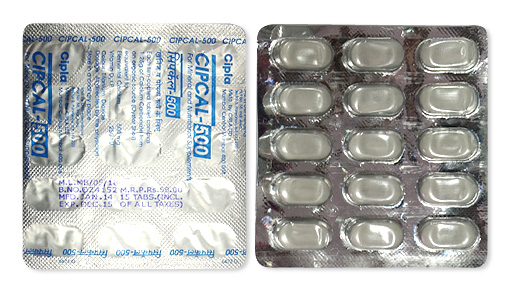
Calcium Carbonate
- In our pharmacy, you can buy calcium carbonate without a prescription, with delivery in 5–14 days throughout the United Kingdom. Discreet and anonymous packaging.
- Calcium carbonate is used as an antacid for relief of indigestion and heartburn, and as a calcium supplement for individuals with low calcium levels.
- The usual dose of calcium carbonate varies by condition but typically ranges from 500 to 1500 mg per day, divided into 2-3 doses.
- The form of administration includes chewable tablets, standard tablets, powders, and liquid suspensions.
- The effect of the medication begins within 1-2 hours when used as an antacid.
- The duration of action can last up to 3-4 hours for antacid effects.
- Do not consume alcohol while taking calcium carbonate as it may increase stomach discomfort.
- The most common side effect is mild constipation.
- Would you like to try calcium carbonate without a prescription?



Basic Calcium Carbonate Information
- International Nonproprietary Name (INN): Calcium Carbonate
- Brand Names Available in United Kingdom: Accrete D3, Acidex
- ATC Code: A02AC01
- Forms & Dosages: Tablets, chewable tablets, effervescent tablets, liquids
- Manufacturers in United Kingdom: Internis Pharmaceuticals, GlaxoSmithKline
- Registration Status in United Kingdom: OTC
- OTC / Rx Classification: Over-The-Counter
Everyday Use & Best Practices
The timing of calcium carbonate intake can significantly affect its absorption and effectiveness. For adults, splitting doses generally enhances absorption. Taking it in smaller amounts throughout the day, such as during the morning and evening, optimises the body's capability to utilise calcium from the supplement.
When it comes to meals, calcium carbonate is most effective when ingested with food. This synergistic approach aligns well with UK eating habits, where meals are typically structured around breakfast, lunch, and dinner. Taking calcium carbonate during or just after meals may help mitigate potential digestive discomfort and boost nutrient absorption into the bloodstream.
Safety Priorities
Certain individuals should steer clear of calcium carbonate due to safety concerns as outlined by the Medicines and Healthcare products Regulatory Agency (MHRA). This includes those with hypercalcemia, those with severe renal impairment, or individuals with a history of kidney stones formed from calcium. Consulting with a healthcare professional prior to commencing supplementation is advised to ensure it aligns with personal health needs.
In addition to safe consumption practices, individuals taking calcium carbonate should be mindful of side effects such as drowsiness or gastrointestinal discomfort. These can impact daily activities, including driving and operating heavy machinery. Caution is especially important during the initial phases of use or when adjusting doses.
Dosage & Adjustments
The NHS provides clear guidelines regarding the dosages of calcium carbonate for adults. Generally, the recommended dose ranges from 1000 mg to 1500 mg daily, often divided into multiple doses for optimal absorption. Individual requirements may vary based on specific health conditions and dietary needs.
For vulnerable populations, such as the elderly and those with comorbid conditions like renal impairment, dosage adjustments are essential. Older adults may require lower doses to prevent hypercalcemia and other complications, while adjustments for children are typically based on weight and age.
User Testimonials
Many users in the UK share positive experiences with calcium carbonate, particularly regarding its effectiveness in alleviating symptoms such as heartburn and indigestion. Numerous testimonials highlight its convenience as an over-the-counter solution that promptly provides relief from discomfort, making it a staple in many households.
However, challenges have also been documented. Some individuals report side effects like constipation or gastrointestinal upset, which can detract from the overall effectiveness of the supplement. Discussions in forums, such as those found on Patient.info and NHS platforms, reveal that while many find relief with calcium carbonate, others experience varying degrees of discomfort that necessitate further consultation with healthcare providers.
Buying Guide
For those interested in acquiring calcium carbonate, major pharmacies such as Boots, LloydsPharmacy, and Superdrug offer a variety of options, including tablets and chewable formulations. This accessibility makes it easy for consumers to find a product that suits their specific needs.
Cost is also an important factor. Purchasing over-the-counter calcium carbonate can be economical compared to obtaining it via NHS prescriptions. Price differences may vary based on location, so it’s advisable to check local pharmacies for the best deals available.
What’s Inside & How It Works
Ingredients Overview
Calcium carbonate is a vital compound with the chemical formula CaCO3. It's primarily made up of calcium, carbon, and oxygen atoms. Most formulations for supplements or antacids combine calcium carbonate with various additives. One common additive is vitamin D3, or colecalciferol, which enhances calcium absorption in the body.
Understanding ingredient variations in products is particularly crucial for consumers. For instance, while some people may require higher doses of calcium, the presence of other compounds can influence how effectively the body utilises it.
Mechanism Basics Explained Simply
Calcium carbonate plays a multifunctional role in the human body. One of its primary functions is promoting bone health by supplying essential calcium for bone density and strength. When bones lack this mineral, they become fragile and more susceptible to fractures.
As an antacid, calcium carbonate neutralises stomach acid, providing relief from indigestion and symptoms like heartburn. This dual action makes it a popular choice among individuals looking to supplement their calcium intake while managing acid reflux or gastroesophageal reflux disease (GERD).
Main Indications
Approved Uses
The UK’s MHRA recognises several primary medical uses for calcium carbonate, including:
- Dietary supplementation to address calcium deficiencies.
- Antacid for treating heartburn, acid indigestion, and upset stomach.
- Support for bone health in the prevention of osteoporosis.
These approved applications underline calcium carbonate's versatility, making it accessible not only for general health but also for specific therapeutic needs.
Off-Label Uses in UK Clinics
Alongside its approved uses, calcium carbonate often finds off-label applications in clinical settings. For instance, healthcare professionals might recommend it as part of dietary strategies for menopausal women to mitigate bone density loss. Furthermore, some practitioners may advise its use in combination with other treatments, such as biphosphonates, for enhanced calcium management in osteoporosis patients.
Interaction Warnings
Food Interactions
While calcium carbonate is generally safe, certain dietary interactions may impede its absorption. For example, excessive consumption of alcohol and caffeinated beverages like tea or coffee can lead to decreased calcium absorption. It's advisable to limit these substances around the time of taking calcium supplements for optimal benefits.
Drug Conflicts
Based on MHRA Yellow Card reports, some notable drug interactions exist. Calcium carbonate may interfere with the effectiveness of certain medications, including:
- Antibiotics, particularly tetracyclines and quinolones.
- Thyroid medications such as levothyroxine.
- Diuretics, which could enhance calcium retention and lead to hypercalcemia.
Due to these potential interactions, healthcare providers often recommend spacing out the timing of calcium carbonate supplementation and other medications.
Latest Evidence & Insights
Recent studies conducted in the UK and Europe between 2022 and 2025 have provided fresh insight into the efficacy and safety of calcium carbonate. Research suggests that patients supplementing with calcium carbonate not only saw improvements in bone mineral density but also reported lower instances of gastrointestinal side effects compared to alternative calcium supplements. Additionally, newer findings indicate a greater understanding of its role in managing hypertension when combined with dietary sodium adjustments. These evolving insights are critical in shaping future guidelines for calcium carbonate use in clinical settings.
Alternative Choices
Several alternatives to calcium carbonate exist, each with unique advantages and drawbacks. For instance:
- Calcium citrate: Often more easily absorbed by the body, particularly in individuals with low stomach acid.
- Calcium gluconate: A gentler option on the stomach but typically contains less elemental calcium.
- Calcium lactate: Useful for those who need a lower dosage.
Choosing the right supplement will depend on individual health needs, digestion, and tolerance levels. For example, while calcium carbonate is popular due to its higher elemental calcium content, calcium citrate may be better suited for older adults or those with specific digestive issues.
Regulation Snapshot
Calcium carbonate is widely used in the UK, particularly as an antacid and a dietary supplement for calcium deficiency. It's important to understand the approval process established by the Medicines and Healthcare products Regulatory Agency (MHRA). Calcium carbonate products may be registered as over-the-counter (OTC) medicines or dietary supplements, depending on their intended use. For example, products like Accrete D3 combine calcium carbonate with vitamin D3 to promote bone health and require proper approval from the MHRA before distribution.
The National Health Service (NHS) has a specific framework for prescribing calcium carbonate. Medications for conditions such as hypocalcemia and osteoporosis may be included in NHS guidelines. Healthcare professionals ensure that patients receive evidence-based treatment options, incorporating calcium carbonate as part of a broader approach to managing health conditions.
FAQ Section
Patients often have several questions about calcium carbonate, particularly regarding its usage and safety. Common side effects to be aware of include:
- Constipation
- Bloating
- Dry mouth
For storage, it’s crucial to keep calcium carbonate in a dry place, away from direct sunlight, and never in moist areas. Patients should check the expiration date regularly and discard any expired products. The duration of calcium carbonate use varies: for antacid purposes, it should only be taken as needed, while for managing chronic conditions, such as osteoporosis, it may be advised for the long term. Patients should consult a healthcare provider for tailored advice regarding their specific needs.
Guidelines for Proper Use
Using calcium carbonate correctly is essential for both efficacy and safety. Pharmacists play a critical role in ensuring UK patients understand how to incorporate calcium carbonate into their routines. Here are some key tips to share during counselling:
- Take calcium carbonate with food to enhance absorption and efficacy.
- Drink plenty of water along with tablets or chewables to help reduce the risk of constipation.
- Be mindful of the total calcium intake, especially if taking other supplements.
The NHS also provides ongoing support resources for patients. These include helpline numbers and online services where patients can ask questions or clarify their concerns regarding calcium carbonate and other medications. It's vital for pharmacists to guide patients in recognizing symptoms of potential side effects and to encourage them to report any issues promptly. This proactive approach enhances patient engagement and safety.
| City | Region | Delivery Time |
|---|---|---|
| London | Greater London | 5–7 days |
| Manchester | North West | 5–7 days |
| Birmingham | West Midlands | 5–7 days |
| Leeds | West Yorkshire | 5–7 days |
| Glasgow | Scotland | 5–7 days |
| Bristol | South West | 5–7 days |
| Sheffield | South Yorkshire | 5–7 days |
| Cardiff | Wales | 5–7 days |
| Coventry | West Midlands | 5–7 days |
| Nottingham | East Midlands | 5–9 days |
| Newcastle | North East | 5–9 days |
| Derby | East Midlands | 5–9 days |
| Stoke-on-Trent | West Midlands | 5–9 days |
| Brighton | South East | 5–7 days |