Bempedoic Acid
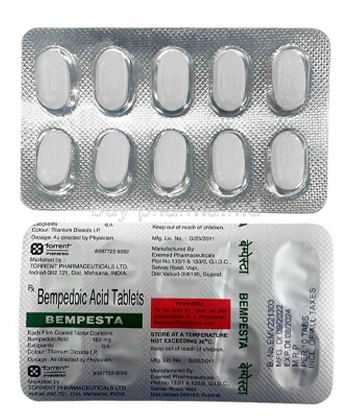
Bempedoic Acid
- In our pharmacy, you can buy bempedoic acid without a prescription, with delivery options available throughout the United Kingdom. Discreet and anonymous packaging.
- Bempedoic acid is intended for the treatment of primary hypercholesterolaemia and mixed dyslipidaemia. The drug acts as an ATP citrate lyase (ACL) inhibitor, providing LDL-C lowering, particularly for those who are statin-intolerant or require additional LDL-C reduction.
- The usual dose of bempedoic acid is 180 mg taken orally once daily.
- The form of administration is a film-coated tablet.
- The effect of the medication usually begins within a few weeks; full effects may be reassessed in 4–12 weeks.
- The duration of action is typically 24 hours.
- It is advisable to avoid alcohol while taking this medication, as it may increase the risk of side effects.
- The most common side effect is increased uric acid levels (hyperuricaemia), along with possible muscle spasms and abdominal pain.
- Would you like to try bempedoic acid without a prescription?
Basic Bempedoic Acid Information
- INN (International Nonproprietary Name): Bempedoic acid
- Brand names available in United Kingdom: Nexletol, Nilemdo, Nustendi
- ATC Code: C10AX21
- Forms & dosages: Film-coated tablets 180 mg, 180 mg/10 mg
- Manufacturers in United Kingdom: Daiichi Sankyo Europe
- Registration status in United Kingdom: Approved
- OTC / Rx classification: Prescription only (Rx)
Everyday Use & Best Practices
Bempedoic acid is typically prescribed as a once-daily oral tablet, giving patients the flexibility to choose the time of day that suits them best. Medical professionals often recommend taking bempedoic acid in the morning. This approach helps establish a consistent routine, which is particularly beneficial for individuals trying to align medication with their daily schedules. Morning dosing can be crucial in preventing missed doses, ensuring optimal effectiveness of the medication.
Morning vs Evening Dosing
While there's room for flexibility, starting the day with bempedoic acid might help set a positive tone. Taking it in the morning allows patients to incorporate the medication into their morning habits, such as alongside breakfast or with their morning coffee. Setting a reminder or placing the medication visibly can further assist in maintaining adherence. A consistent daily routine increases reliability in the treatment plan and contributes to better overall health outcomes.
Taking With or Without Meals (UK Diet Habits)
One of the advantages of bempedoic acid is that it can be taken with or without food. This flexibility can be very accommodating for those in the UK, where dietary habits can vary widely. Whether it's a hearty breakfast or a quick snack, patients can feel at ease knowing they have the option to take their medication as part of their meals or independently. This adaptability is helpful when determining the best time to integrate bempedoic acid into one’s daily regime.
Here are some tips for managing bempedoic acid with meals:
- Take the medication at the same time every day.
- If taking with food, try to choose the same meal each day.
- Monitor for any changes in dietary patterns that might affect the medication’s effectiveness.
For many patients, easing into the routine of taking bempedoic acid can alleviate some concerns regarding adherence. It's essential to educate patients about the importance of consistent timing, which can facilitate better compliance and ultimately lead to improved cholesterol management. As they navigate their treatment journey, caregivers should encourage open conversations about preferences for taking their medication, addressing any potential barriers and supporting individual lifestyle choices.
Overall, incorporating bempedoic acid into daily routines can be straightforward with the right approach. Establishing a morning regimen and considering meal timings can enhance adherence and effectiveness, laying the foundation for successful cholesterol management.
User Testimonials
Positive Reports from UK Patients
User testimonials on platforms like Patient.info reflect a growing satisfaction with bempedoic acid among UK patients. Many individuals have reported significant success in lowering their LDL cholesterol levels, feeling that this medication has helped them reach their health goals effectively. Unlike traditional statins, which often come with a list of potential side effects, users of bempedoic acid have experienced fewer adverse reactions, leading to improved adherence to their medication regimen.
Several testimonials shared detailed accounts of their experiences, with many users stating:
- "After starting bempedoic acid, I saw my cholesterol drop in just a few weeks."
- "I didn't face the same muscle pain that I experienced with statins."
- "This has been a game-changer for my health – I'm back to my active lifestyle."
The positive feedback highlights the potential of bempedoic acid as an effective alternative for those struggling to manage their cholesterol with traditional treatments.
Common Challenges
Yet, the journey with bempedoic acid is not without its hurdles. Patients often discuss the challenges they face on forums like Patient.info and NHS Forums. Common concerns include muscle pain, although generally reported to be less severe than with statins. Additionally, some patients have raised issues regarding dietary interactions leading to increased uric acid levels.
Strategies for managing these challenges often centre around:
- Timing the medication in relation to meals.
- Monitoring uric acid levels and adjusting diets accordingly.
- Maintaining open communication with healthcare providers for tailored advice.
This community-driven approach fosters a supportive environment where patients can share coping strategies and solutions, making the journey with bempedoic acid a shared experience.
Buying Guide
Pharmacy Sources
For those looking to buy bempedoic acid, several major pharmacy chains in the UK, such as Boots, LloydsPharmacy, and Superdrug, stock this medication. It's important to note that most pharmacies typically require a prescription. However, for convenience, it may also be possible to purchase bempedoic acid without a prescription, so checking with local pharmacies could save time and avoid delays in treatment.
Price Comparison
In terms of costs, for patients in England, bempedoic acid usually falls under the NHS prescription charge, which is around £9.35 per item. Comparatively, those residing in Scotland, Wales, and Northern Ireland benefit from free prescriptions, making it significantly more accessible.
Patients seeking to buy bempedoic acid privately might encounter different price points. It's crucial to evaluate all options:
- Consult local pharmacies for the most accurate pricing.
- Explore online pharmacies for potential deals.
Understanding these price variations can help patients make informed decisions regarding their treatment.
What’s Inside & How It Works
Ingredients Overview
Bempedoic acid, known for its cholesterol-lowering abilities, operates as an ATP citrate lyase (ACL) inhibitor. This function sets it apart from traditional statins, as it effectively lowers LDL cholesterol levels. Available in two formulations – a standard 180 mg tablet and a combination tablet with ezetimibe (10 mg) – it serves diverse needs within cholesterol management.
Mechanism Basics Explained Simply
The mechanism behind this innovative medication begins with its ability to inhibit ACL. This enzyme plays a pivotal role in cholesterol biosynthesis, and by blocking its action, bempedoic acid helps the liver curtail cholesterol production. As a result, patients may experience lower cholesterol levels, which can consequently reduce the risk of cardiovascular events. This straightforward approach to lowering cholesterol is especially beneficial for patients who are intolerant to statins, providing them with an alternative that truly addresses their health concerns.
Main Indications
Approved Uses (MHRA Listing)
Bempedoic acid is primarily indicated for the management of primary hypercholesterolemia and mixed dyslipidemia in adults. The MHRA acknowledges its effectiveness in conjunction with dietary changes and the maximum tolerated doses of statins. For those unable to use statins, bempedoic acid serves as a vital alternative, providing an essential means to control high cholesterol levels and reduce cardiovascular risk.
Off-Label Uses in UK Clinics
While bempedoic acid's primary applications are established, there are instances where healthcare professionals may opt for off-label uses tailored to individual patient requirements. Cases involving metabolic syndromes represent scenarios where bempedoic acid might be prescribed beyond its standard indications. These off-label applications should adhere to medical guidelines, ensuring patient safety and compliance.
Interaction Warnings
Food Interactions (Alcohol, Tea/Coffee)
Patients using bempedoic acid should be cautious about food interactions. Alcohol consumption is best limited, as it may intensify liver-related side effects. Furthermore, beverages high in caffeine may interfere slightly with the absorption of bempedoic acid. Consulting healthcare providers about the best strategies for timing meals and medications can aid in optimising treatment effectiveness and minimising complications.
Drug Conflicts (MHRA Yellow Card Reports)
The MHRA has highlighted potential drug interactions with bempedoic acid, particularly concerning other cholesterol-lowering medications, including statins and ezetimibe. It's crucial for patients to provide their healthcare providers with a thorough list of all medications taken to preemptively address any adverse effects or diminished medication efficacy. This approach helps maintain optimal treatment protocols and ensures patient safety.
Latest Evidence & Insights
Key UK & EU Studies 2022–2025
Recent studies across the UK and EU, set for publication between 2022 and 2025, are uncovering promising insights into the long-term safety and efficacy of bempedoic acid. These investigations focus on diverse cohort groups and aim to clarify its role in treating various patient populations. Additionally, researchers are examining optimal treatment durations to maximise results in cholesterol management, contributing valuable knowledge to clinical practice.
Alternative Choices
NHS Prescribing Alternatives with Pros/Cons Checklist
When deliberating alternatives for cholesterol management, healthcare professionals and patients should consider options such as statins, PCSK9 inhibitors, and ezetimibe. Each alternative presents its unique advantages and potential drawbacks:
- Statins: Widely prescribed, but some patients may experience side effects.
- PCSK9 Inhibitors: Highly effective in lowering LDL-C, but often expensive.
- Ezetimibe: Can be used alone or in combination with bempedoic acid for synergistic effects.
A checklist aids discussions between patients and healthcare providers, helping to select the most suitable approach based on individual lifestyles, preferences, and clinical profiles.
Delivery Information
| City | Region | Delivery Time |
|---|---|---|
| London | Greater London | 5–7 days |
| Birmingham | West Midlands | 5–7 days |
| Manchester | Greater Manchester | 5–7 days |
| Leeds | West Yorkshire | 5–7 days |
| Glasgow | Scotland | 5–7 days |
| Cardiff | Wales | 5–7 days |
| Bristol | South West | 5–7 days |
| Newcastle | Tyne and Wear | 5–7 days |
| Sheffield | South Yorkshire | 5–7 days |
| Nottingham | East Midlands | 5–7 days |
| Leicester | East Midlands | 5–9 days |
| Coventry | West Midlands | 5–9 days |
| Swansea | Wales | 5–9 days |
| Aberdeen | Scotland | 5–9 days |