Allevia
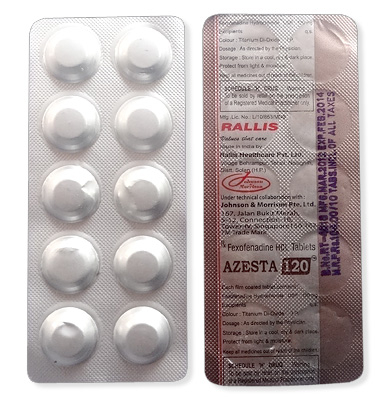
Allevia
- You can purchase Allevia without a prescription, available in our pharmacy with delivery throughout the United Kingdom. Discreet packaging is provided.
- Allevia is used for the treatment of allergic conditions, such as seasonal allergic rhinitis and chronic idiopathic urticaria. Its mechanism of action is as a histamine H1-receptor antagonist, which helps reduce allergy symptoms.
- The usual dosage for adults and children over 12 years is 60 mg twice daily or 120 mg once daily.
- The form of administration is a film-coated tablet, oral suspension, or oral disintegrating tablet.
- The onset time for Allevia is within 1 hour of administration.
- The duration of action is approximately 24 hours.
- It is advised to avoid alcohol while taking Allevia, as it may increase certain side effects.
- The most common side effect is headache.
- Would you like to try Allevia without a prescription?
Basic Allevia Information
- INN (International Nonproprietary Name): Fexofenadine
- Brand Names Available in United Kingdom: Allevia, Allegra
- ATC Code: R06AX26
- Forms & Dosages: Tablets (30, 120, 180 mg), Oral Disintegrating Tablets
- Manufacturers in United Kingdom: Sanofi-Aventis, various generics
- Registration Status in United Kingdom: Approved for OTC use
- OTC / Rx Classification: Over-the-counter
Everyday Use & Best Practices
When using Allevia, it's important to consider the timing and method of taking the medication to manage allergies effectively, particularly in the context of a typical UK lifestyle.
Morning vs Evening Dosing
For optimal symptom relief, the timing of Allevia can vary based on personal schedules and specific conditions. Generally, those suffering from hay fever may benefit more from taking the dosage in the morning. This aligns with peak pollen times, making it crucial for managing symptoms effectively.
However, night-time dosing may be more suitable for those whose symptoms flare in the evenings. It's always wise to consider individual needs and lifestyle to determine the best timing for taking Allevia.
Taking With or Without Meals
The absorption of Allevia can be influenced by food intake. Ideally, taking the medication on an empty stomach can improve its efficacy. UK dietary habits, which often include significant meals, suggest taking Allevia at least one hour before or two hours after a meal.
This practice not only enhances how well the active ingredient in Allevia (fexofenadine) works but also ensures that its effects are optimally felt when they are needed most.
Safety Priorities
While Allevia is a safe option for many, certain groups need to take precautions before starting the medication.
Who Should Avoid It
According to MHRA guidelines, individuals with severe kidney problems should avoid Allevia to prevent any complications. This group is at heightened risk due to the potential accumulation of the drug. Furthermore, if you are taking other medications, it’s advisable to consult a healthcare professional to discuss possible interactions that may exacerbate side effects.
Activities to Limit
Users should be cautious engaging in activities requiring full attention, such as driving or operating machinery, as drowsiness can occur. While Allevia is less sedating than first-generation antihistamines, some individuals may still experience fatigue or dizziness. It's crucial to assess how the medication affects you before participating in such activities.
Dosage & Adjustments
Dosage plays a vital role in the safe and effective use of Allevia for managing specific conditions.
General Regimen
Based on NHS guidance, standard doses for adults typically involve either a 60 mg regimen twice daily or a higher strength of 120 mg once daily for allergic rhinitis and chronic urticaria. For children aged between 6 and 11 years, the recommended dosage is usually 30 mg twice daily.
Available forms, such as tablets and oral disintegrating tablets, provide flexibility for various patient preferences.
Special Cases
For elderly patients or those with comorbid health conditions, dosages may require adjustment. It's essential to consult with a healthcare professional to tailor the dosage to individual health needs, ensuring safe usage without adverse effects. The lowest effective dose is generally recommended for those with kidney impairment.
User Testimonials
Feedback from UK patients reveals a broad spectrum of experiences with Allevia.
Positive Reports From UK Patients
<pMany users have shared success stories in forums such as Patient.info, indicating high satisfaction with Allevia for managing hay fever and allergies. An overall satisfaction rate highlights the effectiveness of Allevia in reducing allergy symptoms.Common Challenges
<pDespite its advantages, some concerns consistently pop up regarding side effects such as drowsiness and financial considerations concerning the price of Allevia. Customers often seek clarity on onset times and effectiveness, illustrating the importance of managing expectations before starting the treatment.Buying Guide
Finding Allevia is straightforward, given its availability across various platforms in the UK.
Pharmacy Sources
Major pharmacy chains including Boots, LloydsPharmacy, and Superdrug stock Allevia, offering both local and online purchasing options. This ensures that patients can conveniently obtain their medication when needed.
Price Comparison
The costs for Allevia vary between NHS prescription charges and over-the-counter prices. Those seeking the best deals may wish to explore both avenues. While purchasing over-the-counter can incur slightly higher costs, benefits such as immediate access might make it worthwhile for many customers.
What’s Inside & How It Works
People often wonder about what lies within the 180mg Allevia tablets and why they work so effectively. One primary ingredient is Fexofenadine hydrochloride, the active ingredient responsible for alleviating allergy symptoms. Allevia’s formulation is produced by trusted manufacturers such as Sanofi-Aventis and various generics, ensuring quality and reliability.
Ingredients overview
The key components include:
- Fexofenadine hydrochloride: A non-sedating antihistamine that blocks the action of histamine, reducing allergy symptoms.
- Excipients: These inactive ingredients ensure the tablet remains effective and stable during storage.
Both Sanofi-Aventis and several generic brands, like Cipla and Mylan, offer different forms of Allevia in various strengths. These options cater to individuals seeking relief from allergies like hay fever or chronic hives.
Mechanism basics explained simply
Fexofenadine operates by blocking histamine receptors in the body. When hay fever sufferers come into contact with allergens, their bodies produce histamine, leading to symptoms such as sneezing, itching, and runny nose. By inhibiting this natural response, Allevia helps people enjoy everyday activities without the bothersome effects of allergies.
Main Indications
Allevia boasts a range of approved uses, backed by health authorities like the MHRA. These official indications are critical for guiding safe and effective use of the medication.
Approved uses (MHRA listing)
Commonly recognised conditions for treatment include:
- Seasonal allergic rhinitis (hay fever): Relief from sneezing, runny nose, and itchy eyes.
- Chronic idiopathic urticaria (hives): Alleviation of itching and welts on the skin.
Adhering to these recognised protocols ensures optimal outcomes and safety for users.
Off-label uses in UK clinics
Beyond its approved uses, Allevia is frequently employed for off-label conditions. Chronic itch, often caused by skin issues or other underlying conditions, is a common example where Fexofenadine may provide relief. With evidence suggesting its efficacy in such instances, healthcare professionals may consider Allevia a viable option for patients struggling with persistent itching.
Interaction Warnings
As effective as Allevia can be, it’s essential to be aware of potential interactions that may diminish its effects or lead to adverse reactions.
Food interactions (alcohol, tea/coffee)
Certain beverages can affect how well Allevia works. Alcohol, as well as caffeinated drinks like tea and coffee, should be used cautiously. Specifically, grapefruit juice can significantly reduce the absorption of Fexofenadine. For the best results, it’s advisable to avoid these drinks when taking Allevia.
Drug conflicts (MHRA Yellow Card reports)
Numerous medications may interact adversely with Fexofenadine. Antacids containing aluminium or magnesium can reduce its effectiveness if taken simultaneously. Patients should disclose their full medical history and any other medications to healthcare providers for the safest use of Allevia.
Latest Evidence & Insights
Ongoing research continues to solidify understanding of Fexofenadine’s effectiveness in allergy management. Recent studies in the UK and EU, spanning 2022 to 2025, affirm the drug's reliability for alleviating allergy symptoms. Findings reveal favourable outcomes across diverse population groups, reinforcing the importance of Fexofenadine as a first-line treatment option. Such insights promote confidence in prescribing Allevia for managing allergies.
Alternative Choices
While Allevia is a key player in allergy treatment, there are other antihistamines available on the NHS that may cater to different needs.
NHS prescribing alternatives with pros/cons checklist
Key alternatives include:
- Cetirizine: Effective for allergy relief but may cause drowsiness in some users.
- Loratadine: Non-sedating and effective but may not work as rapidly for every individual.
- Desloratadine: A step up from Loratadine, offering prolonged effects.
A checklist of benefits and downsides is instrumental for patients considering their options:
- Cetirizine: + Speedy relief - possible drowsiness.
- Loratadine: + Non-sedating - slower action.
- Desloratadine: + Long-lasting - potentially higher cost.
Understanding these alternatives allows users to select the antihistamine that best suits their individual needs and lifestyle while effectively managing their allergy symptoms.
Regulation Snapshot
The regulatory journey of Allevia (fexofenadine) through the MHRA (Medicines and Healthcare products Regulatory Agency) in the UK has been pivotal for its recognition as a safe and effective antihistamine. Initially evaluated for quality, safety, and efficacy, Allevia gained MHRA approval, allowing its use for treating allergic conditions, especially hay fever and hives. This approval was instrumental, as it opened the door for the medication to be included in the NHS prescribing framework, enabling healthcare professionals to recommend and prescribe it more widely. As a registered medicine within the NHS, Allevia aligns with the established guidelines for allergy treatments, making it accessible for patients suffering from allergic reactions. The fitting of Allevia into NHS practices is crucial, as it supports patient needs effectively while ensuring adherence to safety standards and therapeutic guidelines. Patients can trust that Allevia is included within NHS-supported allergy treatment plans, benefitting from its efficiency and reliability.
FAQ Section
Many patients in the UK have pressing questions about Allevia and its use. Here are several common queries:
- Can you drink alcohol with Allevia? It is advisable to avoid alcohol while taking Allevia as it may enhance the sedative effects of the medication.
- How often can I take Allevia? Patients can typically take Allevia 120 mg once daily or 60 mg twice daily, depending on their specific needs and the doctor's advice.
- Can I take more than one Allevia a day? Overdosing on Allevia (exceeding the recommended dose) can lead to side effects like dizziness and dry mouth. It’s important to stick to directed dosages.
- Is Allevia safe for children? Yes, Allevia can be safely administered to children over the age of 2, though revised dosages apply depending on age and the doctor's recommendations.
Each of these questions highlights concerns patients may have about the safety and proper use of this antihistamine. Seeking advice from healthcare professionals can provide tailored guidance.
Guidelines for Proper Use
Pharmacists play a vital role in patient education regarding proper use of Allevia. Upon dispensing, patients are often advised about:
- Correct dosing: usually 60 mg twice a day or 120 mg once daily.
- Potential side effects: including headache, dizziness, and dry mouth.
- Interactions with food or other medications: particularly the avoidance of fruit juices that may impact absorption.
Patients should engage actively during pharmacy consultations. They are encouraged to ask questions about their therapy and any concerns regarding their allergies or potential side effects. Resources provided by the NHS support patients navigating their allergy treatment plans. It's vital to connect with local healthcare services for ongoing support.
| City | Region | Delivery time |
|---|---|---|
| London | Greater London | 5–7 days |
| Birmingham | West Midlands | 5–7 days |
| Manchester | North West | 5–7 days |
| Glasgow | Scotland | 5–7 days |
| Leeds | West Yorkshire | 5–7 days |
| Liverpool | Merseyside | 5–7 days |
| Bristol | South West | 5–7 days |
| Sheffield | South Yorkshire | 5–9 days |
| Newcastle | Tyne and Wear | 5–9 days |
| Nottingham | East Midlands | 5–9 days |
| Stoke-on-Trent | West Midlands | 5–9 days |
| Wolverhampton | West Midlands | 5–9 days |