Urinary tract infections are amongst the most common bacterial infections affecting millions of people across the UK each year. UTIs occur when bacteria, typically E. coli, enter the urinary system through the urethra and multiply in the bladder. Women are particularly susceptible due to their shorter urethra, with sexual activity, pregnancy, and menopause being significant risk factors. Common symptoms include a burning sensation during urination, frequent urges to urinate, cloudy or strong-smelling urine, and pelvic pain in women.
The NHS provides comprehensive treatment options for UTIs, with most cases requiring antibiotic therapy prescribed by a GP or through NHS 111 services. Treatment typically involves a short course of antibiotics, ranging from single-dose treatments to seven-day courses depending on the severity and type of infection. Pain relief medications such as paracetamol or ibuprofen can help manage discomfort whilst the antibiotics work to clear the infection.
UK healthcare providers commonly prescribe several first-line antibiotics for UTI treatment. Trimethoprim is often the first choice for uncomplicated infections, typically taken twice daily for three days. Nitrofurantoin is particularly effective for lower urinary tract infections and is safe during pregnancy. Fosfomycin sachets offer the convenience of single-dose treatment and are especially useful for patients who may have difficulty with longer courses of medication.
Whilst antibiotics remain the primary treatment for active UTIs, several over-the-counter options can provide supportive care and may help prevent future infections. Cranberry supplements contain proanthocyanidins that may prevent bacteria from adhering to the urinary tract walls. D-mannose, a natural sugar, works similarly by binding to E. coli bacteria. Alkalising agents like sodium citrate can help reduce the burning sensation during urination and create a less favourable environment for bacterial growth.
It's crucial to seek medical attention if you experience severe symptoms, including high fever, back pain, nausea, or vomiting, as these may indicate a kidney infection. Pregnant women, men, children, and individuals with diabetes or compromised immune systems should always consult a healthcare provider for UTI symptoms. In the UK, antibiotics for UTIs require a prescription, though some pharmacies now offer treatment services for uncomplicated UTIs in women aged 16-64 under the NHS Pharmacy First scheme.
Preventing UTIs involves adopting several hygiene and lifestyle practices that can significantly reduce infection risk:
Recurrent UTIs, defined as two or more infections within six months or three within a year, affect approximately 20-30% of women who have had a UTI. For these patients, healthcare providers may recommend low-dose prophylactic antibiotics, post-coital antibiotics, or self-treatment programmes. Long-term prevention strategies may include oestrogen therapy for post-menopausal women and continuous monitoring to identify and address underlying risk factors.
Cystitis, inflammation of the bladder, can present as either acute or chronic conditions requiring different management approaches. Acute cystitis typically develops suddenly with intense symptoms including painful urination, frequent urination, and urgent need to urinate. Chronic cystitis involves long-term bladder inflammation that may have periods of remission and flare-ups. Treatment approaches vary significantly, with acute cases often responding well to antibiotic therapy, whilst chronic conditions may require more comprehensive management strategies including lifestyle modifications and long-term medications.
Interstitial cystitis (IC), also known as painful bladder syndrome, is a chronic condition causing bladder pressure, bladder pain, and sometimes pelvic pain. Unlike bacterial cystitis, IC doesn't respond to antibiotics and requires specialised long-term management. Treatment focuses on symptom control through a combination of dietary modifications, bladder training, medications, and sometimes surgical interventions. Patients often work with urologists to develop personalised treatment plans that may include oral medications, bladder instillations, and physical therapy.
For bacterial cystitis, UK healthcare providers typically prescribe targeted antibiotics based on urine culture results when available. Common choices include trimethoprim, nitrofurantoin, and in some cases, fluoroquinolones for resistant infections. Anti-inflammatory treatments such as ibuprofen can help reduce bladder inflammation and associated pain. For interstitial cystitis, specialised medications like pentosan polysulphate sodium may be prescribed to help restore the bladder's protective lining.
Alkalising agents play a crucial role in cystitis management by reducing urine acidity and alleviating the burning sensation during urination. Sodium citrate sachets, available over-the-counter in UK pharmacies, provide quick relief by neutralising acidic urine. Potassium citrate preparations work similarly but are typically prescribed for longer-term use and may be particularly beneficial for patients with recurrent cystitis or those prone to kidney stones.
Bladder training involves gradually increasing the time between urination to improve bladder capacity and reduce urgency. This technique is particularly valuable for patients with chronic cystitis or overactive bladder symptoms. Dietary modifications can significantly impact bladder health, with many patients finding relief by avoiding bladder irritants such as caffeine, alcohol, spicy foods, artificial sweeteners, and acidic fruits. Keeping a bladder diary can help identify personal triggers and track improvement over time.
Several home remedies and complementary therapies can support conventional cystitis treatment. Heat therapy using hot water bottles or warm baths may help alleviate pelvic pain and discomfort. Probiotics, particularly lactobacillus strains, may help maintain healthy urogenital flora and prevent recurrent infections. Herbal remedies such as uva ursi and buchu have traditional use in supporting urinary tract health, though patients should consult healthcare providers before combining these with conventional treatments.
Hormonal changes throughout a woman's life significantly impact bladder health and cystitis risk. Oestrogen deficiency during menopause can lead to changes in the urogenital tissue, making women more susceptible to recurrent UTIs and cystitis. Hormone replacement therapy (HRT) or topical oestrogen treatments may help restore the natural protective mechanisms of the urinary tract. Pregnancy also increases cystitis risk due to hormonal changes and physical pressure on the bladder, requiring careful monitoring and specialised treatment approaches that are safe for both mother and baby.
Kidney stones are hard deposits formed from minerals and salts that crystallise in the kidneys. Understanding their formation and implementing prevention strategies is crucial for maintaining optimal kidney health. In the UK, kidney stones affect approximately 10-15% of the population, making prevention and proper management essential.
Kidney stones develop when urine becomes concentrated, allowing minerals to crystallise and stick together. The most common types include calcium oxalate stones (80% of cases), calcium phosphate stones, uric acid stones, and struvite stones. Risk factors include dehydration, certain dietary habits, obesity, digestive diseases, and genetic predisposition.
Effective prevention centres on proper hydration—drinking at least 2-3 litres of water daily helps dilute urine and prevent crystal formation. Dietary modifications play a crucial role, including reducing sodium intake, limiting animal protein, and moderating oxalate-rich foods such as spinach, nuts, and chocolate.
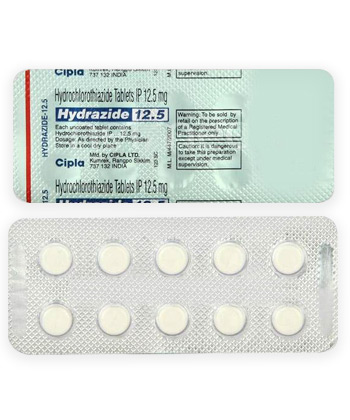
Treatment approaches vary depending on stone type and size. For prevention and management, several medications are available through UK pharmacies and healthcare providers. Potassium citrate helps alkalinise urine and prevent calcium stone formation. Allopurinol reduces uric acid production for those with uric acid stones. Thiazide diuretics may be prescribed to reduce calcium excretion in recurrent stone formers.
Pain management during stone episodes typically involves NSAIDs such as diclofenac or ibuprofen, available over-the-counter or on prescription. Stone dissolution therapy may be considered for certain types of stones under medical supervision.
Seek immediate medical attention if experiencing severe pain that prevents sitting still, blood in urine, fever and chills accompanying pain, nausea and vomiting, or difficulty urinating. These symptoms may indicate complications requiring urgent treatment.
Urinary incontinence affects millions of people across the UK, with various treatment options available to improve quality of life. Understanding the different types of incontinence and available management strategies helps individuals choose appropriate treatments.
Stress incontinence occurs when physical pressure on the bladder causes leakage during activities like coughing, sneezing, or exercise. Urge incontinence involves sudden, intense urges to urinate followed by involuntary leakage. Overflow incontinence results from incomplete bladder emptying, whilst mixed incontinence combines features of both stress and urge types.
Several medication categories are available through NHS prescriptions and private healthcare. Anticholinergic medications help reduce bladder muscle contractions and include oxybutynin, tolterodine, and solifenacin. These medicines are particularly effective for urge incontinence and overactive bladder symptoms.
Beta-3 agonists, such as mirabegron, represent a newer class of medications that relax bladder muscles through a different mechanism, often suitable for patients who cannot tolerate anticholinergics.
Pelvic floor exercises, commonly known as Kegel exercises, strengthen the muscles supporting the bladder and can significantly improve symptoms. Bladder training techniques help extend the time between toilet visits and increase bladder capacity.
Dietary adjustments can significantly impact bladder function. Limiting caffeine, alcohol, and acidic foods may reduce bladder irritation. Maintaining a healthy weight reduces pressure on pelvic floor muscles, whilst ensuring adequate but not excessive fluid intake helps maintain proper bladder function.
Various absorbent products and protective wear options are available through pharmacies and healthcare suppliers across the UK. These include disposable and reusable incontinence pads, protective underwear, and specialised bedding protection. Many products are available on NHS prescription for eligible patients, whilst others can be purchased privately to suit individual needs and preferences.
Benign prostatic hyperplasia is a common condition affecting men over 50, characterising the non-cancerous enlargement of the prostate gland. Symptoms include difficulty starting urination, weak urine stream, frequent urination particularly at night, and the feeling of incomplete bladder emptying. Early recognition and proper treatment can significantly improve quality of life and prevent complications such as urinary retention or kidney problems.
The NHS offers various pharmaceutical treatments for BPH, with alpha-blockers being the first-line therapy for symptom relief. These medications work by relaxing the smooth muscle in the prostate and bladder neck, improving urine flow. 5-alpha reductase inhibitors represent another treatment class, working by reducing prostate size through hormonal pathways, though they require several months to show full effectiveness.
Several proven medications are readily available through UK pharmacies for BPH management:
For men with larger prostates and bothersome symptoms, combination therapy using both an alpha-blocker and a 5-alpha reductase inhibitor may provide superior results. This approach offers immediate symptom relief from the alpha-blocker whilst the 5-alpha reductase inhibitor works to reduce prostate size long-term, potentially reducing the risk of disease progression and the need for surgical intervention.
Many men seek natural alternatives or complementary treatments for prostate health. Saw palmetto extract has been extensively studied for BPH symptoms, whilst beta-sitosterol may help improve urinary flow rates. Pumpkin seed extract contains compounds that may support prostate function. Whilst these supplements are widely available in UK pharmacies, it's important to discuss their use with a healthcare provider, particularly if taking prescription medications.
Simple lifestyle modifications can significantly impact prostate health and urinary symptoms. These include limiting fluid intake before bedtime, reducing caffeine and alcohol consumption, maintaining a healthy weight, regular exercise, and practising double voiding techniques. Pelvic floor exercises may also help strengthen the muscles involved in urination and improve bladder control.
Surgical options may be considered when medications prove insufficient or when complications arise. These situations include recurrent urinary retention, recurrent urinary tract infections, bladder stones, or kidney damage. Modern surgical techniques available through the NHS include transurethral resection of the prostate (TURP), laser therapies, and minimally invasive procedures, each offering different benefits depending on individual circumstances.
Maintaining optimal urinary health requires consistent daily habits that support proper kidney function and bladder health. Regular urination schedules, proper hygiene practices, and avoiding holding urine for extended periods are fundamental strategies. Additionally, wearing breathable cotton underwear and maintaining good personal hygiene help prevent bacterial growth that could lead to infections.
Proper hydration is crucial for urinary tract health, helping to flush bacteria and toxins from the system. The NHS recommends approximately 6-8 glasses of fluid daily, though individual needs may vary based on activity level, climate, and overall health. Water remains the best choice, though herbal teas and diluted fruit juices can contribute to daily fluid intake. However, excessive fluid consumption should be avoided as it may strain the kidneys.
Several evidence-based supplements available in UK pharmacies can support urinary tract health. D-mannose may help prevent certain types of urinary tract infections by preventing bacterial adhesion to the urinary tract walls. Cranberry supplements, standardised for proanthocyanidin content, have shown promise in UTI prevention, particularly for women with recurrent infections.
Probiotic supplements containing specific strains such as Lactobacillus rhamnosus and Lactobacillus reuteri can help maintain healthy bacterial balance in the urogenital tract. These beneficial bacteria may help prevent harmful bacterial overgrowth and support natural defence mechanisms. For women, probiotics can be particularly beneficial in maintaining vaginal pH balance and preventing recurrent urinary tract infections.
Essential vitamins and minerals play important roles in urinary tract health:
Traditional herbal remedies have long been used to support urinary health, with many now available as standardised preparations in UK pharmacies. Bearberry (uva ursi) contains compounds that may have antimicrobial properties when concentrated in the urine. Juniper berries have traditionally been used as a diuretic, whilst corn silk preparations may help soothe the urinary tract. These herbal remedies should be used under professional guidance, particularly in combination with other medications.
Urinary health needs evolve with age, requiring adapted strategies for different life stages. Older adults may experience decreased bladder capacity, weakened pelvic floor muscles, and increased infection risk due to immune system changes. Regular health screenings, including urinalysis and kidney function tests, become increasingly important. Preventive measures such as pelvic floor exercises, maintaining healthy weight, and managing chronic conditions like diabetes can help preserve urinary function throughout the ageing process.