Nicotine is a highly addictive substance that rapidly reaches the brain within seconds of smoking, triggering the release of dopamine and creating feelings of pleasure and relaxation. Over time, your brain becomes dependent on these regular nicotine hits, making it extremely challenging to quit without support.
When you stop smoking, withdrawal symptoms can begin within hours and may include irritability, anxiety, difficulty concentrating, increased appetite, sleep disturbances, and intense cravings. These symptoms occur because your brain is adjusting to functioning without nicotine's chemical influence.
Many people underestimate the power of nicotine addiction and attempt to quit through willpower alone. However, research shows that only 3-5% of people successfully quit smoking without any form of assistance. The addiction involves both physical dependency and ingrained psychological habits, making professional support and stop smoking aids invaluable tools for success.
Seeking help from healthcare professionals, using proven nicotine replacement therapies, and accessing support services significantly increases your chances of quitting permanently whilst managing withdrawal symptoms more comfortably.
Nicotine patches provide a steady, controlled release of nicotine through your skin over 16 or 24 hours. Available in different strengths (typically 7mg, 14mg, and 21mg), patches should be applied to clean, dry, hairless skin and rotated to different areas daily to prevent irritation.
Nicotine gum requires proper technique for maximum effectiveness. Chew slowly until you taste nicotine or feel a tingling sensation, then park the gum between your cheek and gums. Available in 2mg and 4mg strengths, with flavours including original, mint, and fruit varieties.
All NRT products are available without prescription at UK pharmacies, and many are provided free through NHS stop smoking services.
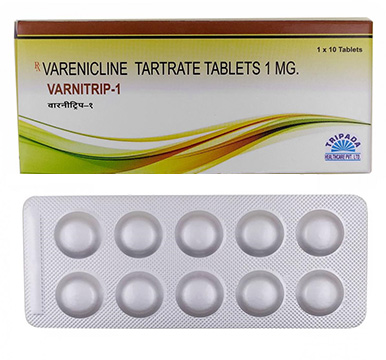
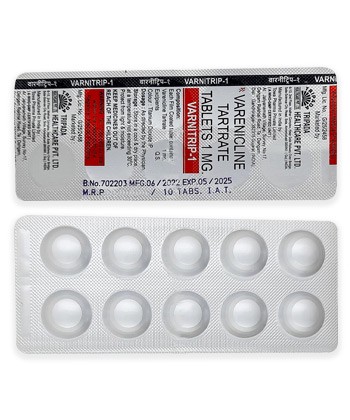
Varenicline works by binding to nicotine receptors in the brain, reducing both nicotine cravings and the rewarding effects of smoking. The standard dosage begins with 0.5mg once daily for three days, increasing to 0.5mg twice daily for four days, then 1mg twice daily for the remainder of treatment. Clinical trials demonstrate effectiveness rates of approximately 44% for complete smoking cessation at 12 weeks, significantly higher than placebo treatments.
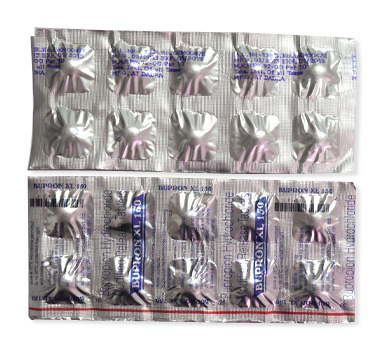
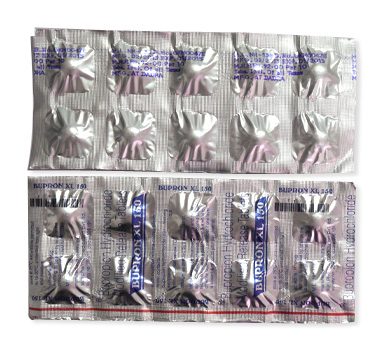
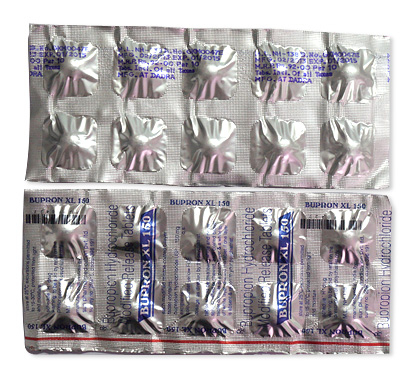
Originally developed as an antidepressant, bupropion helps reduce nicotine withdrawal symptoms and cravings. The typical dosage is 150mg once daily for six days, then 150mg twice daily. Important contraindications include eating disorders, seizure history, and severe liver cirrhosis. Common side effects may include dry mouth, insomnia, and dizziness.
These medications are available through NHS stop smoking services or private healthcare consultations. Your GP or specialist smoking cessation adviser will assess your suitability for prescription treatments. Regular monitoring appointments are essential to track progress, manage any side effects, and adjust treatment plans accordingly. Most programmes include follow-up consultations at 2, 4, 8, and 12 weeks.
Multiple NRT products can be used together effectively, such as combining nicotine patches for steady background support with faster-acting products like gum or lozenges for breakthrough cravings. Prescription medications can also be combined with behavioural support programmes to maximise success rates.
The NHS typically offers 12-week structured programmes that include:
Treatment plans can follow either gradual reduction or immediate cessation methods. Your healthcare provider will consider factors including smoking frequency, previous quit attempts, medical history, and personal preferences. Heavy smokers may benefit from combination NRT, whilst those with mental health conditions might require specialised support alongside standard treatments.
E-cigarettes are regulated as consumer products in the UK and are considered significantly less harmful than traditional cigarettes. The MHRA has approved some e-cigarettes as medicines for smoking cessation. When choosing vaping products, look for TPD-compliant devices and e-liquids that meet UK safety standards. Consult your pharmacist about the most suitable nicotine strength and device type for your cessation journey.
UK pharmacies stock various herbal supplements and natural remedies that may support your quit attempt, including valerian root and St. John's wort. Always discuss these with your pharmacist to avoid interactions with other medications. Behavioural support programmes through the NHS and private counselling services offer structured approaches to quitting. Digital tools such as the NHS Smokefree app and Quit Genius provide 24/7 support, tracking features, and personalised guidance. Alternative therapies like hypnotherapy and acupuncture, whilst having mixed scientific evidence, are popular complementary options that some people find helpful alongside conventional treatments.
Withdrawal symptoms typically peak within the first 72 hours and can include irritability, anxiety, difficulty concentrating, and intense cravings. Most physical symptoms subside within 2-4 weeks, though psychological cravings may persist longer. Understanding this timeline helps set realistic expectations and reinforces that these feelings are temporary and manageable.
Successful coping involves identifying and managing triggers that prompt smoking urges. Common strategies include:
Weight gain of 2-5kg is common but manageable through healthy eating and increased physical activity. Focus on building new, positive habits to replace smoking rituals. If slip-ups occur, don't view them as failures—learn from triggers and adjust your strategy. UK support networks include NHS Stop Smoking Services, Quitline (0300 123 1044), online communities, and local support groups available through many pharmacies and health centres.