Sleep problems affect millions of UK adults, with studies showing that one in three people regularly experience poor sleep quality. The demanding pace of modern life, work pressures, and digital device usage contribute significantly to sleep disruption across Britain.
Acute insomnia typically lasts a few days to weeks, often triggered by stress, travel, or significant life changes. Chronic insomnia persists for three months or longer, occurring at least three nights per week, and may require professional medical evaluation.
Over-the-counter sleeping aids can be helpful for occasional sleeplessness caused by temporary stress, shift work, or minor lifestyle disruptions. They're particularly useful during periods of anxiety, bereavement, or when adjusting to new routines.
Consider sleep support if you experience:
However, persistent sleep problems lasting over four weeks may indicate underlying medical conditions requiring GP consultation rather than self-medication.
Antihistamine-based sleeping tablets represent the most common over-the-counter sleep aids available in UK pharmacies. These medications originally developed for allergies have sedating properties that make them effective for occasional sleep difficulties.
Diphenhydramine and promethazine are the primary active ingredients in UK sleeping aids. These antihistamines cross the blood-brain barrier and block histamine receptors, which naturally promote wakefulness. By inhibiting these receptors, they induce drowsiness and help initiate sleep.
Most products recommend taking one tablet 20-30 minutes before bedtime. Diphenhydramine products typically contain 25-50mg per dose, whilst promethazine products usually contain 20-25mg. Always follow package instructions and never exceed recommended dosages.
Leading options include:
Treatment duration should typically not exceed two weeks without consulting a pharmacist or GP, as prolonged use may lead to tolerance and reduced effectiveness.
Natural sleep remedies offer a gentle approach to improving sleep quality without the dependency risks associated with stronger medications. These plant-based solutions have been used for centuries and continue to provide effective support for those seeking restful nights.
Valerian root remains one of the most researched natural sleep aids, with clinical studies supporting its effectiveness in reducing sleep onset time. Available in capsules, tablets, and liquid extracts, valerian works by increasing GABA levels in the brain. Passionflower and chamomile preparations complement valerian beautifully, offering mild sedative properties that help calm anxiety and promote relaxation before bedtime.
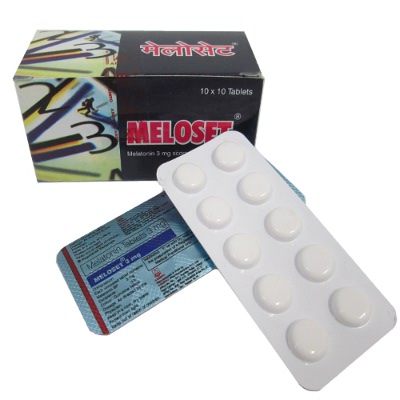
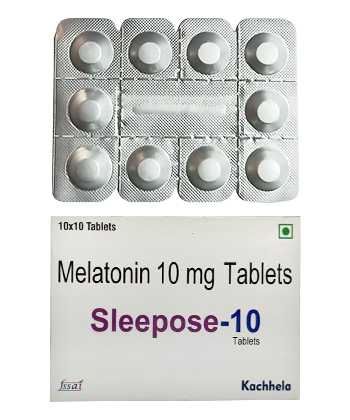
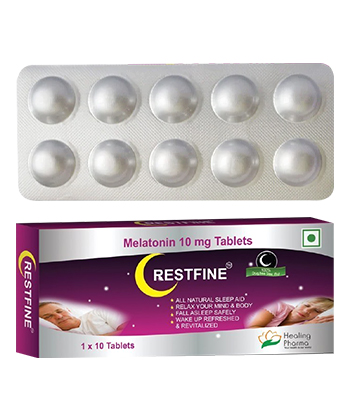
In the UK, melatonin is available as a prescription medicine for those over 55, though lower-dose supplements may be found in health stores. Magnesium supplements provide excellent sleep support by regulating neurotransmitters and muscle relaxation, making them particularly beneficial for those experiencing restless legs or muscle tension.
Lavender-based products, including capsules and aromatherapy oils, offer proven sleep-promoting benefits. Popular combination formulas like Kalms and Natures Aid Sleep blend traditional herbs with modern standardisation, providing consistent potency whilst maintaining the gentle effectiveness of traditional remedies.
Creating the optimal sleep environment is crucial for achieving restorative rest. Non-medicinal sleep aids focus on addressing external factors that may disrupt sleep, offering practical solutions that complement any sleep routine.
Eye masks and blackout accessories help create the darkness necessary for natural melatonin production. Modern sleep masks feature contoured designs that block light completely whilst remaining comfortable throughout the night. Sound management solutions include:
Essential oils specifically blended for sleep, including lavender, bergamot, and ylang-ylang, can be used in pillow sprays and room diffusers to create a calming atmosphere. Cooling gel sleep masks provide additional comfort by reducing puffiness and creating a spa-like experience. Sleep positioning aids, including ergonomic pillows and body supports, help maintain proper spinal alignment and reduce discomfort that might otherwise cause nighttime awakening.
When using sleeping aids, it's crucial to understand important safety considerations to ensure your wellbeing. Most sleep medications have age restrictions, typically not recommended for children under 16, and may be contraindicated for individuals with certain medical conditions such as severe liver disease, breathing disorders, or myasthenia gravis.
Sleep aids can interact with various common medications, including blood thinners, antidepressants, and blood pressure medications. Always inform your pharmacist of all medications you're taking. Common side effects include morning drowsiness, dry mouth, and confusion, particularly in elderly patients.
Pregnant and breastfeeding women should avoid most sleeping aids unless specifically advised by their GP. If you experience persistent sleep problems, unusual side effects, or find yourself needing sleep aids regularly for more than a few weeks, consult your GP or pharmacist for guidance on appropriate treatment options.
Selecting the appropriate sleep aid depends on your specific sleep difficulties. For occasional sleeplessness due to stress or travel, short-acting antihistamines may suffice. Persistent insomnia requires a more comprehensive approach, often combining short-term medication with lifestyle modifications.
Creating an optimal sleep environment is fundamental to good rest. Keep your bedroom cool, dark, and quiet, with comfortable bedding. Establish a consistent bedtime routine and avoid screens for at least an hour before sleep.
Consider Cognitive Behavioural Therapy for Insomnia (CBT-I), available through the NHS, which addresses underlying thought patterns affecting sleep. When discontinuing sleep aids, implement gradual reduction strategies under professional guidance. Consult your GP if sleep problems persist beyond two weeks or significantly impact your daily functioning.