Muscle relaxants are a group of medications specifically designed to reduce muscle tension, stiffness, and spasms throughout the body. These therapeutic agents work by targeting the central nervous system or directly affecting muscle fibres to interrupt the pain-spasm cycle that often occurs with musculoskeletal conditions.
The mechanism of action varies depending on the type of muscle relaxant. Most centrally acting muscle relaxants work by depressing the central nervous system, reducing nerve signals that cause muscle contractions. This helps alleviate painful muscle spasms and allows for improved mobility and comfort.
There are two primary categories: skeletal muscle relaxants, which target voluntary muscles used for movement, and smooth muscle relaxants, which affect involuntary muscles in organs and blood vessels. Skeletal muscle relaxants are more commonly prescribed in clinical practice.
Healthcare professionals typically prescribe muscle relaxants for conditions such as back pain, neck pain, fibromyalgia, multiple sclerosis, cerebral palsy, and acute muscle injuries. They're often used alongside physiotherapy, rest, and other pain management strategies to provide comprehensive treatment for musculoskeletal disorders.
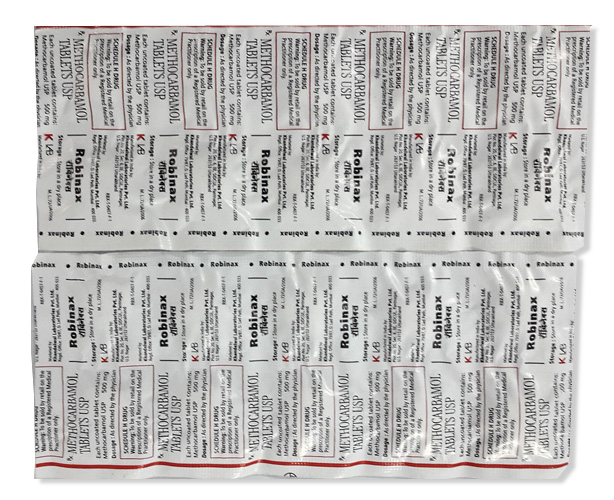
The most commonly prescribed muscle relaxants in the UK work through the central nervous system. Baclofen is frequently used for spasticity associated with multiple sclerosis and spinal cord injuries. Tizanidine offers effective relief for muscle spasticity with potentially fewer side effects, whilst methocarbamol provides short-term relief for acute musculoskeletal conditions.
Dantrolene works directly on muscle fibres rather than through the nervous system, making it particularly useful for certain neurological conditions and malignant hyperthermia prevention.
Diazepam and lorazepam, whilst primarily anxiolytics, possess muscle relaxant properties and are sometimes prescribed for acute muscle spasms, particularly when anxiety accompanies the physical symptoms.
All prescription muscle relaxants require proper medical supervision and are available through registered UK pharmacies with valid prescriptions.
Muscle relaxants are prescribed for a wide range of medical conditions that involve muscle tension, spasms, or spasticity. These medications provide significant relief for patients experiencing various neurological and musculoskeletal disorders.
Multiple sclerosis patients often experience muscle spasticity, which can be effectively managed with muscle relaxants such as baclofen or tizanidine. Similarly, individuals with cerebral palsy benefit from these medications to reduce muscle stiffness and improve mobility. These conditions require ongoing medical supervision to optimise treatment outcomes.
Acute back pain and muscle strains respond well to short-term muscle relaxant therapy, particularly when combined with rest and physiotherapy. Sports injuries involving muscle spasms can be treated effectively, supporting faster rehabilitation and return to activity.
Fibromyalgia sufferers may find relief from muscle relaxants as part of a comprehensive pain management strategy. Post-surgical muscle tension, often resulting from anaesthesia or positioning during procedures, can be alleviated with appropriate muscle relaxant therapy. Tension headaches and neck pain, frequently caused by muscle tightness, also respond favourably to these medications when other treatments prove insufficient.
Safe use of muscle relaxants requires careful attention to dosing guidelines and medical supervision. These medications can be highly effective when used correctly, but proper administration is essential for optimal results and minimising risks.
Always begin treatment with the lowest effective dose as recommended by your GP or specialist. Muscle relaxants should be taken exactly as prescribed, with careful attention to timing and frequency. Most treatments are intended for short-term use, typically ranging from a few days to several weeks, depending on your specific condition.
Regular monitoring appointments with your healthcare provider ensure the medication remains effective and appropriate for your needs. Gradual withdrawal under medical supervision prevents potential rebound symptoms and ensures your safety throughout the treatment process.
Muscle relaxants, whilst effective for treating muscle spasms and tension, can cause various side effects that patients should be aware of. Understanding these potential reactions is crucial for safe usage and monitoring your wellbeing during treatment.
The most frequently reported side effects include drowsiness, dizziness, and general weakness or fatigue. These effects typically occur because muscle relaxants affect the central nervous system to reduce muscle tension. Many patients also experience dry mouth, nausea, or mild confusion, particularly when starting treatment or adjusting dosages.
Seek immediate medical attention if you experience severe allergic reactions, difficulty breathing, chest pain, or severe dizziness that leads to fainting. Some patients may develop liver problems, indicated by yellowing of the skin or eyes, dark urine, or persistent nausea.
Muscle relaxants can interact dangerously with alcohol, sedatives, antidepressants, and certain pain medications. Patients with liver disease, kidney problems, or myasthenia gravis should typically avoid these medications. Pregnant and breastfeeding women require special consideration, as some muscle relaxants may affect foetal development or pass into breast milk. Elderly patients need careful monitoring due to increased sensitivity and fall risk. Always avoid driving or operating machinery until you understand how these medications affect you personally.
Obtaining muscle relaxants in the UK requires following proper medical channels to ensure safe and appropriate treatment. These medications are prescription-only medicines (POMs) and cannot be purchased over the counter.
The standard route begins with consulting your GP, who will assess your condition and medical history. If muscle relaxants are deemed appropriate, your GP may prescribe them directly or refer you to a specialist for further evaluation. This referral process ensures comprehensive care and proper monitoring.
Once prescribed, registered pharmacies will dispense your medication and provide essential counselling about proper usage, side effects, and interactions. Repeat prescriptions can be arranged through your GP practice or eligible pharmacy services. NHS prescription charges apply unless you qualify for exemptions based on age, medical conditions, or financial circumstances. Online pharmacies must be UK-registered and require valid prescriptions, ensuring the same safety standards as traditional pharmacies while offering convenient delivery options for eligible patients.