Motion sickness is a common condition that occurs when your brain receives conflicting signals about movement and your body's position in space. This physiological response affects millions of people across the UK, causing significant discomfort during travel and transportation.
Motion sickness presents through various uncomfortable symptoms that can range from mild to severe. The most recognisable signs include nausea, vomiting, dizziness, and cold sweats. Many sufferers also experience headaches, fatigue, and general feelings of unwell-being that can persist even after the motion has stopped.
Certain groups are particularly prone to motion sickness. Children between ages 2-12 are especially vulnerable, whilst pregnant women often experience heightened sensitivity. Individuals with migraine histories or inner ear disorders also face increased risk of developing symptoms during travel.
The inner ear's balance system plays a crucial role in motion sickness development. When the vestibular system detects movement that doesn't match what your eyes see, your brain struggles to process these mixed signals, resulting in the characteristic symptoms of motion sickness.
Motion sickness fundamentally stems from sensory conflict within your body's balance system. When your inner ear senses movement but your eyes focus on stationary objects inside a vehicle, or vice versa, your brain receives contradictory information about your spatial orientation, triggering the body's motion sickness response.
Reading whilst travelling is a primary trigger, as your eyes focus on static text whilst your body feels vehicular movement. Sitting in rear seats, facing backwards, or lacking clear forward vision significantly increases susceptibility. Rough seas, turbulent flights, and stop-start traffic create particularly challenging conditions for sensitive individuals.
Poor ventilation, strong odours, and warm temperatures can exacerbate symptoms considerably. Hunger, fatigue, and dehydration make individuals more vulnerable to motion sickness. Children's developing vestibular systems make them particularly susceptible, whilst many people find their sensitivity decreases with age as their systems adapt.
Anxiety and anticipation of motion sickness can actually trigger symptoms through psychological pathways. Previous negative travel experiences often create heightened sensitivity. Certain medical conditions, including migraine disorders, inner ear problems, and pregnancy-related hormonal changes, significantly increase an individual's predisposition to developing motion sickness during travel throughout the UK and beyond.
Several effective over-the-counter medications are readily available at UK pharmacies to help prevent and treat motion sickness. These treatments work through different mechanisms to reduce the uncomfortable symptoms associated with travel.
Hyoscine hydrobromide is available in popular brands like Kwells and Joy-Rides. This anticholinergic medication works by blocking signals in the brain that trigger nausea and vomiting. It's particularly effective when taken 30-60 minutes before travel and provides protection for up to 6 hours.
Cinnarizine (Stugeron) is an antihistamine that also blocks calcium channels, making it highly effective for motion sickness. It works by reducing the sensitivity of the balance organs in your inner ear. Take 2 hours before travel for best results, with effects lasting up to 8 hours.
Promethazine (Phenergan) is another antihistamine option that blocks histamine receptors in the brain. It's particularly useful for longer journeys as it can provide relief for up to 12 hours, though it may cause drowsiness.
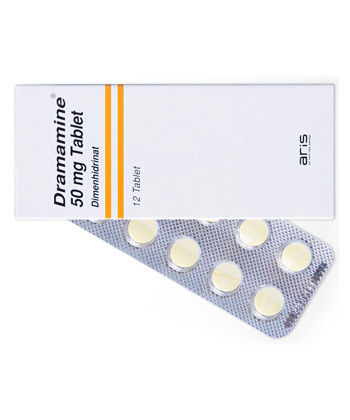
Dimenhydrinate products combine an antihistamine with a mild stimulant to reduce both nausea and drowsiness.
For optimal effectiveness, most medications should be taken before symptoms begin rather than after they've started.
When over-the-counter medications prove insufficient for managing your motion sickness, prescription alternatives may be necessary. This is particularly relevant for individuals who experience severe symptoms or travel frequently for work or leisure.
Hyoscine patches offer a prescription-strength, long-acting solution that delivers medication through the skin over 72 hours. These are particularly beneficial for cruise passengers or those on extended journeys. The patch is applied behind the ear and provides consistent relief without the need for repeated dosing.
Stronger antihistamine options may be prescribed when standard doses prove inadequate. Your GP can prescribe higher-strength formulations or combination therapies tailored to your specific needs.
Consult your GP or pharmacist if you experience:
Your healthcare provider can assess your individual circumstances and recommend the most appropriate treatment plan. They may also suggest combining medications with behavioural techniques or discuss alternative therapies for comprehensive motion sickness management.
Ginger has been recognised for centuries as an effective natural remedy for motion sickness. Available as capsules, tablets, or crystallised sweets, ginger supplements can significantly reduce nausea and vomiting. Many travellers find ginger biscuits or tea particularly helpful when consumed 30 minutes before departure.
Sea-bands and acupressure wristbands apply gentle pressure to the P6 acupressure point on your wrist, providing drug-free relief from motion sickness symptoms. These reusable bands are particularly popular amongst pregnant women and children who cannot take conventional medications.
Several lifestyle adjustments can minimise motion sickness risk:
Distraction techniques such as listening to music, controlled breathing exercises, or engaging in conversation can also prove remarkably effective in managing symptoms naturally.
Motion sickness medications have specific age requirements. Most antihistamines are suitable for children over 2 years, whilst scopolamine patches are typically restricted to adults. Always verify age-appropriate dosages and formulations before administering any medication to children or elderly patients.
Motion sickness treatments may interact with other medications, particularly:
Many motion sickness medications cause drowsiness and impaired coordination. Never drive or operate machinery after taking these treatments. Pregnant and breastfeeding women should consult healthcare professionals before using any motion sickness remedies, as some ingredients may affect foetal development.
Store all medications according to package instructions, typically in cool, dry conditions away from direct sunlight. Seek immediate medical attention if you experience severe allergic reactions, persistent vomiting leading to dehydration, or symptoms that worsen despite treatment. When combining different approaches, introduce treatments gradually to monitor effectiveness and avoid adverse reactions.