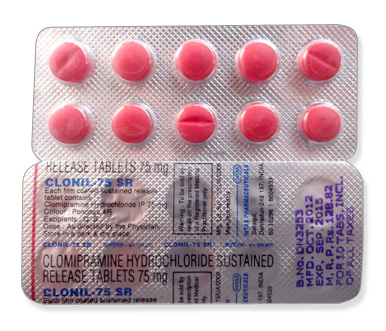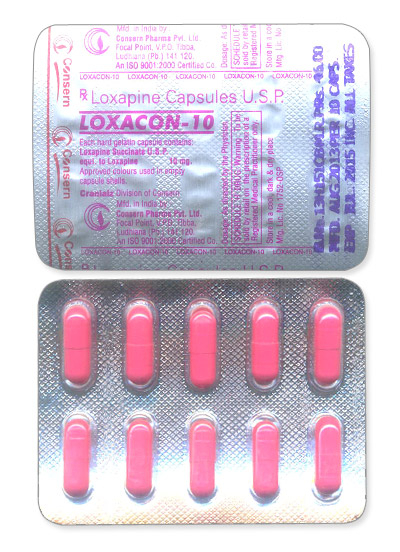
Depression and anxiety disorders represent some of the most common mental health conditions affecting millions across the UK. Clinical depression is characterised by persistent feelings of sadness, hopelessness, and loss of interest in daily activities lasting for at least two weeks. Anxiety disorders encompass various conditions including generalised anxiety disorder, panic disorder, and social anxiety, all marked by excessive worry and fear that interferes with normal functioning.
These conditions significantly impact daily life, affecting work performance, relationships, and overall quality of life. Many individuals experience both depression and anxiety simultaneously, as these disorders often co-occur and share similar underlying mechanisms involving neurotransmitter imbalances in the brain.
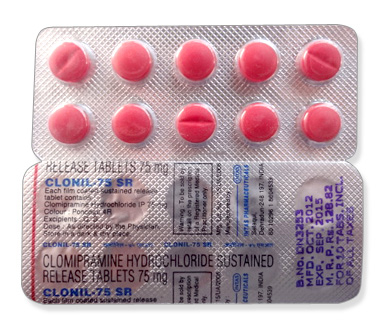
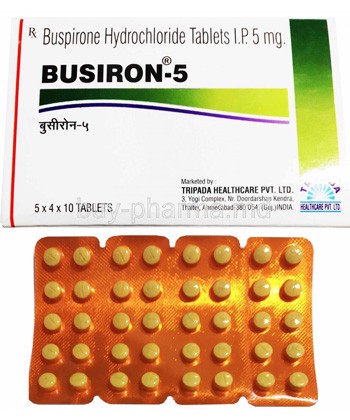
The NHS provides access to various evidence-based medications for treating depression and anxiety. Treatment options include:
All antidepressants and anxiolytics require a prescription from a GP or mental health specialist. Initial consultations involve comprehensive assessments to determine the most suitable treatment approach. Common side effects may include nausea, drowsiness, and changes in appetite, requiring careful monitoring during the first few weeks of treatment. Successful management often combines medication with psychological therapies such as cognitive behavioural therapy (CBT) and lifestyle modifications including regular exercise and stress management techniques.
Bipolar disorder is a complex mental health condition characterised by extreme mood swings between manic or hypomanic episodes and periods of depression. During manic episodes, individuals experience elevated mood, increased energy, reduced need for sleep, and sometimes reckless behaviour. Depressive episodes mirror those seen in major depression but can be more severe and prolonged.
The condition is classified into several types: Bipolar I disorder involves full manic episodes, Bipolar II features hypomanic episodes with major depression, and cyclothymic disorder presents with milder but chronic mood fluctuations. Long-term management is crucial as untreated bipolar disorder can lead to relationship breakdown, occupational difficulties, and increased suicide risk.
Effective treatment requires mood stabilising medications available through NHS mental health services. Lithium carbonate remains the gold standard treatment, offering proven efficacy in preventing both manic and depressive episodes whilst reducing suicide risk. Anticonvulsant medications including sodium valproate, carbamazepine, and lamotrigine provide alternative mood stabilisation, particularly useful for rapid cycling bipolar disorder.
Atypical antipsychotic medications such as quetiapine, olanzapine, and aripiprazole are increasingly used for acute mood episodes and long-term maintenance. These medications require regular blood monitoring to ensure therapeutic levels and detect potential side effects, emphasising the importance of ongoing psychiatric care and medication adherence for optimal outcomes.
Proper monitoring of psychiatric medications is essential for safe and effective treatment. Many mental health medications require regular blood tests to ensure therapeutic levels are maintained whilst avoiding toxicity. Lithium, for instance, requires frequent monitoring due to its narrow therapeutic window, with blood levels checked every 3-6 months once stabilised. Antipsychotic medications may require baseline and ongoing monitoring of metabolic parameters, including glucose, lipids, and prolactin levels. Your pharmacist can help coordinate these monitoring schedules with your GP or psychiatrist to ensure continuity of care.
Mental health medications can interact with numerous other drugs, supplements, and even certain foods. It's crucial to inform all healthcare providers about your complete medication regimen, including over-the-counter medicines and herbal supplements. Some interactions may require dose adjustments, whilst others may necessitate avoiding certain combinations entirely. Common interactions include those with anticoagulants, other CNS depressants, and medications affecting liver enzymes. Always consult your pharmacist before starting any new medication or supplement.
Planning for pregnancy whilst taking mental health medications requires careful consideration and specialist guidance. Some medications may pose risks to the developing foetus, whilst discontinuing treatment may also present risks to maternal mental health. If you're considering pregnancy or suspect you might be pregnant, contact your healthcare provider immediately. Your treatment plan may need adjustment, and additional monitoring may be required. Contraceptive counselling is also important, as some psychiatric medications may interact with hormonal contraceptives.
Schizophrenia presents with a complex array of symptoms that are typically categorised as positive or negative. Positive symptoms include hallucinations, delusions, and disorganised thinking, representing an excess of normal mental functions. Negative symptoms involve a reduction in normal functions, such as decreased motivation, social withdrawal, and reduced emotional expression. Understanding these symptom categories helps in selecting appropriate antipsychotic treatments, as different medications may have varying effectiveness against positive versus negative symptoms.
Early intervention in psychotic disorders significantly improves long-term outcomes. Research demonstrates that prompt treatment during the first episode of psychosis can reduce the severity of symptoms and improve quality of life. Early intervention services across the UK focus on providing comprehensive care during the critical early years of illness. These services emphasise the importance of medication adherence, psychological support, and social rehabilitation from the onset of treatment.
Long-term management of schizophrenia requires a multifaceted approach combining medication, psychological interventions, and social support. Treatment plans must be individualised, taking into account symptom severity, medication response, and personal circumstances. Regular review appointments with your psychiatrist and pharmacist help ensure optimal medication management and early identification of any emerging issues.
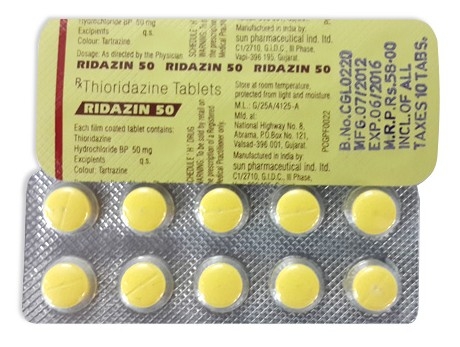
First-generation or typical antipsychotics, including haloperidol and chlorpromazine, remain important treatment options for psychotic disorders. These medications primarily block dopamine receptors and are particularly effective against positive symptoms of schizophrenia. Whilst they may cause more movement-related side effects compared to newer medications, they can be highly effective and are often more affordable. Your pharmacist can provide guidance on managing potential side effects and optimising dosing schedules.
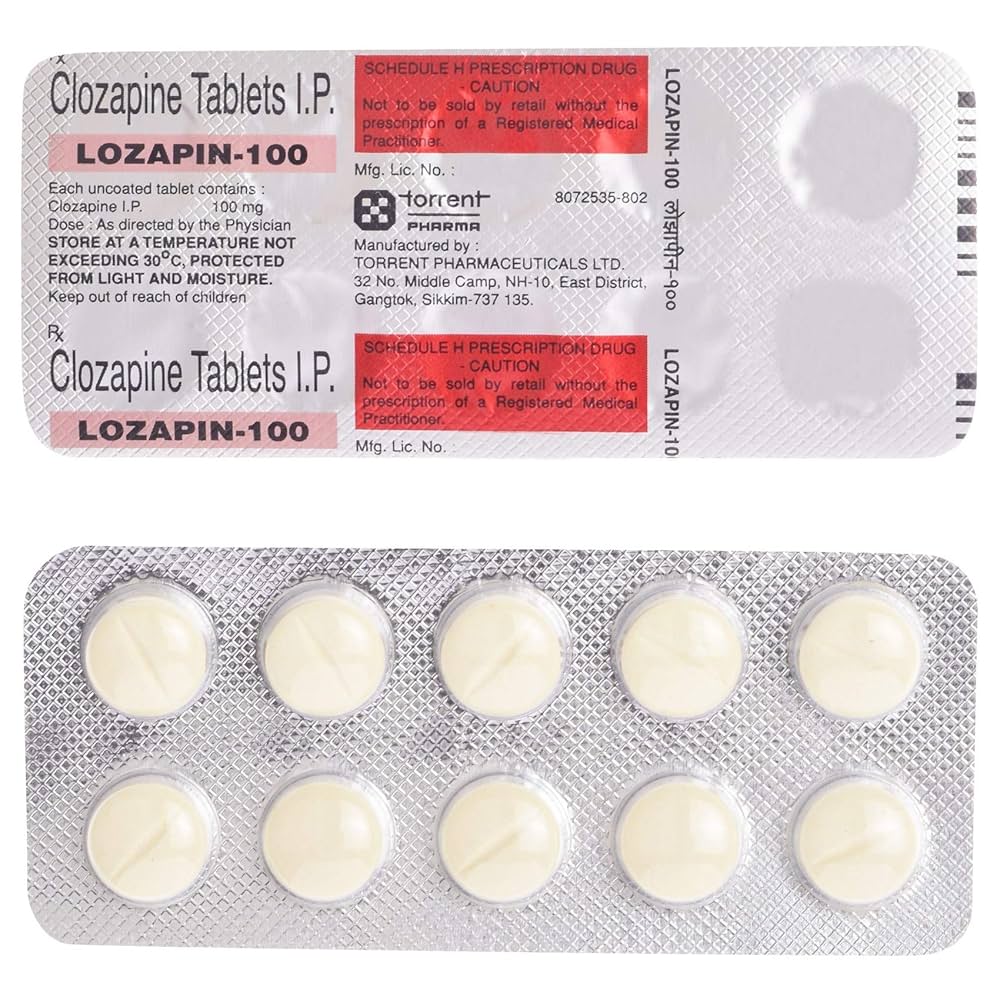
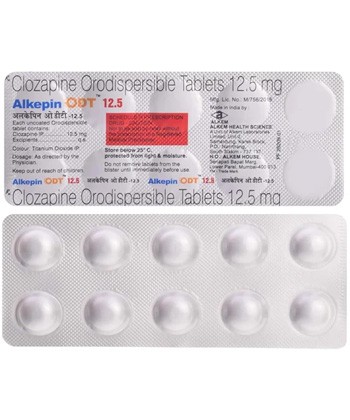
Second-generation or atypical antipsychotics offer a different side effect profile compared to typical antipsychotics. Risperidone is commonly prescribed due to its efficacy and relatively favourable side effect profile. Clozapine is reserved for treatment-resistant schizophrenia due to its superior efficacy but requires regular blood monitoring due to the risk of agranulocytosis. Paliperidone, an active metabolite of risperidone, provides once-daily dosing convenience. These medications may be associated with metabolic side effects requiring ongoing monitoring.
Long-acting injectable antipsychotics provide an alternative to daily oral medication, improving treatment adherence and reducing relapse rates. These formulations are administered every 2-4 weeks or monthly, depending on the specific medication. They're particularly beneficial for individuals who struggle with daily medication adherence or have a history of frequent relapses.
Depot injections represent a valuable option for maintaining medication adherence in psychotic disorders. These long-acting formulations eliminate the need for daily medication taking, which can be challenging for individuals experiencing cognitive symptoms or lack of insight. Available depot options include both typical and atypical antipsychotics, allowing for personalised treatment approaches based on individual needs and preferences.
Effective management of antipsychotic medications requires vigilant monitoring for potential side effects. Common adverse effects may include sedation, dizziness, and anticholinergic effects such as dry mouth and constipation. Regular monitoring helps identify side effects early, allowing for prompt intervention through dose adjustment, medication switching, or supportive treatments. Your pharmacist plays a crucial role in monitoring for side effects and providing advice on management strategies.
Many antipsychotic medications can cause metabolic side effects, including weight gain, diabetes, and dyslipidaemia. Regular monitoring of the following parameters is essential:
Lifestyle interventions, including dietary counselling and exercise programmes, are important components of managing these effects.
Tardive dyskinesia is a potentially serious side effect characterised by involuntary movements, typically affecting the face, tongue, and extremities. This condition is more commonly associated with typical antipsychotics but can occur with any antipsychotic medication. Regular assessment using standardised rating scales helps detect early signs of movement disorders. If tardive dyskinesia develops, treatment modifications may be necessary, potentially including dose reduction, medication switching, or the addition of specific treatments for movement disorders.
Attention Deficit Hyperactivity Disorder affects both children and adults, characterised by persistent patterns of inattention, hyperactivity, and impulsivity that interfere with daily functioning. In the UK, diagnosis typically requires specialist assessment through Child and Adolescent Mental Health Services (CAMHS) for children or adult psychiatrists for those over 18. Adult ADHD has gained increased recognition, with many seeking diagnosis later in life after recognising symptoms that may have been overlooked during childhood.
Treatment options in the UK include both stimulant and non-stimulant medications. Stimulant medications such as methylphenidate (available as Ritalin or Concerta) and lisdexamfetamine (Elvanse) are commonly prescribed first-line treatments. Non-stimulant alternatives include atomoxetine (Strattera), which may be preferred in certain circumstances. As controlled substances, these medications require careful monitoring and regular review appointments.
Comprehensive ADHD management involves several important monitoring requirements:
Sleep disorders significantly impact mental health and overall wellbeing. Insomnia, characterised by difficulty falling asleep or staying asleep, can be acute or chronic, often triggered by stress, anxiety, or underlying health conditions. Circadian rhythm disruptions, particularly common in shift workers or those experiencing jet lag, can exacerbate existing mental health conditions and create new challenges for emotional regulation.
Treatment options vary depending on the specific sleep disorder and its underlying causes. Short-term hypnotics such as zopiclone and zolpidem may be prescribed for acute insomnia, typically limited to 2-4 weeks to prevent dependence. Melatonin preparations are available for circadian rhythm disorders and are particularly useful for older adults. Over-the-counter options include sedating antihistamines like promethazine, though these should be used cautiously due to potential side effects and tolerance development.
Eating disorders are serious mental health conditions requiring comprehensive, multidisciplinary treatment approaches. These conditions involve complex psychological relationships with food and body image, often accompanied by severe physical complications including malnutrition, electrolyte imbalances, and organ dysfunction. Treatment typically involves specialist eating disorder teams including psychiatrists, psychologists, dietitians, and medical professionals working collaboratively to address both psychological and physical aspects of recovery.
Medication plays a supportive role in eating disorder treatment, primarily addressing co-occurring mental health conditions. Fluoxetine is specifically licensed for bulimia nervosa and can help reduce binge-purge cycles. Nutritional supplements are frequently necessary to address vitamin and mineral deficiencies common in these conditions. Prescribing considerations include: