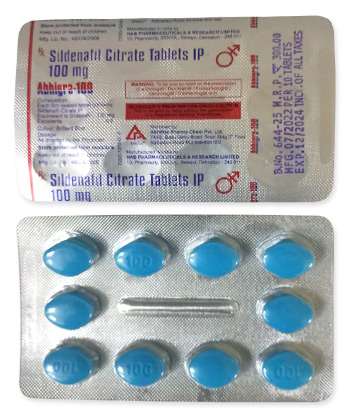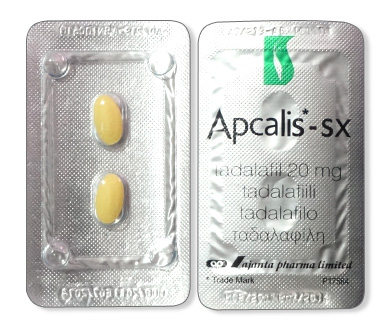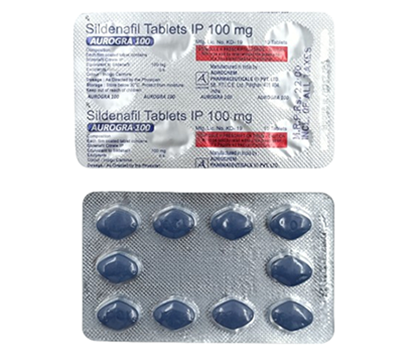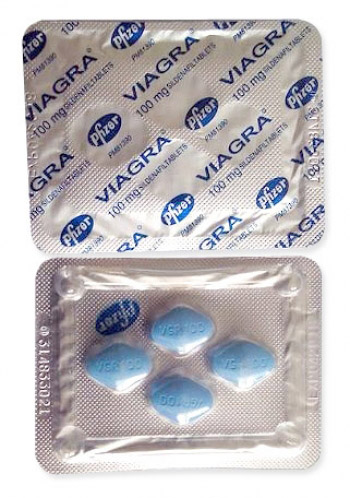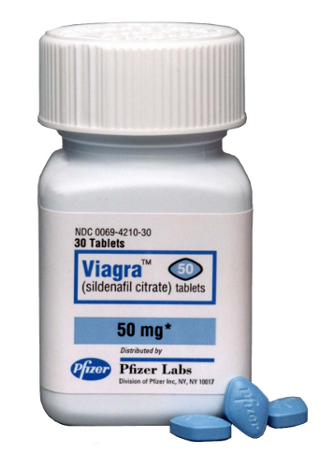
Erectile dysfunction (ED) affects approximately 4.3 million men in the UK, with prevalence increasing with age. It's defined as the persistent inability to achieve or maintain an erection sufficient for satisfactory sexual performance. Common causes include cardiovascular disease, diabetes, hormonal imbalances, psychological factors, and certain medications. Understanding that ED is a medical condition, not a personal failing, is crucial for seeking appropriate treatment.
The UK offers several effective prescription treatments for erectile dysfunction. The most commonly prescribed medications include:
These medications work by increasing blood flow to the penis, with success rates of 60-80% in most men. A consultation with a healthcare professional or pharmacist is essential to determine the most suitable treatment, assess potential interactions with existing medications, and ensure safety.
Lifestyle modifications can significantly impact sexual health. Regular exercise, maintaining a healthy weight, limiting alcohol consumption, and stopping smoking all contribute to improved erectile function. Some men benefit from counselling, particularly when psychological factors contribute to ED. Various supplements and alternative treatments are available, though their efficacy varies and should be discussed with healthcare professionals.
Androgenetic alopecia, commonly known as male pattern baldness, affects over 50% of men over age 50 in the UK. This hereditary condition is characterised by a receding hairline and crown thinning, caused by sensitivity to dihydrotestosterone (DHT). The hormone gradually shrinks hair follicles, leading to progressively thinner and shorter hair before follicles eventually stop producing hair altogether.
Two clinically proven treatments are available through UK pharmacies:
Finasteride shows effectiveness in 80-90% of men, whilst minoxidil benefits approximately 60% of users. Both treatments require ongoing use to maintain results.
Hair transplant procedures offer a permanent solution for suitable candidates, involving relocating hair follicles from dense areas to thinning regions. Nutritional supplements containing biotin, zinc, and saw palmetto may support overall hair health, though evidence is limited. Results from medical treatments typically become noticeable after 3-6 months of consistent use, with optimal results appearing after 12-24 months. Early intervention generally yields better outcomes than waiting until significant hair loss has occurred.
Testosterone deficiency affects millions of men across the UK, with symptoms often developing gradually and going unrecognised. Low testosterone levels can manifest through various signs including persistent fatigue, reduced muscle mass, decreased libido, mood changes, and difficulty concentrating. Men may also experience increased body fat, particularly around the midsection, along with reduced bone density and sleep disturbances.
Age-related testosterone decline is a natural process, with levels typically decreasing by approximately 1-2% annually after age 30. However, certain medical conditions can accelerate this decline, including diabetes, obesity, sleep apnoea, chronic kidney disease, and pituitary disorders. Lifestyle factors such as excessive stress, poor sleep quality, and sedentary behaviour can further impact hormone production.
In the UK, testosterone replacement therapy (TRT) is available through the NHS and private healthcare providers following proper diagnosis. Treatment options include:
Regular monitoring is essential during TRT, including blood tests to check testosterone levels, haematocrit, and prostate-specific antigen (PSA). Patients typically require follow-up appointments every 3-6 months initially, then annually once stable.
Natural approaches to support healthy testosterone levels include maintaining a balanced diet rich in zinc, vitamin D, and healthy fats, engaging in regular resistance training, ensuring adequate sleep, managing stress effectively, and maintaining a healthy weight. However, men experiencing symptoms should consult healthcare professionals for proper evaluation and treatment recommendations.
Prostate health becomes increasingly important as men age, with several conditions commonly affecting the prostate gland. Benign prostatic hyperplasia (BPH), or enlarged prostate, affects approximately 50% of men over 50 in the UK. This non-cancerous condition can cause troublesome urinary symptoms including frequent urination, particularly at night, weak urine stream, difficulty starting urination, and the sensation of incomplete bladder emptying.
Several effective medications are available through UK pharmacies for managing BPH symptoms. Alpha-blockers work by relaxing smooth muscle in the prostate and bladder neck, improving urine flow. Common options include:
5-alpha reductase inhibitors, including finasteride and dutasteride, work by shrinking the prostate gland over time. These medications are particularly beneficial for men with significantly enlarged prostates and may reduce the need for surgical intervention. Combination therapies using both drug classes can provide enhanced symptom relief for some patients.
Regular prostate cancer screening, including PSA testing and digital rectal examinations, is recommended for men over 50 or those with family history. Lifestyle measures supporting prostate health include maintaining a healthy weight, regular physical activity, limiting alcohol consumption, and consuming a diet rich in tomatoes, green tea, and omega-3 fatty acids whilst reducing red meat intake.
Mental health challenges affect one in eight men in the UK, yet many struggle to seek help due to societal expectations and stigma. Men are statistically less likely to discuss emotional difficulties, contributing to higher suicide rates and undiagnosed depression. Understanding these unique challenges is crucial for promoting better mental wellbeing amongst male populations.
Depression and anxiety manifest differently in men, often appearing as irritability, anger, or substance misuse rather than traditional symptoms. Modern treatment approaches include both pharmaceutical and therapeutic interventions. Antidepressants such as SSRIs and SNRIs can effectively manage symptoms when prescribed by healthcare professionals. Anti-anxiety medications provide short-term relief, whilst counselling and therapy services offer long-term coping strategies.
Effective stress management involves multiple approaches:
Sleep hygiene plays a vital role in mental wellbeing, with poor sleep patterns directly linked to increased stress, anxiety, and depression. Prioritising 7-9 hours of quality sleep supports emotional regulation and cognitive function, making it an essential component of comprehensive mental health care.
Preventive healthcare is fundamental to maintaining optimal health throughout a man's lifetime. Regular health screenings and monitoring become increasingly important with age, helping detect potential issues before they develop into serious conditions. Understanding which health checks are appropriate for different age groups enables proactive healthcare management.
Men aged 20-39 should focus on blood pressure monitoring, cholesterol checks every five years, and diabetes screening if risk factors are present. Those aged 40-64 require more frequent cardiovascular assessments, prostate health discussions, and colorectal cancer screening from age 50. Men over 65 need comprehensive annual health reviews including bone density tests and cognitive assessments.
Key preventive measures include:
Nutritional supplementation may benefit men's health, particularly vitamin D, omega-3 fatty acids, and magnesium. However, supplements should complement, not replace, a balanced diet. NHS smoking cessation services and nicotine replacement therapies provide excellent support for those looking to quit tobacco use, significantly reducing cardiovascular and cancer risks.