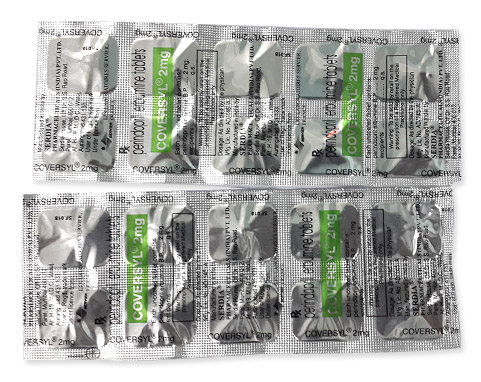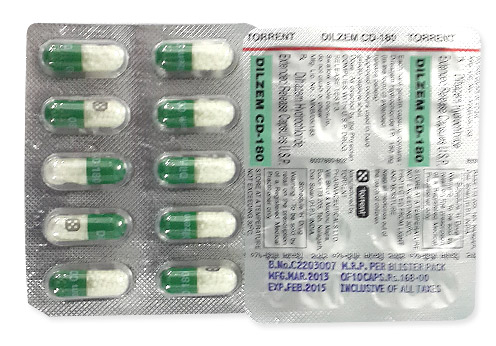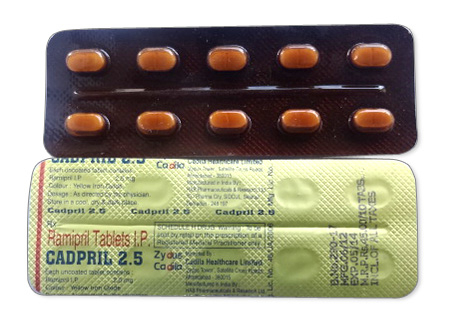
High blood pressure, also known as hypertension, occurs when the force of blood against your artery walls is consistently too high. This condition makes your heart work harder to pump blood throughout your body, putting extra strain on your cardiovascular system. Over time, untreated hypertension can damage your arteries, heart, brain, kidneys, and other vital organs. Often called the "silent killer," high blood pressure typically develops gradually and may show no obvious symptoms until serious complications arise.
In the UK, blood pressure is measured in millimetres of mercury (mmHg) and recorded as two numbers. The systolic pressure (top number) measures the force when your heart beats, whilst the diastolic pressure (bottom number) measures the force when your heart rests between beats. According to NHS guidelines, normal blood pressure is typically below 120/80 mmHg. High blood pressure is generally considered to be 140/90 mmHg or higher, though your GP may recommend treatment at lower readings depending on your individual risk factors. Blood pressure between 120/80 and 140/90 mmHg is considered elevated and may require lifestyle modifications.
Several factors can increase your risk of developing high blood pressure, many of which are preventable through lifestyle changes. Understanding these risk factors helps you take proactive steps towards better cardiovascular health.
When left untreated, hypertension can lead to serious health complications including heart attack, stroke, heart failure, kidney disease, and vision problems. These complications develop gradually, making regular monitoring and early intervention crucial for maintaining long-term health.
You should consult your GP if you experience persistent headaches, shortness of breath, nosebleeds, or chest pain, as these may indicate severely elevated blood pressure. However, since hypertension often presents no symptoms, regular check-ups are essential. Adults over 40 should have their blood pressure checked at least every five years, whilst those with risk factors may need more frequent monitoring. Your local pharmacy can provide convenient blood pressure checks, and many offer NHS services for ongoing monitoring and support.
ACE (Angiotensin-Converting Enzyme) inhibitors are amongst the most commonly prescribed blood pressure medications in the UK. These medicines work by blocking the production of angiotensin II, a hormone that narrows blood vessels, allowing your blood vessels to relax and widen. This reduces the pressure on your arterial walls and makes it easier for your heart to pump blood efficiently. Ramipril is often prescribed as a first-line treatment and is available in various strengths to suit individual needs. Lisinopril offers once-daily dosing convenience and is particularly beneficial for patients with diabetes or heart conditions. Perindopril is frequently chosen for its proven cardiovascular protection benefits and excellent tolerability profile. These medications may cause a dry cough in some patients, which typically resolves when switching to an alternative class of blood pressure medicine.
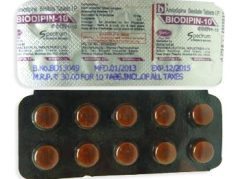
Calcium channel blockers represent another important class of antihypertensive medications widely used across the UK. These medicines prevent calcium from entering the muscle cells of your heart and blood vessels, causing the muscles to relax and blood vessels to widen. Amlodipine is one of the most frequently prescribed calcium channel blockers, known for its long-lasting effect and once-daily dosing schedule. It's particularly effective for patients who may not respond well to ACE inhibitors or require additional blood pressure control. Felodipine offers extended-release formulations that provide steady blood pressure control throughout the day whilst minimising side effects. Nifedipine is available in both immediate-release and modified-release formulations, making it suitable for various clinical situations. Common side effects may include ankle swelling, flushing, and dizziness, though these often improve as your body adjusts to the medication.
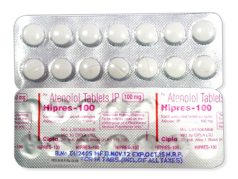
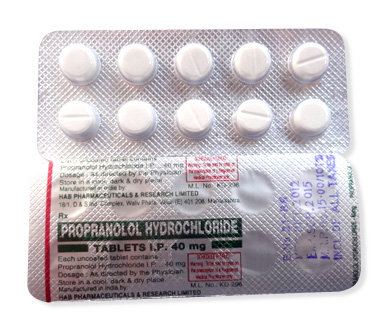
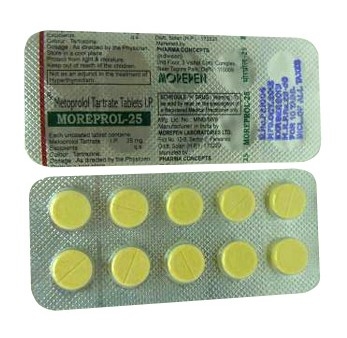
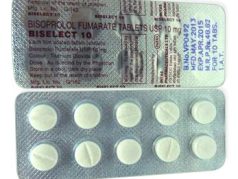
Beta-blockers are essential medications for managing hypertension by reducing heart rate and the force of heart contractions. Atenolol provides once-daily convenience and is particularly effective for patients with concurrent heart conditions. Bisoprolol offers excellent cardiovascular protection with fewer side effects, making it suitable for long-term management. Propranolol, whilst effective for blood pressure control, is often reserved for patients with additional conditions such as anxiety or migraine. These medications work by blocking adrenaline receptors, resulting in decreased cardiac output and lower blood pressure readings.
Thiazide and thiazide-like diuretics remain cornerstone treatments for hypertension by reducing blood volume through increased urine production. Bendroflumethiazide has been widely prescribed in the UK for decades, offering proven cardiovascular benefits at low doses. Indapamide provides similar efficacy with potentially fewer metabolic side effects, making it an excellent alternative for patients concerned about blood sugar levels. Both medications effectively lower blood pressure whilst protecting against stroke and heart disease when used appropriately.
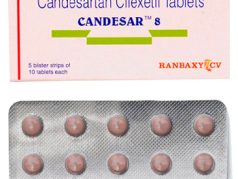
Angiotensin receptor blockers (ARBs) offer effective blood pressure control with excellent tolerability profiles. Losartan was the first ARB available and remains highly effective for hypertension management, particularly in diabetic patients. Candesartan provides superior cardiovascular protection and is often preferred for patients with heart failure. Valsartan offers consistent 24-hour blood pressure control with once-daily dosing. These medications work by blocking angiotensin II receptors, preventing blood vessel constriction whilst avoiding the dry cough commonly associated with ACE inhibitors, making them excellent alternatives for sensitive patients.
NICE guidelines provide clear recommendations for initial hypertension treatment based on patient age and ethnicity. For patients under 55 years, ACE inhibitors or ARBs are typically first-line choices due to their cardiovascular protective effects. Patients over 55 years or of African Caribbean descent usually receive calcium channel blockers or thiazide-like diuretics as initial therapy. These evidence-based recommendations ensure optimal blood pressure control whilst minimising adverse effects. Healthcare professionals consider individual patient factors including kidney function, diabetes, and cardiovascular risk when selecting appropriate first-line treatments for sustainable long-term management.
Combination therapy becomes necessary when single medications fail to achieve target blood pressure levels below 140/90 mmHg. Common combinations include ACE inhibitors with calcium channel blockers or diuretics, providing complementary mechanisms of action. Fixed-dose combination tablets improve patient compliance by reducing pill burden whilst maintaining effective blood pressure control. Typical progression involves:
Age significantly influences medication choice due to physiological changes and comorbidity prevalence. Younger patients typically respond better to ACE inhibitors and ARBs, which provide additional cardiovascular protection. Older adults often require calcium channel blockers or diuretics as first-line treatment due to altered renin-angiotensin system activity. Careful dose titration prevents hypotension in elderly patients, whilst considering interactions with existing medications for age-related conditions such as arthritis or cognitive decline.
Most blood pressure medications are well-tolerated, but some patients may experience side effects. ACE inhibitors commonly cause a dry cough in about 10-15% of patients, whilst calcium channel blockers may lead to ankle swelling or flushing. Diuretics can cause increased urination, particularly when first starting treatment, and may occasionally lead to dizziness when standing up quickly. Beta-blockers might cause fatigue or cold hands and feet in some individuals. These side effects often improve as your body adjusts to the medication, typically within the first few weeks of treatment.
Several medications can interact with blood pressure treatments, potentially affecting their effectiveness or causing harmful effects. Non-steroidal anti-inflammatory drugs (NSAIDs) such as ibuprofen can reduce the effectiveness of ACE inhibitors and increase blood pressure. Some antidepressants and decongestants found in cold remedies can also raise blood pressure. Always inform your pharmacist about all medications you're taking, including over-the-counter medicines, herbal supplements, and vitamins, to ensure safe combinations.
Contact your healthcare provider if you experience persistent or concerning side effects that don't improve after a few weeks. Seek immediate medical attention if you develop severe dizziness, fainting, chest pain, or difficulty breathing. Your pharmacist can provide advice on managing minor side effects and help determine whether symptoms warrant medical review. Regular communication with your healthcare team ensures optimal treatment outcomes whilst minimising adverse effects.
Home blood pressure monitors are valuable tools for tracking your condition between medical appointments. Digital upper-arm monitors are generally more accurate than wrist devices and are recommended by the British Hypertension Society. When selecting a monitor, ensure it has a validated accuracy rating and an appropriate cuff size for your arm. Many pharmacies offer guidance on choosing the right device and can demonstrate proper measurement technique. Regular home monitoring helps you and your healthcare provider make informed decisions about your treatment plan.
Several dietary supplements may support blood pressure management when used alongside prescribed medications and lifestyle changes. Omega-3 fatty acids, garlic extract, and hibiscus tea have shown modest benefits in some studies. However, supplements should never replace prescribed medications without medical supervision. Some supplements can interact with blood pressure medications, so always consult your pharmacist before starting any new supplement regimen. A balanced diet rich in fruits, vegetables, and whole grains remains the most effective nutritional approach to supporting healthy blood pressure.
The NHS provides extensive support for lifestyle modifications that can help manage hypertension. These resources include:
In England, prescription charges apply to most medications, though many patients with ongoing conditions benefit from prepayment certificates for better value. Patients in Scotland, Wales, and Northern Ireland receive free prescriptions. Certain groups are exempt from prescription charges, including those over 60, under 16, pregnant women, and people with specific medical conditions. Whilst hypertension alone doesn't qualify for automatic exemption, many patients have additional conditions that may provide eligibility. Your pharmacist can advise on the most cost-effective options for your circumstances.
Most pharmacies offer convenient repeat prescription services, collecting your prescription from your GP surgery and preparing your medications for collection. Many provide electronic prescription services, automatic refill programmes, and medication synchronisation to align all your prescriptions for simultaneous collection. Regular medication reviews with your pharmacist ensure your treatment remains appropriate and effective. These reviews typically occur annually or when starting new medications, helping identify any issues and optimising your therapy.
Seek immediate medical attention if you experience severely elevated blood pressure readings (typically above 180/110 mmHg) accompanied by symptoms such as severe headache, chest pain, shortness of breath, or visual changes. This may indicate a hypertensive crisis requiring emergency treatment. Call 999 for severe symptoms or attend A&E immediately. For less urgent concerns, contact NHS 111 for advice, your GP practice, or visit an urgent care centre. Never stop taking blood pressure medications suddenly without medical supervision, as this can cause dangerous rebound hypertension.