HIV (Human Immunodeficiency Virus) is a virus that attacks the body's immune system, specifically targeting CD4 cells (T-helper cells) which are crucial for fighting infections. When left untreated, HIV progressively weakens the immune system, making the body vulnerable to opportunistic infections and certain cancers.
HIV is transmitted through contact with infected bodily fluids, including blood, semen, vaginal fluids, and breast milk. Common transmission routes include unprotected sexual contact, sharing needles, and from mother to child during pregnancy, birth, or breastfeeding. It's important to note that HIV cannot be transmitted through casual contact, saliva, or sharing household items.
HIV and AIDS are related but distinct conditions. HIV is the virus itself, whilst AIDS (Acquired Immunodeficiency Syndrome) represents the advanced stage of HIV infection when the immune system becomes severely compromised. With modern treatment, many people with HIV never progress to AIDS.
In the UK, approximately 105,200 people are living with HIV, with around 4,500 new diagnoses annually. Early detection through regular testing is crucial, as prompt treatment with antiretroviral therapy can allow people with HIV to live long, healthy lives whilst preventing transmission to others.
Several types of HIV tests are available in the UK, each with different timeframes and accuracy levels. Laboratory-based tests, including fourth-generation combination tests, can detect HIV infection 2-6 weeks after exposure. Rapid point-of-care tests provide results within 20 minutes, whilst home testing kits offer privacy and convenience.
Regular HIV testing is recommended for sexually active individuals, particularly those with multiple partners or engaging in higher-risk activities. The NHS recommends annual testing for most people, with more frequent testing (every 3 months) for those at higher risk.
HIV testing services are widely accessible across the UK through:
All HIV testing in the UK is strictly confidential. Following a positive diagnosis, patients receive immediate support from specialist healthcare teams, counselling services, and access to treatment programmes. Modern antiretroviral treatments are highly effective, allowing people with HIV to achieve undetectable viral loads and live normal lifespans.
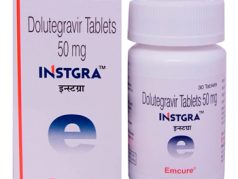
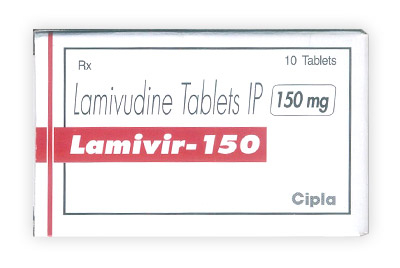
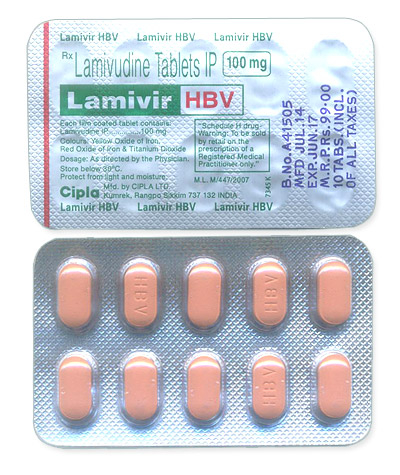
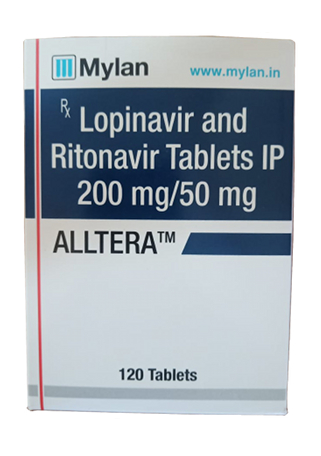
Antiretroviral therapy (ART) represents the cornerstone of HIV treatment, working by targeting different stages of the virus's life cycle to prevent replication and reduce viral load to undetectable levels. Modern ART enables people with HIV to live healthy, normal lives whilst preventing transmission to others.
Common combination medications available through UK pharmacies include Bictegravir/tenofovir alafenamide/emtricitabine (Biktarvy), Efavirenz/tenofovir/emtricitabine (Atripla), and Dolutegravir/abacavir/lamivudine (Triumeq). These single-tablet regimens improve convenience and adherence.
Effective ART suppresses viral load to undetectable levels, allowing CD4+ cell counts to recover and maintaining robust immune function. Strict adherence to prescribed regimens is crucial for treatment success, preventing drug resistance, and achieving the health benefits of undetectable viral loads.
Pre-exposure prophylaxis (PrEP) involves taking HIV medication before potential exposure to prevent infection. In the UK, Truvada (tenofovir/emtricitabine) is available through NHS England for eligible individuals at high risk of HIV acquisition.
NHS PrEP services are available for men who have sex with men, transgender individuals, and others at substantial HIV risk. Eligibility assessment includes sexual behaviour, partner HIV status, and other risk factors. Access is provided through sexual health clinics following comprehensive risk assessment.
Post-exposure prophylaxis (PEP) provides emergency HIV prevention within 72 hours of potential exposure, available through NHS accident and emergency departments and sexual health services.
Combining multiple prevention strategies, including PrEP, safer sex practices, and regular testing, provides comprehensive protection against HIV transmission whilst supporting overall sexual health and wellbeing.
Modern HIV treatment has transformed the condition into a manageable chronic illness, though regular monitoring and proactive healthcare remain essential. Understanding potential side effects and maintaining consistent health oversight helps ensure optimal treatment outcomes and quality of life.
HIV medications may cause side effects such as nausea, headaches, fatigue, or changes in body fat distribution. Most side effects are manageable through timing adjustments, dietary modifications, or switching to alternative medications. Your healthcare team can provide specific strategies tailored to your treatment regimen.
Regular blood tests monitor viral load, CD4+ cell counts, and organ function. These typically occur every three to six months, with additional tests for cholesterol, kidney function, and bone density as needed.
Long-term health considerations include cardiovascular health, bone density, and cancer screening, requiring comprehensive care approaches.
The UK provides comprehensive support networks for people living with HIV, ensuring access to medical care, emotional support, and practical assistance through various channels.
NHS HIV specialist clinics offer expert care, including regular monitoring, treatment adjustments, and specialist consultations. These services are free at the point of use and provide coordinated care with other healthcare professionals.
Community pharmacies provide essential services including medication reviews, adherence support, and confidential consultations. Many pharmacies offer HIV medication management programmes and can coordinate with HIV clinics for seamless care.
Regular pharmacy consultations ensure medication effectiveness, identify potential issues early, and provide ongoing support for treatment adherence and overall wellbeing management.