Hair loss affects millions of people across the UK and becomes a concern when you notice excessive shedding, thinning patches, or a receding hairline that impacts your confidence and wellbeing. Whilst losing 50-100 hairs daily is perfectly normal, persistent hair loss patterns warrant attention and potential treatment.
Male pattern baldness, or androgenetic alopecia, represents the most prevalent form affecting UK men, typically beginning with temple recession and crown thinning. Female pattern hair loss manifests differently, usually causing diffuse thinning across the crown whilst maintaining the frontal hairline. Alopecia areata creates distinctive round patches of complete hair loss, often appearing suddenly and affecting people of all ages.
Telogen effluvium causes temporary, widespread hair thinning following significant stress, illness, surgery, or hormonal changes such as childbirth or menopause. This condition typically resolves once the underlying trigger is addressed.
The primary causes of hair loss include:
Early warning signs include increased hair in your brush, visible scalp through thinning areas, and changes in hair texture or growth patterns.
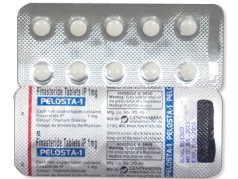
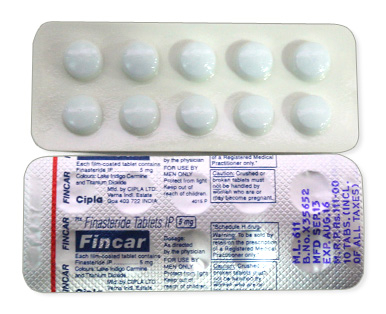
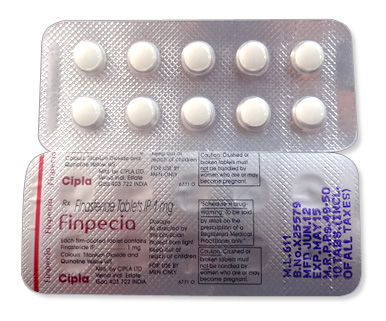
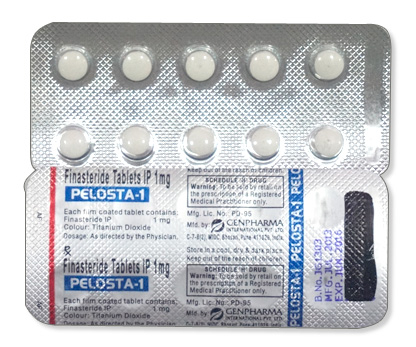
Finasteride represents the gold standard oral treatment for male pattern baldness in the UK. This daily tablet works by blocking the enzyme 5-alpha reductase, which converts testosterone into DHT, the hormone primarily responsible for male pattern hair loss. Clinical studies demonstrate that finasteride stops further hair loss in 90% of men and promotes regrowth in approximately 65% of users.
Higher concentration minoxidil formulations available on prescription offer enhanced efficacy compared to over-the-counter versions. This topical treatment stimulates blood flow to hair follicles and is suitable for both men and women experiencing pattern hair loss.
These medications can be prescribed by GPs, dermatologists, or registered online pharmacy services following proper consultation. Whilst NHS coverage is limited, private prescriptions ensure accessibility across the UK.
Results typically become visible after 3-6 months of consistent use, with optimal benefits appearing around 12 months. Important considerations include potential side effects such as decreased libido with finasteride, and scalp irritation with minoxidil. A thorough medical consultation is essential before commencing any prescription hair loss treatment to ensure suitability and safety.
The UK market offers numerous over-the-counter treatments for hair loss, providing accessible options for those seeking to address thinning hair without a prescription. Understanding these treatments can help you make informed decisions about your hair health journey.
Minoxidil remains the most clinically proven over-the-counter treatment available in British pharmacies. Available in both 2% and 5% concentrations, this topical solution works by improving blood flow to hair follicles and extending the growth phase of hair. The 5% formula is typically recommended for men, whilst the 2% concentration is often preferred for women, though both can be effective depending on individual circumstances.
Hair growth shampoos and conditioners containing active ingredients like ketoconazole, saw palmetto, and adenosine offer gentle daily treatment options. Caffeine-based treatments have gained popularity, with studies suggesting caffeine can stimulate hair follicles and counteract the effects of DHT (dihydrotestosterone).
Nutritional supplements including biotin, iron, zinc, and vitamin complexes address potential deficiencies that may contribute to hair loss. Topical serums containing peptides and growth factors provide targeted treatment for thinning areas. When choosing products, consider your specific type of hair loss, scalp sensitivity, and maintain realistic expectations, as most treatments require 3-6 months of consistent use to show visible results.
Prevention often proves more effective than treatment when addressing hair loss. By adopting protective strategies early, you can significantly reduce your risk of experiencing severe hair thinning and maintain healthier hair throughout your life.
Recognising early signs of hair loss allows for prompt action. Gentle hair care practices form the foundation of prevention, including using mild shampoos, avoiding excessive washing, and being careful when brushing wet hair. Choose wide-toothed combs and avoid aggressive towel drying to minimise mechanical damage to fragile hair strands.
A balanced diet rich in protein, iron, zinc, and vitamins A, C, D, and E supports healthy hair growth. Stress management plays a crucial role, as chronic stress can trigger telogen effluvium, causing temporary but significant hair loss. Consider stress-reduction techniques such as meditation, regular exercise, or counselling when needed.
Protecting your hair from damage involves several key considerations:
Consult your GP or a trichologist if you notice sudden hair loss, patchy baldness, or if hair loss significantly impacts your confidence, as these may indicate underlying conditions requiring professional treatment.
Hair loss in women presents unique challenges and considerations that differ significantly from male-pattern baldness. Understanding these specific factors is crucial for selecting appropriate treatments and managing expectations throughout the recovery process.
Hormonal fluctuations are a primary cause of hair loss in women. During pregnancy, many women experience thicker, fuller hair due to elevated oestrogen levels, but postpartum hair loss is common as hormone levels normalise. Menopause brings declining oestrogen levels, which can trigger androgenetic alopecia and overall hair thinning. Women with polycystic ovary syndrome (PCOS) often experience elevated androgen levels, leading to male-pattern hair loss and requiring specialised treatment approaches.
Iron deficiency is particularly common among women of childbearing age due to menstruation, and it's a significant but often overlooked cause of hair loss. Low ferritin levels can disrupt the hair growth cycle, leading to diffuse thinning. A simple blood test can determine iron status, and supplementation under medical guidance can often restore hair growth when deficiency is addressed.
Women have access to several effective hair loss treatments. Minoxidil is available in 2% and 5% formulations specifically for women, with the lower concentration often preferred initially. Hormonal treatments such as anti-androgen medications may be prescribed for those with hormonal imbalances. Low-level laser therapy and platelet-rich plasma treatments are also suitable options for women seeking non-pharmaceutical approaches.
Pregnancy and breastfeeding require special consideration when selecting hair loss treatments. Most topical and oral medications are contraindicated during these periods. Safe approaches include gentle hair care routines, nutritional support, and stress management. It's essential to consult with healthcare providers before using any hair loss treatments during pregnancy or whilst breastfeeding.
Female-pattern hair loss typically presents as diffuse thinning across the crown and top of the head, rather than the receding hairline and bald spots common in men. Women usually retain their frontal hairline, and complete baldness is rare. This pattern requires different treatment strategies and often responds better to certain therapies than others.
Whilst addressing underlying causes, cosmetic solutions can provide immediate confidence boosts. Hair fibres, volumising shampoos, and root-lifting products can create the appearance of thicker hair. Styling techniques such as avoiding tight hairstyles, using wide-tooth combs, and choosing appropriate cuts can minimise breakage and maximise volume.
Hair loss can significantly impact a woman's self-esteem and emotional wellbeing. Support groups, counselling services, and online communities provide valuable emotional support. Many UK-based organisations offer resources specifically for women experiencing hair loss, helping to address both the physical and psychological aspects of the condition.
Selecting appropriate hair loss treatment requires careful consideration of multiple factors, from the underlying cause to lifestyle preferences. Taking a systematic approach ensures the best possible outcomes whilst minimising potential risks and costs.
Before beginning any treatment, it's crucial to accurately assess the type and severity of hair loss. The Hamilton-Norwood scale for men and the Ludwig scale for women provide standardised classifications. Consider factors such as family history, onset patterns, and associated symptoms. Photographic documentation can help track progress over time and assist healthcare providers in making informed recommendations.
UK pharmacists are highly trained healthcare professionals who can provide valuable guidance on hair loss treatments. Many pharmacy consultations are available without appointment, offering convenient access to expert advice. Pharmacists can explain different treatment options, potential side effects, and drug interactions, ensuring safe and appropriate selection of therapies.
Hair loss treatments require patience and commitment, as results typically take several months to become apparent. Most topical treatments require 3-6 months of consistent use before improvements are noticeable, whilst oral medications may take even longer. Understanding these timelines helps set realistic expectations and prevents premature discontinuation of potentially effective treatments.
Many individuals benefit from combining multiple treatment approaches, but this must be done safely. Common combinations include:
Regular monitoring is essential for successful hair loss management. Monthly photographs, scalp examinations, and treatment diaries help track progress and identify when adjustments are needed. If initial treatments aren't effective after 6-12 months, alternative approaches or combination therapies may be recommended.
Hair loss treatment represents a long-term financial commitment, as most therapies require ongoing use to maintain benefits. Calculate monthly costs for treatments, including potential NHS prescriptions versus private options. Many pharmacies offer loyalty programmes or bulk purchasing discounts that can reduce long-term expenses.
UK-registered online pharmacies offer convenient access to hair loss treatments with professional oversight. These services typically include online consultations, discreet packaging, and regular delivery options. Ensure any online pharmacy is registered with the General Pharmaceutical Council (GPhC) and displays the required regulatory credentials.
Effective hair loss management extends beyond active treatments to include gentle hair care practices. Use mild, sulphate-free shampoos, avoid excessive heat styling, and protect hair from environmental damage. Regular scalp massage, appropriate brushing techniques, and stress management all contribute to optimal hair health and treatment outcomes.