Gastroesophageal reflux disease (GERD) and occasional heartburn affect millions of people across the UK, causing discomfort when stomach acid flows back into the oesophagus. Understanding the difference between occasional heartburn and chronic GERD is crucial for selecting appropriate treatment options available through UK pharmacies.
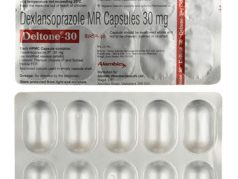
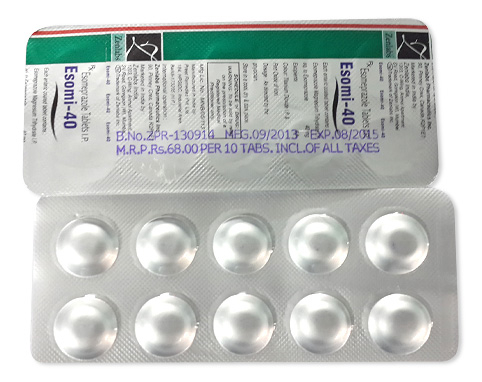
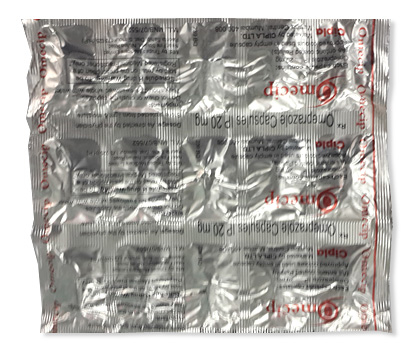
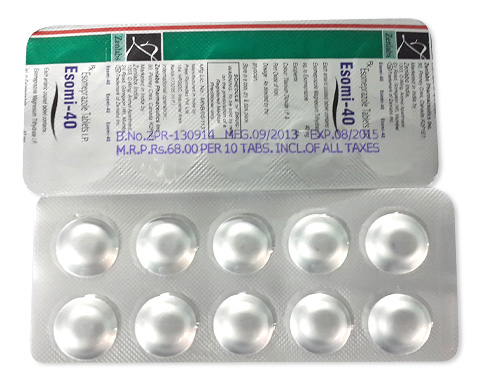
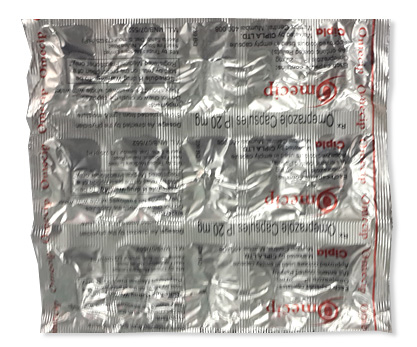
Proton pump inhibitors (PPIs) are highly effective medications that reduce stomach acid production. In the UK, several options are readily available over-the-counter, including omeprazole (commonly known as Losec), lansoprazole (Zoton), and esomeprazole (Nexium). These medications provide long-lasting relief by blocking the enzyme responsible for acid production, making them ideal for frequent heartburn sufferers.
Following the withdrawal of ranitidine from UK markets, alternative H2 receptor antagonists have become essential options. Famotidine and cimetidine are now the primary choices, working by blocking histamine receptors that stimulate acid production. These medications offer effective relief with a different mechanism of action compared to PPIs.
For quick symptom relief, antacids containing calcium carbonate or magnesium hydroxide combinations provide immediate neutralisation of stomach acid. These fast-acting treatments are perfect for occasional heartburn episodes.
Lifestyle modifications can significantly improve symptoms:
Over-the-counter treatments are suitable for mild, occasional symptoms, whilst prescription-strength options may be necessary for chronic GERD. Consult your pharmacist or GP if symptoms persist beyond two weeks or worsen despite treatment.
Digestive enzymes play a vital role in breaking down proteins, fats, and carbohydrates, ensuring proper nutrient absorption. When the body's natural enzyme production is insufficient, supplementation can significantly improve digestive health and reduce uncomfortable symptoms such as bloating, gas, and indigestion.
Pancreatic enzyme supplements containing lipase, protease, and amylase are essential for individuals with digestive disorders such as pancreatic insufficiency or cystic fibrosis. These prescription medications help break down food components that the pancreas cannot adequately process naturally, improving nutrient absorption and reducing digestive discomfort.
Betaine hydrochloride supplements address low stomach acid (hypochlorhydria), a condition that can impair protein digestion and mineral absorption. Available in UK pharmacies, these supplements help restore optimal stomach acidity levels, particularly beneficial for older adults who may experience decreased acid production.
Simethicone is an effective anti-foaming agent that breaks up gas bubbles in the digestive tract, providing relief from uncomfortable bloating and trapped wind. This gentle, non-absorbed medication is safe for regular use and suitable for most individuals.
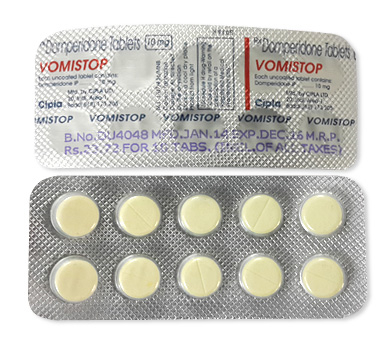
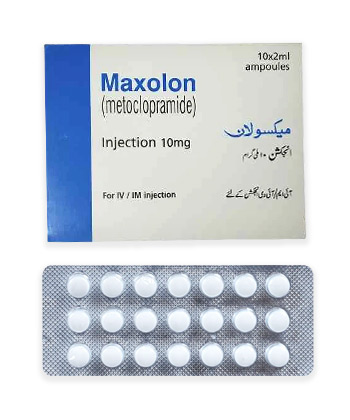
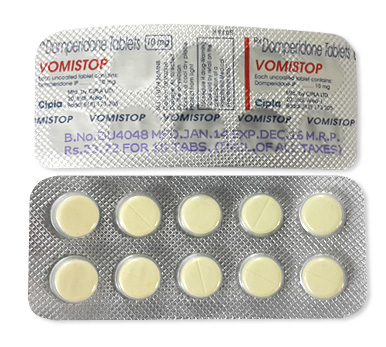
Domperidone and metoclopramide are prescription medications that enhance gastric motility, helping food move efficiently through the digestive system. These treatments are particularly valuable for individuals experiencing gastroparesis or delayed gastric emptying.
UK pharmacies stock various herbal supplements including ginger, peppermint oil, and digestive enzyme complexes derived from natural sources, offering gentle support for digestive wellness alongside conventional treatments.
Diarrhoea affects millions of people across the UK each year, ranging from acute episodes lasting a few days to chronic conditions requiring ongoing management. Understanding the difference between acute and chronic diarrhoea is crucial for selecting appropriate treatment. Acute diarrhoea, typically caused by viral infections, food poisoning, or medication side effects, usually resolves within 2-4 days. Chronic diarrhoea, persisting for more than four weeks, may indicate underlying conditions such as irritable bowel syndrome (IBS), inflammatory bowel disease, or food intolerances.
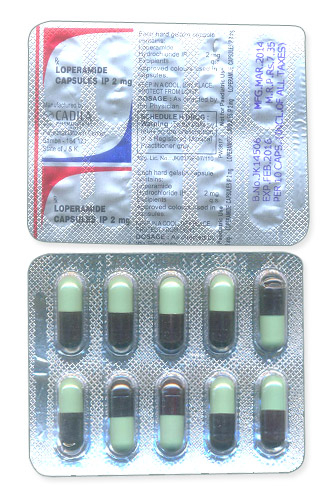
Loperamide, commonly known by the brand name Imodium, remains the gold standard for controlling diarrhoea symptoms. This over-the-counter medication works by slowing intestinal motility, allowing more water absorption and firmer stools. Racecadotril offers an alternative mechanism, reducing intestinal secretions whilst maintaining normal gut motility, making it particularly suitable for children and elderly patients.
Oral rehydration solutions play a vital role in preventing dehydration during diarrhoeal episodes. Popular UK brands include Dioralyte, Electrolade, and Rehidrat, which contain precisely balanced electrolytes and glucose to optimise fluid absorption. Probiotics containing Lactobacillus and Bifidobacterium strains help restore beneficial gut flora, particularly important after antibiotic-associated diarrhoea.
Seek urgent medical attention if diarrhoea is accompanied by:
For travellers, prevention includes careful food and water selection, whilst treatment may require specific antibiotics for bacterial infections common in certain destinations.
Constipation affects approximately 15% of the UK population, particularly elderly individuals and those with sedentary lifestyles. Effective management requires understanding the different types of laxatives available and selecting appropriate treatments based on severity and underlying causes.
Bulk-forming laxatives, including psyllium husk (Fybogel) and methylcellulose (Celevac), provide gentle relief by increasing stool volume and softness. These are ideal for long-term use and work naturally with the body's digestive processes. Osmotic laxatives such as lactulose and macrogol (polyethylene glycol) draw water into the bowel, making them particularly effective for chronic constipation management.
Stimulant laxatives, including senna and bisacodyl, should be reserved for occasional use as they work by stimulating bowel muscle contractions. Prolonged use may lead to dependency and reduced natural bowel function.
For immediate relief, glycerol suppositories provide local stimulation and lubrication, whilst phosphate enemas offer rapid results for severe cases. These should be used sparingly and under guidance.
Effective constipation management also includes:
Dietary fibre supplements containing inulin, wheat bran, or mixed fibres can bridge nutritional gaps whilst supporting natural digestive function and promoting regular bowel movements.
Nausea and vomiting can significantly impact daily life, whether caused by motion sickness, pregnancy, medications, or underlying medical conditions. Our comprehensive range of anti-nausea treatments provides effective relief for various situations and severity levels.
For travel-related nausea, hyoscine patches offer long-lasting protection for up to 72 hours, making them ideal for extended journeys. Hyoscine tablets provide shorter-term relief and are perfect for occasional travel. These medicines work by blocking signals in the brain that trigger motion sickness symptoms.
Several antihistamines effectively treat nausea and vomiting:
Morning sickness affects many pregnant women, particularly during the first trimester. We stock pregnancy-safe options that have been carefully evaluated for use during pregnancy. Ginger supplements offer a natural alternative that many women find helpful for mild nausea symptoms.
Ondansetron represents a highly effective treatment for severe nausea and vomiting, particularly useful for post-operative recovery and chemotherapy-induced symptoms. This prescription medication requires proper medical supervision and is typically reserved for cases where other treatments have proven insufficient.
Inflammatory bowel disease (IBD), including ulcerative colitis and Crohn's disease, requires comprehensive management combining medication, monitoring, and lifestyle support. Our IBD treatment range addresses both acute flare-ups and long-term maintenance therapy.
Mesalazine (5-ASA) preparations form the cornerstone of IBD treatment, available in various formulations including tablets, granules, and rectal preparations. These medications reduce inflammation in the bowel lining and help maintain remission. Sulfasalazine offers an alternative aminosalicylate option, particularly effective for maintenance therapy in both ulcerative colitis and Crohn's disease.
During IBD flare-ups, corticosteroids provide rapid anti-inflammatory relief. Prednisolone tablets offer systemic treatment for moderate to severe symptoms, whilst budesonide provides targeted action with reduced systemic side effects. These medications require careful monitoring and gradual dose reduction under medical supervision.
For patients requiring long-term disease control, immunosuppressants play a crucial role:
IBD patients often require additional nutritional support due to malabsorption and dietary restrictions. We provide specialised supplements including vitamin B12, folic acid, iron, and calcium preparations. Regular monitoring through specialist gastroenterology services ensures optimal treatment outcomes and early detection of complications. Patient education regarding medication adherence, symptom recognition, and when to seek medical attention remains essential for successful long-term management.