Diabetes is a chronic condition characterised by elevated blood glucose levels that affects millions of people across the UK. Understanding the different types of diabetes and their management approaches is essential for maintaining good health and preventing complications.
The two main types of diabetes have distinct characteristics and treatment requirements. Type 1 diabetes is an autoimmune condition where the pancreas produces little or no insulin. Whilst it typically appears in childhood or adolescence, it can develop at any age and requires lifelong insulin replacement therapy. Type 2 diabetes develops from insulin resistance and relative insulin deficiency, often linked to lifestyle factors and genetics. It usually develops in adulthood, though younger onset is becoming increasingly common.
Treatment approaches differ significantly between the types. Type 1 diabetes always requires insulin therapy due to immune-mediated destruction of insulin-producing cells. Type 2 diabetes treatment often begins with lifestyle modifications and oral medications, with insulin introduced when other measures fail to achieve adequate glucose control.
Blood glucose monitoring is crucial for both types of diabetes to guide therapy, prevent complications, and detect episodes of hypoglycaemia or hyperglycaemia. Healthcare professionals individualise glucose targets based on factors including age, existing health conditions, and risk of low blood sugar episodes.
Lifestyle modifications work alongside medication to improve outcomes:
Recognising warning signs and knowing when to contact healthcare professionals is vital for diabetes management. Seek medical advice for persistent high glucose readings, repeated episodes of low blood sugar, unexplained weight loss, or infections that fail to resolve properly.
Contact emergency services immediately for severe hypoglycaemia with loss of consciousness or seizures, or suspected diabetic ketoacidosis. Warning signs include markedly high glucose levels accompanied by vomiting, severe abdominal pain, rapid breathing, or breath with a fruity smell.
Effective diabetes management relies on regular blood glucose monitoring using appropriate testing supplies. The UK market offers a comprehensive range of monitoring equipment, from traditional finger-prick meters to advanced continuous glucose monitoring systems.
Blood glucose monitoring supplies include finger-prick glucose meters with compatible test strips, lancets and lancing devices for blood sampling, continuous glucose monitoring (CGM) systems for real-time tracking, and ketone testing strips for additional safety monitoring. Many of these supplies are available both privately and through NHS prescription depending on clinical criteria.
Leading glucose meter brands widely used across the UK include Accu-Chek, OneTouch, and FreeStyle. Each manufacturer offers various models with different features such as small blood sample requirements, rapid result times, memory storage, and smartphone connectivity for data management.
Continuous glucose monitoring systems provide real-time glucose trends and programmable alarms for high and low glucose levels. These devices are increasingly available through the NHS for people meeting specific clinical criteria and can also be purchased privately. CGM technology offers significant advantages for intensive diabetes management and reducing the frequency of finger-prick testing.
Ketone testing strips, available for both blood and urine testing, are particularly important for people with Type 1 diabetes or anyone experiencing significant hyperglycaemia. Blood ketone meters provide more accurate results than urine testing strips and are recommended during illness or when glucose levels are very high, helping to detect and prevent diabetic ketoacidosis.
NHS prescription eligibility for diabetes testing supplies depends on clinical need, diagnosis type, and local commissioning policies. People with Type 1 diabetes and those with Type 2 diabetes using insulin or medications that increase hypoglycaemia risk are more likely to qualify for NHS-funded supplies. Local NHS guidelines determine specific eligibility criteria, and routine prescribing practices may vary between different health authorities.
For those not eligible for NHS prescriptions, glucose meters, test strips, and CGM systems can be purchased privately from pharmacies and specialist medical suppliers throughout the UK. When choosing equipment, consider ongoing test strip costs alongside initial meter features, as this represents the primary long-term expense for glucose monitoring.
Managing diabetes effectively often requires insulin or other injectable medications to maintain proper blood glucose levels. Understanding the different types of insulin and injectable treatments available in the UK can help you work with your healthcare provider to find the most suitable treatment plan for your needs.
Insulin is categorised based on how quickly it begins to work and how long its effects last in your body:
Several trusted insulin brands are widely available through the NHS and UK pharmacies. NovoRapid is a popular rapid-acting insulin that helps control post-meal glucose spikes. Humalog is another rapid-acting option that works similarly to NovoRapid. For long-acting coverage, Lantus provides consistent 24-hour glucose control, whilst Levemir offers flexible dosing with reliable long-acting effects.
These newer medications help manage type 2 diabetes by stimulating insulin production when blood glucose levels are elevated. Ozempic is administered once weekly and has shown excellent results in both glucose control and weight management. Trulicity offers convenient once-weekly dosing with a pre-filled pen, whilst Victoza is taken daily and has been proven effective in reducing cardiovascular risks in diabetic patients.
Modern insulin delivery systems are designed for convenience and accuracy. Insulin pens are the most popular choice, offering precise dosing with easy-to-use pre-filled or refillable cartridges. Traditional syringes remain available for those who prefer this method or require specific dosing flexibility. Insulin pumps provide continuous insulin delivery and are particularly beneficial for individuals requiring intensive diabetes management.
Proper storage is essential for maintaining insulin effectiveness. Unopened insulin should be stored in the refrigerator between 2-8°C and never frozen. Once opened, most insulin can be kept at room temperature for 28 days. Always check the expiry date and inspect insulin for any clumping, frosting, or colour changes before use. Rotate injection sites regularly to prevent tissue damage and ensure consistent absorption.
All insulin and injectable diabetes medications require a prescription from a qualified healthcare provider in the UK. Most diabetes medications are available on the NHS, with eligible patients paying only the standard prescription charge or receiving free prescriptions if they qualify for exemptions. Your GP or diabetes specialist will determine the most appropriate medication based on your individual needs, and regular monitoring appointments are essential for optimal treatment outcomes.
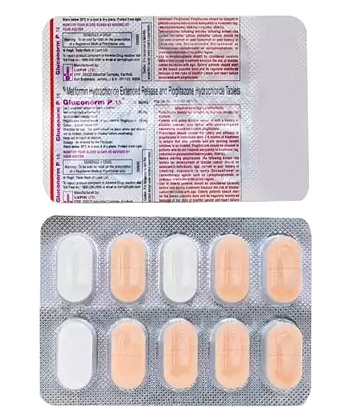
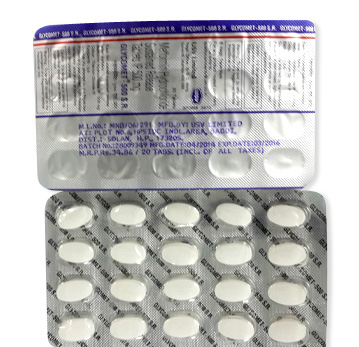
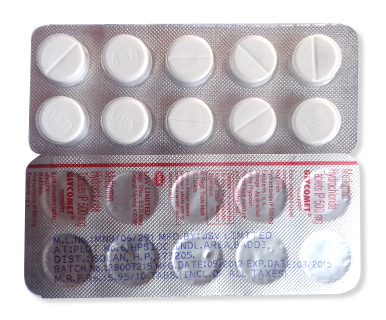
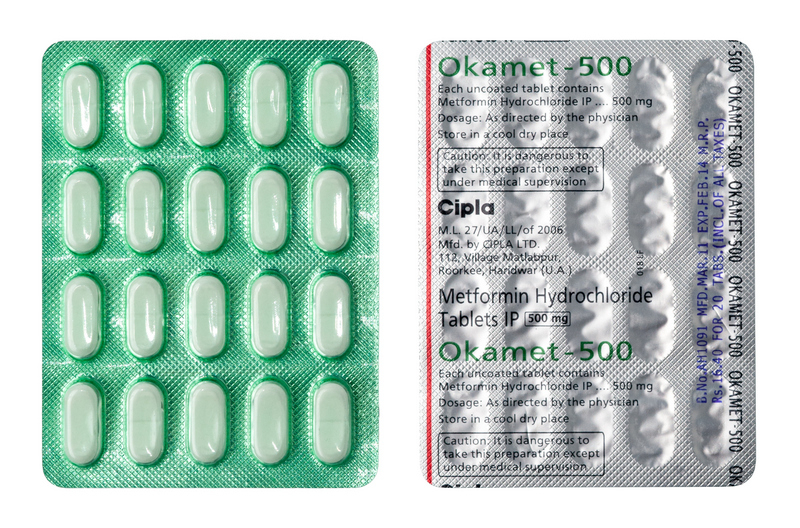
Metformin remains the gold standard first-line treatment for Type 2 diabetes across the UK. This medication works by reducing glucose production in the liver and improving insulin sensitivity in muscle tissues. Available in both immediate-release and extended-release formulations, metformin is typically well-tolerated and has an excellent safety profile. Most patients begin with a low dose, gradually increasing to minimise gastrointestinal side effects such as nausea or diarrhoea.
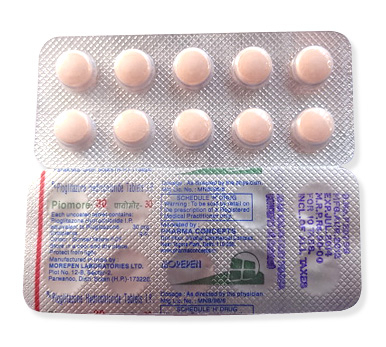
Sodium-glucose co-transporter 2 (SGLT2) inhibitors represent a newer class of diabetes medications that work by preventing glucose reabsorption in the kidneys. Popular options include Forxiga (dapagliflozin), Jardiance (empagliflozin), and Invokana (canagliflozin). These medications offer additional benefits beyond glucose control, including weight loss and cardiovascular protection. However, patients should be aware of potential side effects such as increased risk of urinary tract infections and the rare but serious condition of diabetic ketoacidosis.
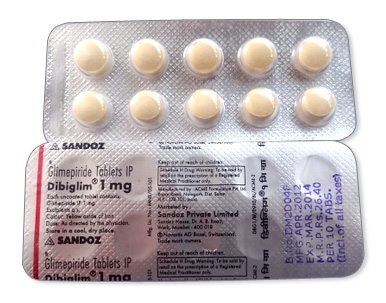
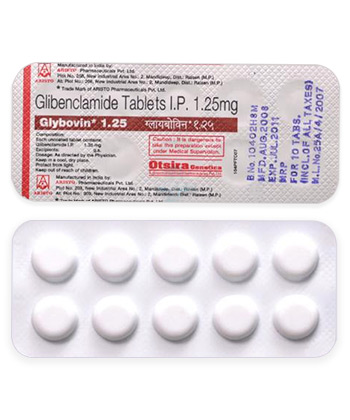
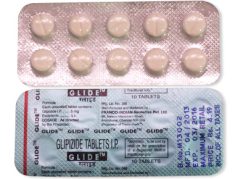
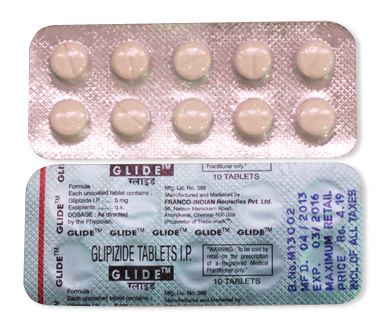
Sulfonylureas like Gliclazide and Glimepiride stimulate insulin release from pancreatic beta cells and remain cost-effective options for many patients. DPP-4 inhibitors such as Januvia (sitagliptin), Galvus (vildagliptin), and Onglyza (saxagliptin) work by increasing incretin levels, leading to improved glucose-dependent insulin secretion and reduced glucagon release.
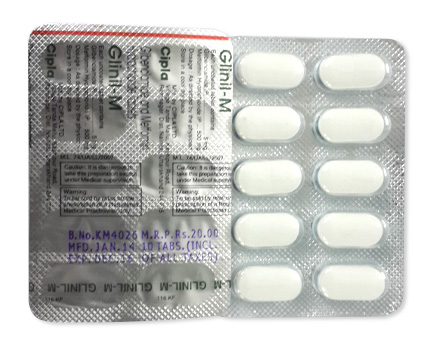
Combination tablets offer convenience and improved adherence by combining two or more diabetes medications in a single tablet. Common combinations include metformin with DPP-4 inhibitors or SGLT2 inhibitors. Before starting any diabetes medication, it's essential to consider contraindications such as kidney function, heart conditions, and potential drug interactions.
Proper diabetes management requires quality accessories and supplies. Insulin pen needles come in various lengths and gauges to suit different injection techniques and body types. Always use a new needle for each injection to maintain sterility and ensure comfortable administration. Sharps disposal containers are crucial for safe needle disposal and comply with UK healthcare waste regulations.
Glucose tablets and gels provide rapid treatment for low blood sugar episodes. These fast-acting carbohydrates are specifically formulated to raise blood glucose levels quickly and effectively. Keep these readily available at home, work, and whilst travelling.
Specially formulated nutritional drinks and snacks designed for people with diabetes help maintain stable blood sugar levels whilst providing essential nutrients. These products typically feature reduced carbohydrate content, added fibre, and balanced protein to support optimal glucose management. Meal replacement options can be particularly beneficial for weight management, which plays a crucial role in Type 2 diabetes control.
Certain vitamins and minerals may benefit people with diabetes, including vitamin D, B-complex vitamins, and magnesium. Chromium supplements may help improve insulin sensitivity, whilst alpha-lipoic acid has shown potential benefits for diabetic neuropathy. However, supplement needs vary significantly between individuals based on diet, medication regimen, and overall health status.
A wide range of sugar-free alternatives and artificial sweeteners enable people with diabetes to enjoy sweet flavours without significantly impacting blood glucose levels. Options include stevia, erythritol, xylitol, and aspartame-based products. These alternatives can be incorporated into baking, beverages, and everyday cooking.
Important Note: Always consult with your GP, diabetes specialist nurse, or pharmacist before starting any new supplements or making significant changes to your diabetes management routine. Professional guidance ensures supplements are appropriate for your individual circumstances and won't interact with your current medications.