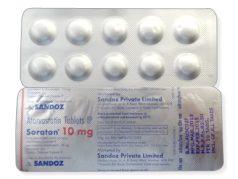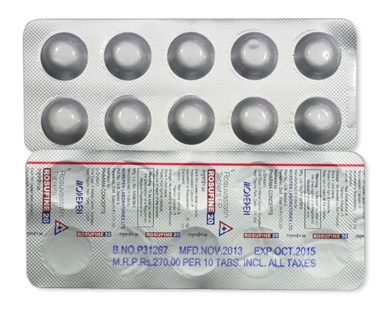
Cholesterol is a waxy, fat-like substance that occurs naturally in your body and is essential for various cellular functions. Your liver produces most of the cholesterol your body needs, whilst the remainder comes from dietary sources. Understanding the different types of cholesterol is crucial for managing your cardiovascular health effectively.
There are several key types of cholesterol that healthcare professionals monitor:
Normal cholesterol levels for UK adults are generally considered to be a total cholesterol level below 5.0 mmol/L, with LDL cholesterol below 3.0 mmol/L. However, target levels may vary based on individual risk factors and existing health conditions. Elevated cholesterol levels often develop due to factors including poor diet, lack of physical activity, smoking, excessive alcohol consumption, genetics, and certain medical conditions.
Proper cholesterol management is fundamental to maintaining cardiovascular health and preventing serious medical complications. High cholesterol levels, particularly elevated LDL cholesterol, significantly increase the risk of developing coronary heart disease, which remains one of the leading causes of death in the United Kingdom.
The link between cholesterol and cardiovascular disease is well-established through decades of medical research. When LDL cholesterol levels remain elevated, it can accumulate in the walls of arteries, forming plaques that narrow and harden these vital blood vessels. This process, known as atherosclerosis, restricts blood flow and can lead to serious complications including heart attacks, strokes, and peripheral artery disease.
The long-term consequences of unmanaged cholesterol extend beyond immediate cardiovascular risks. Chronic elevation can contribute to the development of diabetes, kidney disease, and other metabolic disorders. Conversely, maintaining healthy cholesterol levels through proper medication, diet, and lifestyle modifications can significantly reduce these risks and improve overall quality of life, potentially adding years to your lifespan whilst reducing the likelihood of requiring emergency medical intervention.
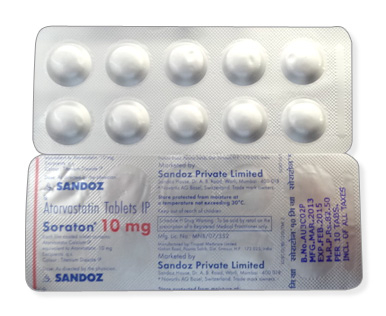
Statins represent the gold standard for cholesterol management and are the most commonly prescribed cholesterol-lowering medications in the UK. These medications work by inhibiting HMG-CoA reductase, an enzyme that plays a crucial role in cholesterol production within the liver. By blocking this enzyme, statins effectively reduce the amount of cholesterol your body manufactures, leading to lower overall cholesterol levels in the bloodstream.
The most frequently prescribed statins available through the NHS and private pharmacies in the UK include:
Clinical studies consistently demonstrate that statins not only lower cholesterol levels but also provide significant cardiovascular protection. Regular statin therapy can reduce the risk of heart attacks by approximately 25-35% and stroke risk by 20-25%. These medications require a prescription from a qualified healthcare provider, who will assess your individual risk factors, current health status, and potential drug interactions before recommending the most appropriate treatment option.
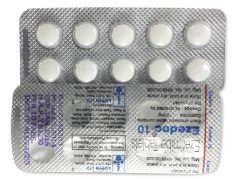
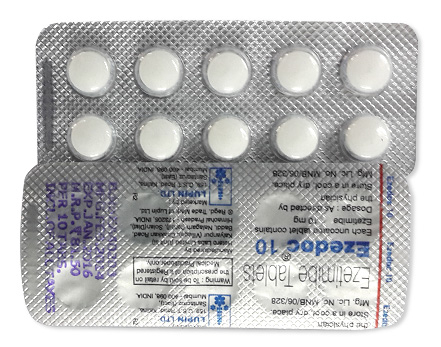
Ezetimibe works differently from statins by blocking cholesterol absorption in the small intestine. This medication is particularly useful for patients who cannot tolerate statins or need additional cholesterol reduction alongside their current therapy.
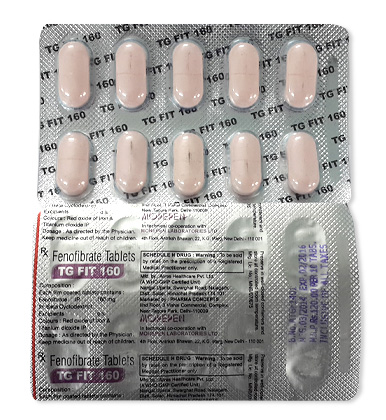
Fibrates are especially effective for patients with high triglyceride levels and low HDL cholesterol. These medications help reduce cardiovascular risk in specific patient populations and are often prescribed when statins alone are insufficient.
PCSK9 inhibitors represent the latest advancement in cholesterol management, delivered via injection every two weeks. These are typically reserved for patients with familial hypercholesterolaemia or those who haven't achieved target levels with other treatments.
Many patients benefit from combination approaches, such as statin plus ezetimibe tablets, which can provide enhanced cholesterol reduction whilst potentially allowing for lower statin doses and reduced side effects.
Cholesterol medications employ various mechanisms to reduce blood cholesterol levels effectively. Statins work by inhibiting HMG-CoA reductase, the key enzyme responsible for cholesterol production in the liver, typically reducing levels by 20-50%. Ezetimibe blocks cholesterol absorption in the intestine, preventing dietary cholesterol from entering the bloodstream. PCSK9 inhibitors enhance the liver's ability to remove LDL cholesterol from the blood by increasing LDL receptor activity. Most patients begin seeing significant improvements in their cholesterol levels within 4-6 weeks of starting treatment, with maximum benefits typically achieved within 8-12 weeks of consistent use.
Proper dosing and timing are crucial for optimal cholesterol management outcomes. Healthcare providers typically start with the lowest effective dose and adjust based on response and tolerance. Key administration guidelines include:
Regular monitoring through blood tests every 6-12 weeks initially, then every 3-6 months, helps ensure treatment effectiveness and safety whilst allowing for dose adjustments when necessary.
Cholesterol medications, particularly statins, are generally well-tolerated, but some patients may experience side effects. The most commonly reported side effect is muscle pain and weakness, which can range from mild discomfort to more severe muscle problems. This typically affects the larger muscle groups and may be accompanied by muscle tenderness or cramping.
Digestive issues are another frequent concern, with some patients experiencing nausea, constipation, diarrhoea, or stomach upset when starting cholesterol medication. These symptoms often improve as your body adjusts to the medication, usually within the first few weeks of treatment.
Liver function considerations are important as cholesterol medications can occasionally affect liver enzymes. Whilst serious liver problems are rare, your GP will monitor your liver function through regular blood tests to ensure the medication is not causing any adverse effects on this vital organ.
You should contact your healthcare provider immediately if you experience severe muscle pain, particularly if accompanied by dark-coloured urine, unexplained fatigue, or fever. Additionally, seek medical advice if you develop persistent digestive problems, yellowing of the skin or eyes, or any other concerning symptoms whilst taking cholesterol medication.
Several medications can interact with cholesterol-lowering drugs, potentially increasing the risk of side effects or reducing effectiveness. Important interactions include certain antibiotics, antifungal medications, blood thinners like warfarin, and some heart rhythm medications. Always inform your GP or pharmacist about all medications you're taking, including over-the-counter medicines and herbal supplements.
Certain foods and supplements should be avoided or consumed with caution whilst taking cholesterol medication. Grapefruit and grapefruit juice can significantly increase the concentration of some statins in your blood, potentially leading to increased side effects. Large amounts of alcohol should also be avoided as they can increase the risk of liver problems.
Special considerations apply to elderly patients, who may be more sensitive to cholesterol medications and require lower starting doses or more frequent monitoring. Age-related changes in kidney and liver function can affect how these medications are processed in the body.
Cholesterol medications are not recommended during pregnancy or breastfeeding due to potential risks to the developing baby. Women of childbearing age should discuss contraception with their GP and notify them immediately if pregnancy is suspected whilst taking these medications.
Regular blood tests are essential for monitoring the effectiveness and safety of cholesterol medication. Your GP will typically arrange blood tests every 6-12 weeks initially, then every 3-6 months once your cholesterol levels are stable. These tests measure not only your cholesterol levels but also check liver function and other important markers.
Target cholesterol levels vary depending on your individual risk factors, but generally, the NHS aims for total cholesterol below 5.0 mmol/L and LDL (bad) cholesterol below 3.0 mmol/L. For patients with existing heart disease or diabetes, targets may be lower, with LDL cholesterol ideally below 2.0 mmol/L or even 1.8 mmol/L.
Liver function monitoring involves checking specific enzymes that indicate how well your liver is working. If these levels become elevated, your GP may need to adjust your medication dose or consider alternative treatments. Most liver function changes are reversible when detected early through regular monitoring.
Treatment adjustments are made based on your blood test results, side effects experienced, and overall health status. Your GP may increase the dose if cholesterol levels remain high, switch to a different medication if side effects occur, or add additional cholesterol-lowering medications if needed.
Dietary modifications play a crucial role in cholesterol management alongside medication. Focus on reducing saturated fats found in red meat, full-fat dairy products, and processed foods. Instead, emphasise foods rich in soluble fibre such as oats, beans, and fruits, which can help lower cholesterol naturally.
Exercise recommendations include at least 150 minutes of moderate-intensity aerobic activity per week, such as brisk walking, cycling, or swimming. Regular physical activity not only helps lower cholesterol but also improves overall cardiovascular health and can enhance the effectiveness of cholesterol medications.
Weight management is particularly important as excess weight contributes to higher cholesterol levels and increased cardiovascular risk. Even modest weight loss of 5-10% can significantly improve cholesterol levels and reduce the need for higher medication doses.
Smoking cessation provides immediate and long-term benefits for cholesterol management and heart health. Stopping smoking improves HDL (good) cholesterol levels, reduces blood clot risk, and significantly decreases overall cardiovascular risk, making cholesterol medication more effective.
GP consultation requirements begin with an assessment of your cardiovascular risk, which includes reviewing your medical history, family history, lifestyle factors, and conducting necessary blood tests. Your GP will use established risk calculators to determine whether cholesterol medication is appropriate for your individual circumstances.
NHS eligibility criteria for cholesterol medication typically include having a 10-year cardiovascular risk of 10% or higher, existing cardiovascular disease, or specific conditions such as diabetes or familial hypercholesterolaemia. Your GP will explain whether you meet these criteria during your consultation.
Prescription charges and exemptions vary across the UK, with prescriptions free in Scotland, Wales, and Northern Ireland. In England, standard prescription charges apply unless you're eligible for exemptions, which include:
Repeat prescription services are available through your GP practice, allowing you to order regular medications without seeing the doctor each time. Many practices offer online ordering systems, telephone ordering, or postal requests for added convenience.
Private prescriptions may be needed if you don't meet NHS criteria but wish to take cholesterol medication, if you prefer a specific brand not available on the NHS, or if you need more convenient access to medication whilst travelling. Some patients choose private prescriptions for faster access or additional consultation time.
Cost considerations for private prescriptions include both the consultation fee and the full cost of the medication, which can be significantly higher than NHS prescription charges. However, this option provides greater flexibility and choice in treatment options.
Online pharmacy services are increasingly popular, offering convenient access to both NHS and private prescriptions. Reputable online pharmacies must be registered with the General Pharmaceutical Council (GPhC) and will require valid prescriptions from registered healthcare providers.
Delivery options available through most UK pharmacies include next-day delivery, standard postal delivery, and click-and-collect services. Many online pharmacies also offer automatic repeat prescription services, ensuring you never run out of your cholesterol medication.