High blood pressure, or hypertension, affects millions of people across the UK and is often called the "silent killer" because it typically has no symptoms whilst significantly increasing the risk of serious health complications. Proper management of elevated blood pressure is crucial for preventing heart attacks, strokes, and kidney damage, making it one of the most important cardiovascular conditions to monitor and treat effectively.
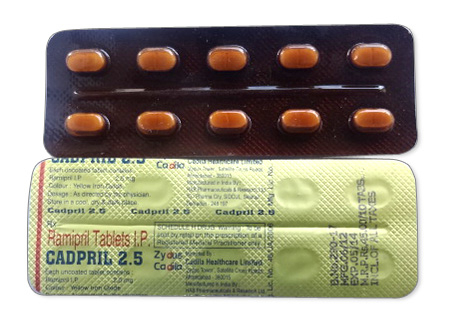
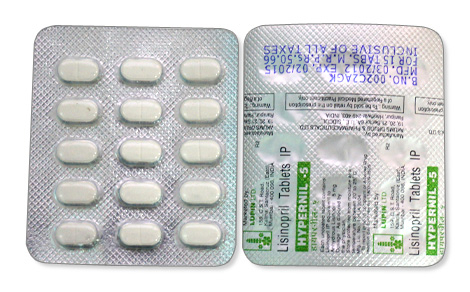
The NHS provides access to a comprehensive range of antihypertensive medications, each working through different mechanisms to lower blood pressure effectively:
UK clinical guidelines recommend a step-by-step approach to hypertension management, typically starting with lifestyle modifications and a single medication, then gradually increasing treatment intensity as needed. Target blood pressure ranges vary depending on age and underlying health conditions, with different goals for patients under 80 years (typically below 140/90 mmHg) and those over 80 (below 150/90 mmHg).
Regular monitoring is essential and includes frequent blood pressure checks, kidney function tests, and electrolyte level assessments. Patients should be aware of common side effects such as dizziness, fatigue, and ankle swelling, and understand the importance of drug interactions and contraindications with other medications.
Managing cholesterol levels is fundamental to preventing cardiovascular disease, particularly coronary heart disease and stroke. In the UK, cholesterol management follows evidence-based guidelines that focus on reducing low-density lipoprotein (LDL) cholesterol whilst supporting overall cardiovascular health through both medication and lifestyle interventions.
The UK healthcare system provides access to several classes of cholesterol-lowering medications:
UK clinical practice utilises the QRISK calculator to assess cardiovascular disease risk over the next 10 years, helping determine appropriate treatment thresholds and intensity. This tool considers factors including age, gender, ethnicity, medical history, and current health status to provide personalised risk assessments.
Dietary considerations play a crucial role in cholesterol management, with recommendations focusing on reducing saturated fat intake, increasing consumption of plant sterols and stanols, and ensuring adequate fibre intake. The Mediterranean diet pattern is often recommended as an evidence-based approach to cardiovascular health.
Comprehensive lifestyle factors include regular physical activity recommendations (at least 150 minutes of moderate-intensity exercise weekly), smoking cessation support, and weight management strategies. Monitoring protocols involve regular liver function tests to ensure medication safety, muscle enzyme monitoring to detect potential statin-related muscle problems, and ongoing cholesterol level tracking to assess treatment effectiveness and adjust therapy as needed.
Heart rhythm disorders, commonly known as arrhythmias, occur when the electrical impulses that coordinate your heartbeats don't work properly, causing your heart to beat too fast, too slow, or irregularly. These conditions affect millions of people across the UK and can range from harmless to life-threatening. Proper management with appropriate medications and monitoring is essential for maintaining heart health and preventing serious complications such as stroke.
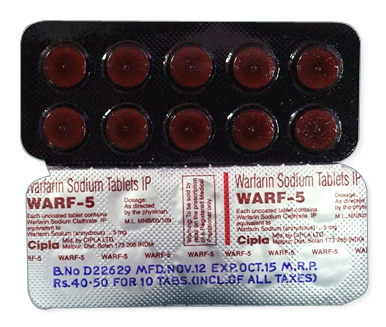
Anticoagulants are crucial for preventing blood clots and reducing stroke risk, particularly in patients with atrial fibrillation. Common options include:
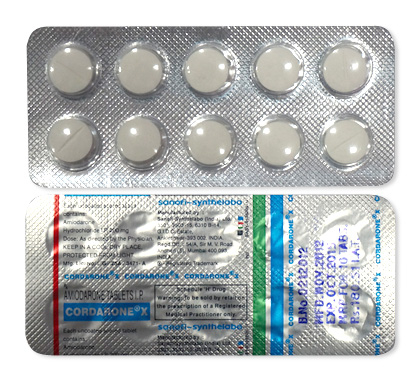
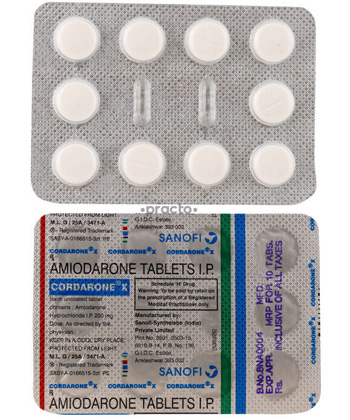
Antiarrhythmic drugs help restore and maintain normal heart rhythm. These include Amiodarone for various arrhythmias, Flecainide for atrial fibrillation and flutter, and Sotalol which combines antiarrhythmic and beta-blocking properties.
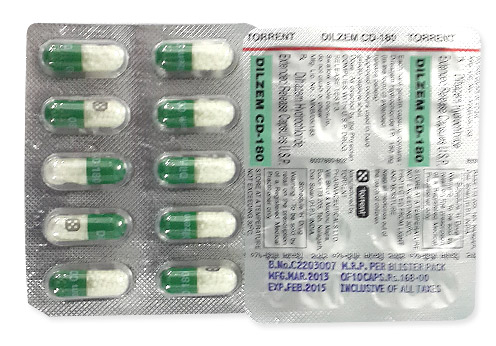
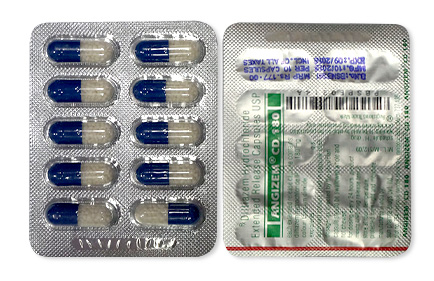
Rate control medications manage heart rate without necessarily restoring normal rhythm. Digoxin strengthens heart contractions whilst controlling rate, while calcium channel blockers like Verapamil and Diltiazem slow electrical conduction through the heart.
Atrial fibrillation is the most common arrhythmia, causing irregular and often rapid heart rate. Ventricular tachycardia involves fast heart rhythms originating in the heart's lower chambers and can be life-threatening. Bradycardia refers to abnormally slow heart rates, which may require pacemaker therapy.
Seek immediate medical attention if you experience chest pain, severe breathlessness, sudden dizziness, fainting, or if your heart rate exceeds 150 beats per minute or drops below 40 beats per minute whilst experiencing symptoms.
Heart failure occurs when your heart muscle becomes weakened or stiffened, making it unable to pump blood effectively around your body. This condition affects over 900,000 people in the UK and requires comprehensive management to improve quality of life, reduce symptoms, and prevent hospital admissions. Modern treatment approaches focus on protecting the heart muscle, managing fluid retention, and addressing underlying causes.
ACE inhibitors and ARB blockers form the cornerstone of heart failure treatment by reducing the workload on your heart and protecting against further damage. These medications help relax blood vessels and reduce the production of hormones that can worsen heart failure.
Beta-blockers specifically licensed for heart failure include:
Diuretics help remove excess fluid from your body, reducing swelling and breathlessness. Furosemide and Bumetanide are commonly prescribed loop diuretics that work by increasing urine production.
Aldosterone antagonists like Spironolactone and Eplerenone provide additional heart protection and help prevent dangerous changes in blood potassium levels.
SGLT2 inhibitors such as Dapagliflozin and Empagliflozin represent newer treatment options that have shown remarkable benefits in reducing heart failure hospitalisations and improving outcomes, regardless of diabetes status.
Common symptoms include breathlessness during activity or when lying flat, ankle and leg swelling, and persistent fatigue. Daily weight monitoring is crucial, as sudden weight gain may indicate fluid retention requiring medication adjustment.
Lifestyle modifications play a vital role in management. Fluid restriction to 1.5-2 litres daily may be recommended in advanced cases. Salt reduction to less than 6 grams daily helps prevent fluid retention. Gentle, regular exercise programmes tailored to your capacity can improve symptoms and overall fitness, though this should be discussed with your healthcare team first.
Regular monitoring of kidney function and electrolyte balance ensures medications remain safe and effective. Your healthcare provider will classify your condition using the NYHA system and may assess your heart's pumping function (ejection fraction) to guide treatment decisions.
Antiplatelet therapy plays a crucial role in preventing blood clots that can lead to heart attacks and strokes. These medications work by reducing the ability of blood platelets to stick together and form dangerous clots in your arteries. In the UK, antiplatelet therapy is commonly prescribed for patients who have experienced cardiovascular events or are at high risk of developing them.
Several antiplatelet medications are readily available through NHS prescriptions and UK pharmacies:
Healthcare professionals distinguish between primary prevention (preventing first-time events in high-risk patients) and secondary prevention (preventing recurrent events in patients who have already experienced cardiovascular problems). Risk assessment tools help determine the most appropriate treatment approach based on individual patient factors including age, blood pressure, cholesterol levels, and diabetes status.
The duration of antiplatelet therapy varies significantly depending on the clinical situation. Some patients may require short-term treatment following procedures, whilst others need lifelong therapy. Healthcare providers carefully balance the benefits of clot prevention against the increased risk of bleeding complications. Regular monitoring and patient education about recognising bleeding signs are essential components of safe antiplatelet therapy management.
Angina, characterised by chest pain due to reduced blood flow to the heart muscle, affects hundreds of thousands of people across the UK. Effective management combines medications to relieve symptoms, improve exercise tolerance, and prevent heart attacks with lifestyle modifications and, when necessary, surgical interventions.
The UK healthcare system provides access to a comprehensive range of angina medications through NHS prescriptions:
Angina management involves two distinct approaches: acute treatment for immediate symptom relief and chronic management for daily prevention. Patients are taught to recognise their symptoms and use fast-acting medications like GTN spray when chest pain occurs. Meanwhile, daily preventive medications work to reduce the frequency and severity of angina episodes and lower the risk of heart attacks.
The NHS provides comprehensive cardiac rehabilitation programmes throughout the UK, combining supervised exercise training with education about heart-healthy lifestyle choices. These programmes significantly improve outcomes for patients with coronary heart disease, helping them return to active, fulfilling lives whilst reducing their risk of future cardiovascular events.
Successful angina management requires active patient participation in recognising symptoms, understanding when to use emergency medications, and knowing when to seek immediate medical attention. Patients learn to distinguish between stable angina patterns and warning signs that may indicate unstable angina or heart attack, ensuring prompt access to emergency care when needed.