Cancer is a complex group of diseases characterised by the uncontrolled growth and spread of abnormal cells throughout the body. These cells develop when normal cellular processes become disrupted, causing cells to divide rapidly and form tumours or spread to other parts of the body through the bloodstream or lymphatic system. Understanding how cancer develops is crucial for effective treatment and management.
In the United Kingdom, several types of cancer are commonly diagnosed, with breast cancer, lung cancer, prostate cancer, and bowel cancer being amongst the most prevalent. The NHS reports that one in two people will develop some form of cancer during their lifetime, making it essential to understand available treatment options and the importance of early detection through regular screening programmes.
Modern cancer treatment employs various therapeutic approaches, each designed to target cancer cells through different mechanisms:
Cancer medications work by interfering with the cancer cell's ability to grow, divide, or spread. Some treatments target rapidly dividing cells, whilst others focus on specific molecular pathways that cancer cells depend upon for survival. The effectiveness of these treatments often depends on the type and stage of cancer, as well as the patient's overall health.
Early detection through regular screening and prompt professional medical guidance significantly improve treatment outcomes. Healthcare professionals work closely with patients to develop personalised treatment plans that may combine multiple therapeutic approaches for optimal results.
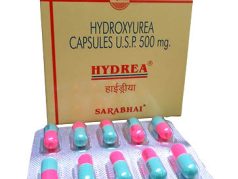
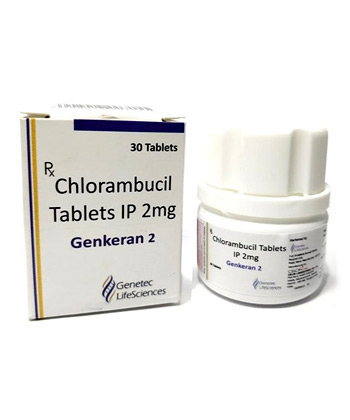
Chemotherapy remains a cornerstone of cancer treatment in the United Kingdom, with numerous medications available through both NHS services and private pharmacies. These powerful drugs work by targeting rapidly dividing cells, including cancer cells, though they may also affect healthy cells that divide quickly, such as those in hair follicles and the digestive system.
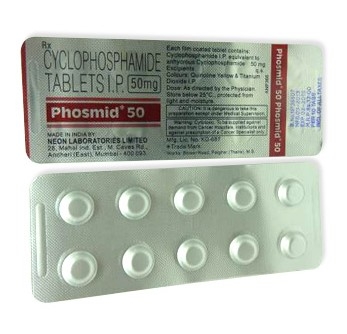
Several well-established chemotherapy medications are widely used in UK oncology centres. Cyclophosphamide is frequently prescribed for various cancers including breast cancer and lymphomas, working by damaging DNA in cancer cells. Doxorubicin, often called the "red devil" due to its distinctive colour, is effective against breast cancer, lung cancer, and soft tissue sarcomas. Platinum-based drugs like Cisplatin and Carboplatin are particularly effective for ovarian, lung, and testicular cancers, forming cross-links in DNA that prevent cancer cells from replicating.
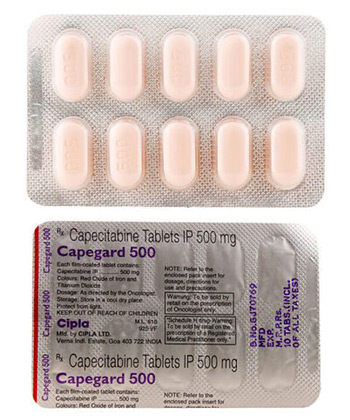
Oral chemotherapy has revolutionised cancer treatment by allowing patients to receive treatment at home whilst maintaining their quality of life. Capecitabine, commonly prescribed for breast and colorectal cancers, is converted to its active form within the body and offers the convenience of tablet administration. Temozolomide is particularly important for brain tumour treatment and is available in capsule form, allowing for precise dosing schedules.
These medications are available through specialist oncology pharmacies and hospital pharmacies across the UK, ensuring patients have access to essential cancer treatments. Healthcare teams carefully monitor patients receiving chemotherapy to manage side effects and adjust dosing as needed for optimal therapeutic outcomes.
Modern cancer treatment has revolutionised through targeted therapy, offering patients more precise and effective therapeutic options. Unlike traditional chemotherapy that affects all rapidly dividing cells, targeted medications specifically attack cancer cells whilst minimising damage to healthy tissue. This approach has transformed outcomes for many cancer patients across the UK.
Several breakthrough targeted therapy drugs have become cornerstone treatments in oncology. Imatinib (Glivec) has revolutionised chronic myeloid leukaemia treatment, whilst Trastuzumab (Herceptin) targets HER2-positive breast cancers. Rituximab has proven highly effective against certain blood cancers, particularly non-Hodgkin's lymphoma and chronic lymphocytic leukaemia.
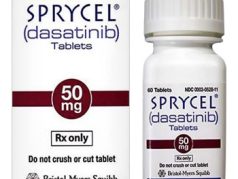
Tyrosine kinase inhibitors represent a significant advancement in targeted cancer therapy. These medications work by blocking specific enzymes that promote cancer cell growth and division:
Monoclonal antibodies form another crucial category of targeted therapies, engineered to recognise specific proteins on cancer cells. These treatments can block growth signals, deliver toxic substances directly to cancer cells, or mark them for destruction by the immune system.
Personalised medicine has become increasingly important in cancer care, with genetic testing and tumour markers guiding treatment decisions. UK oncologists now routinely test for specific genetic mutations and biomarkers to determine the most appropriate targeted therapy for individual patients, ensuring optimal treatment outcomes whilst reducing unnecessary side effects.
Hormone therapy plays a crucial role in treating hormone-sensitive cancers, particularly breast and prostate cancers. These treatments work by either blocking hormone production or preventing hormones from stimulating cancer cell growth. For many patients in the UK, hormone therapy represents an essential component of their comprehensive cancer treatment plan.
Selective Estrogen Receptor Modulators (SERMs) are particularly effective in treating hormone receptor-positive breast cancer. Tamoxifen remains the gold standard treatment, successfully blocking oestrogen receptors in breast tissue for over four decades. Raloxifene offers an alternative option, particularly beneficial for postmenopausal women as it also helps prevent osteoporosis whilst reducing breast cancer risk.
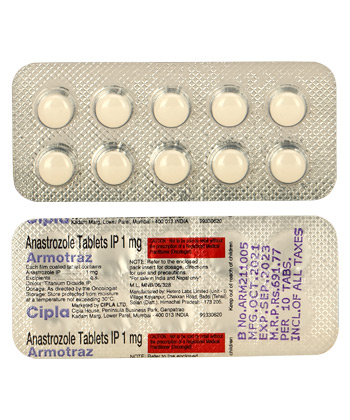
Aromatase inhibitors have become standard treatment for postmenopausal women with hormone-positive breast cancer. These medications effectively reduce oestrogen production throughout the body:
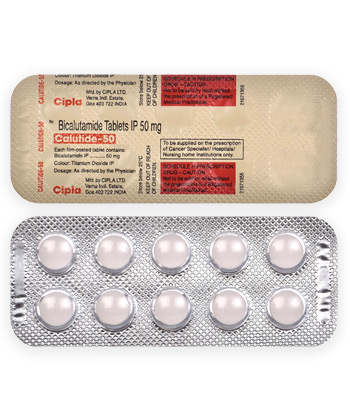
Anti-androgen therapy addresses hormone-sensitive prostate cancer by blocking testosterone's effects on cancer cells. Bicalutamide provides effective androgen receptor blockade, whilst newer agents like Enzalutamide offer enhanced potency for advanced prostate cancer cases.
Long-term hormone suppression medications, including GnRH agonists and antagonists, provide sustained hormone level reduction. These treatments require careful monitoring and supportive care to manage potential side effects whilst maximising therapeutic benefits for UK cancer patients.
Managing cancer treatment side effects is crucial for maintaining quality of life during therapy. Our pharmacy stocks a comprehensive range of supportive care medications to help patients cope with the challenges of cancer treatment.
Chemotherapy-induced nausea and vomiting can significantly impact treatment adherence. We provide effective anti-emetic medications including Ondansetron for immediate relief, Metoclopramide for gastric motility support, and Dexamethasone to reduce inflammation and enhance anti-nausea effects when used in combination therapy.
Beyond nausea control, we offer medications to address various chemotherapy side effects such as mouth ulcers, peripheral neuropathy, and fatigue. Our pharmacists provide personalised guidance on timing and administration to maximise effectiveness whilst minimising interactions with cancer treatments.
Maintaining proper nutrition during cancer treatment is essential. We stock specialised nutritional supplements, appetite stimulants, and vitamin formulations designed for cancer patients. For pain management, we provide a range of analgesics from mild pain relievers to prescription opioids, ensuring appropriate pain control at every stage of treatment. Additionally, we supply infection prevention medications and immune system support for immunocompromised patients undergoing treatment.
Most cancer medications are available through NHS prescription services via specialist cancer centres and oncology departments. These centres work closely with hospital pharmacies to ensure patients receive their prescribed treatments promptly and safely.
For patients seeking private treatment or faster access to newer medications, private prescription services are available. However, cancer drugs can be costly, and several support options exist:
Access to innovative treatments through clinical trials provides opportunities for cutting-edge therapies. Our pharmacy meets strict dispensing requirements for cytotoxic medications, including specialised handling, storage, and staff training. We also offer convenient home delivery services for cancer patients who may have difficulty travelling, ensuring continuous access to essential medications whilst maintaining safety protocols and proper storage conditions.