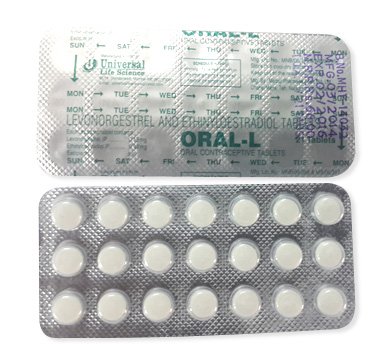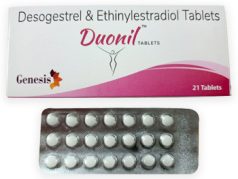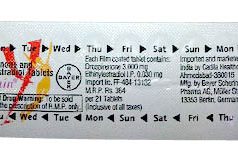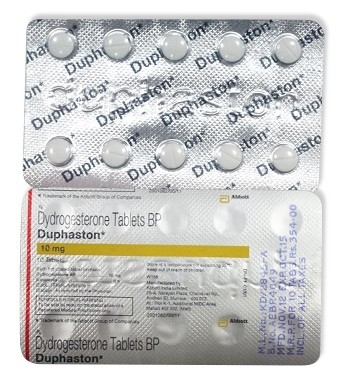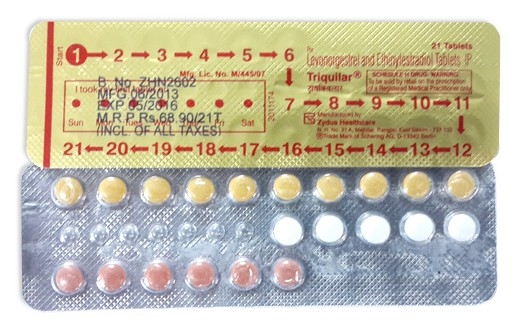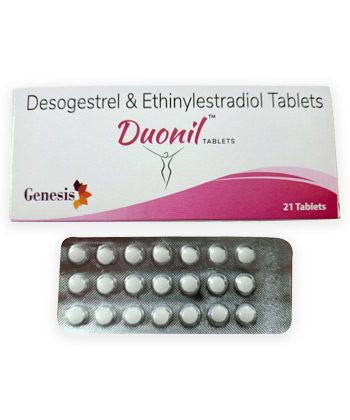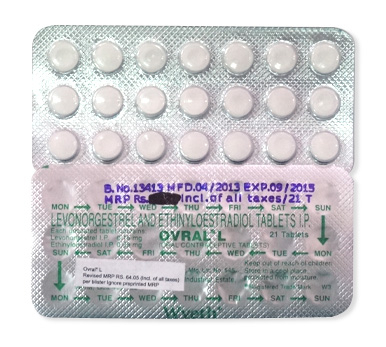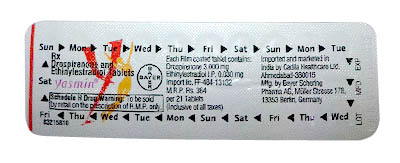
Combined oral contraceptive pills, commonly known as "the pill," contain two synthetic hormones: oestrogen and progestogen. These hormones work together to prevent pregnancy through multiple mechanisms. They suppress ovulation by preventing the release of eggs from the ovaries, thicken cervical mucus to make it difficult for sperm to reach an egg, and thin the lining of the womb to reduce the likelihood of implantation.
Several trusted brands of combined contraceptive pills are readily available through UK pharmacies and GP surgeries. Popular options include:
When used correctly, combined oral contraceptive pills are over 99% effective at preventing pregnancy. For optimal effectiveness, pills must be taken at the same time every day without missing doses. Most combined pills follow a 21-day cycle with a 7-day break, during which withdrawal bleeding occurs. Some formulations offer continuous use options to reduce the frequency of periods.
Combined pills are suitable for most healthy women of reproductive age. However, they are not recommended for women over 35 who smoke, those with a history of blood clots, stroke, or certain heart conditions, women with severe liver disease, or those with certain types of migraine. Women with breast cancer or unexplained vaginal bleeding should also avoid combined pills. A thorough medical assessment is essential before starting any combined contraceptive.
Whilst many women experience no significant side effects, some may notice breast tenderness, mood changes, nausea, or breakthrough bleeding during the first few months. These typically settle as the body adjusts. Beyond contraception, combined pills offer additional benefits including more regular, lighter periods, reduced menstrual pain, and potential improvements in acne. They may also provide protection against ovarian and endometrial cancers.
Progestogen-only pills, often called mini pills or POPs, contain only synthetic progestogen hormone without oestrogen. This makes them suitable for women who cannot use oestrogen-containing contraceptives. They work primarily by thickening cervical mucus and altering the womb lining, and in some cases may suppress ovulation. The absence of oestrogen means they carry fewer restrictions and health risks compared to combined pills.
Several progestogen-only pill options are available in the UK, each containing different types of progestogen:
Progestogen-only pills are particularly valuable for women who cannot use combined pills. They are safe for breastfeeding mothers as they do not affect milk production or quality, and can be started as early as three weeks after delivery. Women over 35 who smoke can safely use mini pills, as they do not carry the increased cardiovascular risks associated with oestrogen. They are also suitable for women with diabetes, high blood pressure, or a history of migraine.
Mini pills require precise timing for maximum effectiveness. Traditional progestogen-only pills must be taken within the same 3-hour window daily, whilst desogestrel-based pills (Cerazette and Cerelle) offer a 12-hour window. When taken correctly, they are over 99% effective. The effectiveness can be reduced by vomiting, severe diarrhoea, or certain medications, so backup contraception may be necessary in these circumstances.
Side effects are generally mild and may include irregular bleeding patterns, which are the most common concern for users. Some women experience breast tenderness, headaches, or mood changes. Unlike combined pills, mini pills are taken continuously without breaks, which means periods may become irregular, lighter, or stop altogether. This is normal and not harmful, though some women may need time to adjust to these changes in their menstrual cycle.
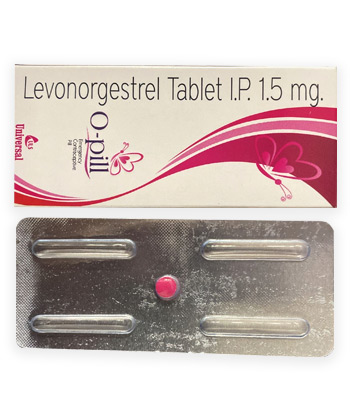
Emergency contraception is needed when regular contraceptive methods have failed, been forgotten, or when unprotected sex has occurred. It's designed to prevent pregnancy after intercourse has already taken place, but it's not intended as a regular form of birth control.
There are several emergency contraceptive options available:
Emergency contraception is available from pharmacies, GP surgeries, sexual health clinics, and some A&E departments. Many pharmacies offer private consultations, and the service is free on the NHS for most people. After taking the morning-after pill, you may experience side effects such as nausea, headache, or changes to your next period. If vomiting occurs within 3 hours of taking the pill, you may need another dose.
Long-Acting Reversible Contraception (LARC) methods provide effective birth control for extended periods without requiring daily attention. These methods are over 99% effective at preventing pregnancy and are considered the most reliable forms of contraception available.
LARC methods offer significant advantages over daily contraceptive pills. They eliminate the risk of forgetting to take daily medication, maintain consistent hormone levels, and provide immediate reversibility when removed. Most LARC methods are available free on the NHS and can be fitted at GP surgeries or sexual health clinics. These methods are particularly suitable for women seeking reliable, long-term contraception without the commitment of permanent sterilisation.
Barrier methods provide effective contraception by physically preventing sperm from reaching an egg. These methods are available without prescription and offer additional protection against sexually transmitted infections.
When used correctly, male condoms are approximately 98% effective, whilst female condoms are around 95% effective. Diaphragms with spermicide achieve 92-96% effectiveness rates. Importantly, condoms are the only contraceptive method that also provides significant protection against STIs, including HIV, chlamydia, and gonorrhoea.
Selecting appropriate contraception is a personal decision that depends on various individual factors. The most suitable method varies significantly between individuals based on their unique circumstances and preferences.
When choosing contraception, consider your lifestyle, relationship status, and family planning goals. Factors such as frequency of sexual activity, comfort with hormone-based methods, and desire for long-term versus short-term contraception all influence the best choice for you.
Medical history plays a crucial role in contraceptive selection. Conditions such as high blood pressure, migraines with aura, or blood clotting disorders may contraindicate certain hormonal methods. Age, smoking status, and current medications also affect suitability.
Consulting with healthcare professionals ensures you receive personalised advice. GPs, practice nurses, and contraceptive clinic specialists can discuss all available options and help you make an informed decision.
Most contraceptive methods are available free through the NHS via GP surgeries, sexual health clinics, and some pharmacies. Private options provide additional choice and convenience for those who prefer them.