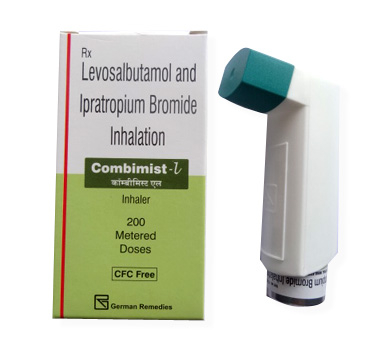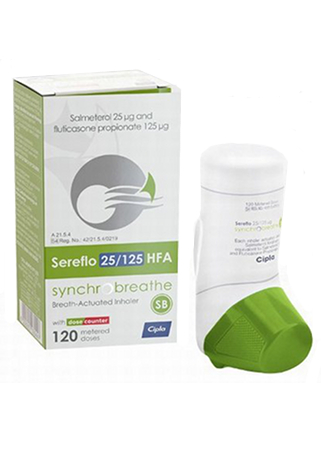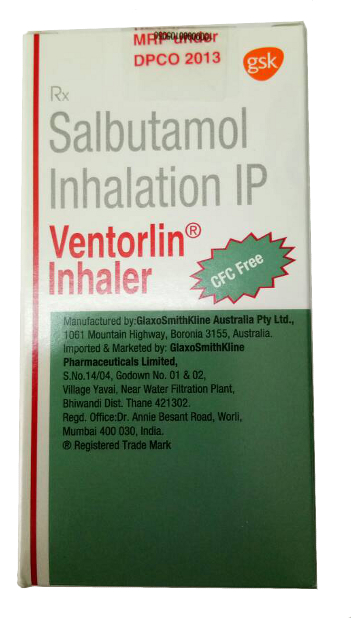
Asthma is a chronic respiratory condition that affects the airways in your lungs, causing them to become inflamed, narrow, and produce excess mucus. This makes breathing difficult and can trigger coughing, wheezing, and shortness of breath. During an asthma episode, the muscles around the airways tighten, further restricting airflow and making it challenging to breathe normally.
Asthma symptoms can vary from person to person but commonly include persistent coughing (especially at night), wheezing, chest tightness, and difficulty breathing. Common triggers that can worsen asthma symptoms include allergens such as pollen, dust mites, pet dander, mould, cold air, exercise, stress, certain medications, and respiratory infections. Identifying and avoiding your personal triggers is crucial for effective asthma management.
There are several types of asthma, each with distinct characteristics:
Asthma affects approximately 5.4 million people in the UK, including 1.1 million children. It's one of the most common chronic conditions in the country, with someone experiencing an asthma attack every 10 seconds. Whilst asthma can develop at any age, it often begins in childhood, with many cases diagnosed before the age of five. However, adult-onset asthma is also common, particularly in women during their 20s and 30s.
You should seek immediate medical attention if you experience severe breathing difficulties, cannot speak in full sentences due to breathlessness, have a rapid pulse, feel drowsy or confused, or if your reliever inhaler isn't helping. For routine care, consult your GP or asthma nurse if your symptoms are worsening, you're using your reliever inhaler more than three times a week, or if your asthma is affecting your daily activities or sleep.
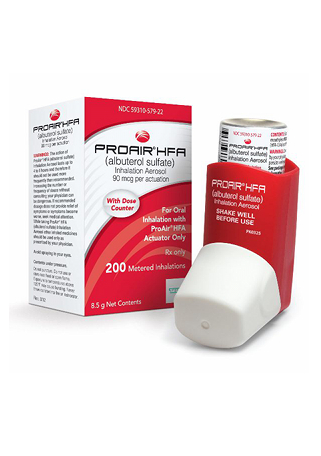
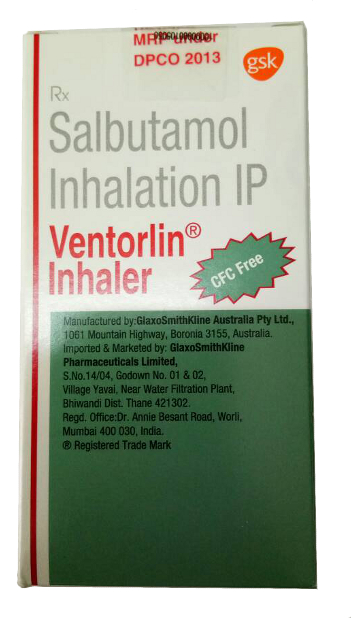
Reliever inhalers, also known as bronchodilators, are essential quick-relief medications designed to provide immediate relief during asthma symptoms or attacks. These medications work by relaxing the muscles around the airways, allowing them to open wider and making breathing easier. They typically take effect within minutes and provide relief for up to four hours, making them crucial for managing acute asthma symptoms.
Salbutamol is the most commonly prescribed reliever medication in the UK, available under various brand names including Ventolin, Airomir, and Salamol. This short-acting beta-2 agonist works quickly to relieve asthma symptoms by targeting specific receptors in the airway muscles. Salbutamol inhalers are typically blue in colour and should be carried with you at all times for emergency use.
Terbutaline, marketed as Bricanyl, is another effective reliever medication that works similarly to salbutamol. It's particularly useful for people who may not respond well to salbutamol or experience side effects. Bricanyl inhalers are usually grey and blue in colour and provide the same quick-relief benefits for asthma symptoms.
Using the correct inhaler technique is vital for ensuring the medication reaches your lungs effectively. Remove the cap, shake the inhaler, breathe out gently, place your lips around the mouthpiece, press down whilst breathing in slowly and deeply, hold your breath for 10 seconds, then breathe out slowly. Spacer devices can significantly improve medication delivery, especially for children or those who struggle with coordination. These devices attach to your inhaler and hold the medication in a chamber, allowing you to breathe it in more easily.
Use your reliever inhaler when you experience asthma symptoms such as wheezing, coughing, chest tightness, or shortness of breath. You may also use it before exercise if you have exercise-induced asthma. Generally, you can take 1-2 puffs as needed, and if symptoms don't improve within 5-10 minutes, you may take another dose. However, if you're using your reliever inhaler more than three times a week, consult your healthcare provider as this may indicate your asthma isn't well controlled.
Common side effects of reliever inhalers include mild tremor (shakiness), increased heart rate, headache, and muscle cramps. These effects are usually temporary and mild. However, seek medical advice if you experience chest pain, severe headaches, or irregular heartbeat. Always check the expiry date of your inhaler, keep it clean and dry, and ensure you have a spare inhaler available. If you're pregnant, breastfeeding, or taking other medications, discuss with your pharmacist or GP before use.
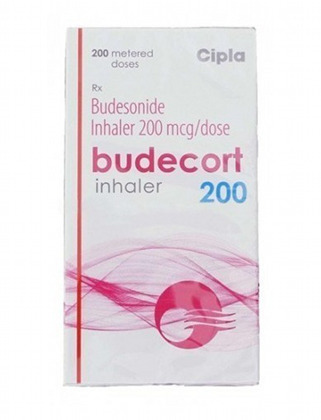
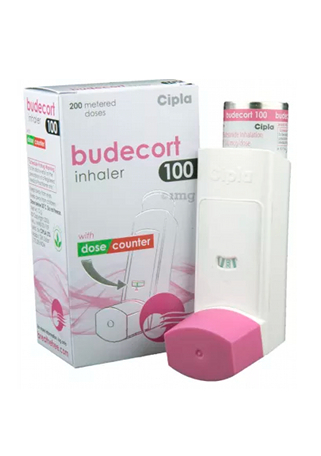
Preventer inhalers are the cornerstone of asthma management, working to reduce inflammation in your airways and prevent asthma symptoms from occurring. Unlike reliever inhalers used during attacks, preventer medications contain corticosteroids that must be taken daily to build up protection over time, even when you're feeling perfectly well.
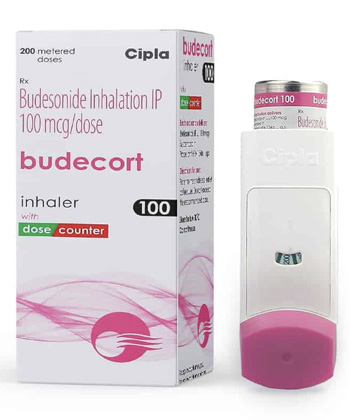
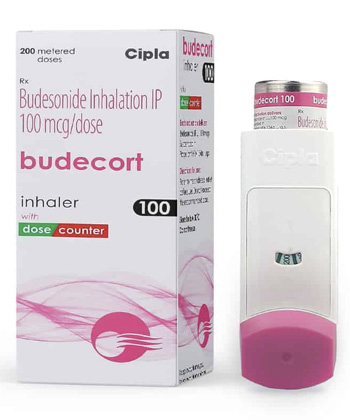
The most commonly prescribed preventer inhalers in the UK contain corticosteroids such as beclometasone, budesonide, and fluticasone. Popular brands include:
Consistent daily use is crucial for preventer inhalers to be effective. Many people make the mistake of stopping their preventer when they feel better, but this can lead to a gradual return of symptoms and increased risk of asthma attacks.
Using correct inhaler technique ensures the medication reaches your lungs effectively. Always rinse your mouth thoroughly with water after using a corticosteroid inhaler to prevent oral thrush and hoarseness. Long-term benefits include better symptom control, fewer attacks, and improved quality of life, whilst potential side effects are generally minimal when used as directed.
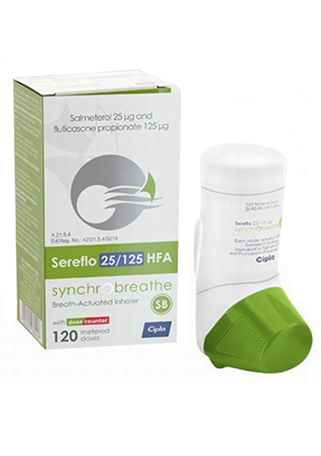
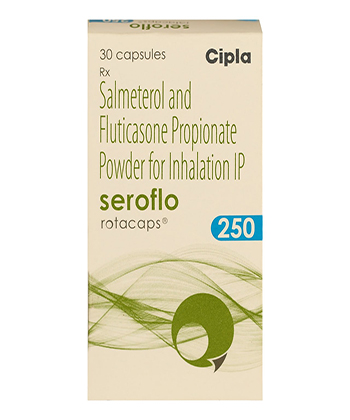
Combination inhalers contain two active ingredients in one device, typically combining a corticosteroid with a long-acting bronchodilator. This approach offers enhanced convenience and improved treatment adherence whilst providing both anti-inflammatory and bronchodilator effects.
The most common combination inhalers available on the NHS include:
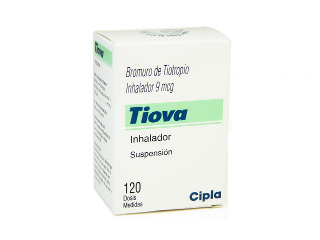
For severe asthma that remains poorly controlled, doctors may prescribe LAMA (long-acting muscarinic antagonist) treatments, which provide additional bronchodilation through a different mechanism.
Oral medications such as montelukast (leukotriene receptor antagonist) may be added for additional control, particularly in patients with allergic asthma. Short courses of oral prednisolone are sometimes necessary during severe exacerbations.
For patients with severe, difficult-to-control asthma, biologic treatments such as omalizumab, mepolizumab, or benralizumab may be considered by specialist respiratory consultants. These targeted therapies are typically reserved for specific asthma phenotypes and require careful patient selection and monitoring.
Working with your GP to develop a personalised asthma action plan is essential for effective management. This written plan outlines your daily medications, identifies your personal triggers, and provides clear instructions for managing worsening symptoms. Your action plan should include your normal peak flow readings, current medications, and step-by-step guidance for different scenarios.
Common asthma triggers include pollen, dust mites, pet dander, cold air, and stress. Peak flow monitoring helps track your lung function and detect early warning signs of deteriorating asthma control. Regular monitoring can help you and your healthcare provider adjust treatment before symptoms worsen.
Lifestyle modifications can significantly improve asthma control:
When travelling, always carry sufficient medication, keep inhalers in hand luggage, and research local healthcare facilities. Store medications in cool, dry places and check expiry dates regularly.
Severe asthma attacks require immediate medical attention. Call 999 immediately if you experience difficulty speaking in full sentences, blue lips or fingernails, severe breathlessness, or if your reliever inhaler isn't helping. Emergency signs include feeling exhausted, confusion, or if your peak flow drops below 50% of your best reading.
During an asthma emergency, sit upright, take one puff of your reliever inhaler every 30-60 seconds up to 10 puffs, and call 999 if symptoms don't improve. Never leave someone having a severe attack alone, and accompany them to A&E if necessary.
The NHS provides comprehensive asthma support through annual asthma reviews with practice nurses or GPs. These appointments monitor your condition, review medication effectiveness, and update your action plan. Asthma UK offers valuable resources including:
Prescription exemption certificates can help reduce medication costs for those with chronic asthma requiring regular treatment.