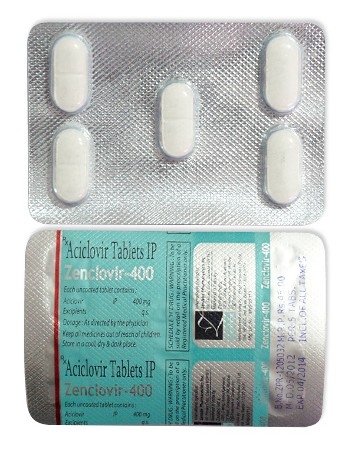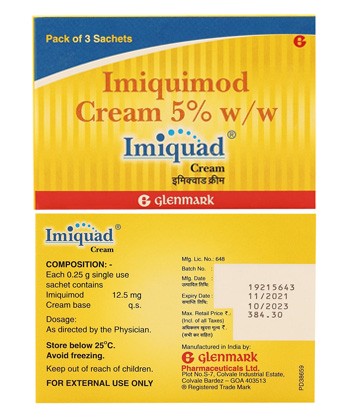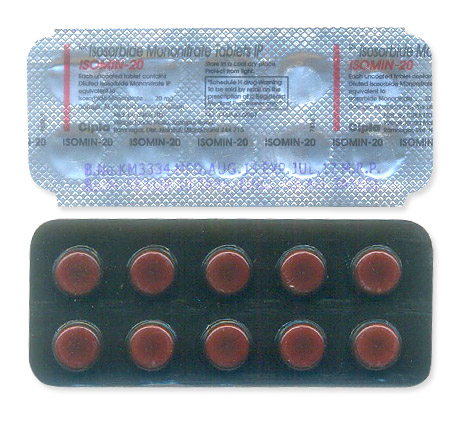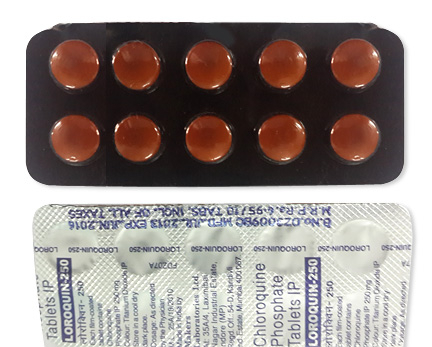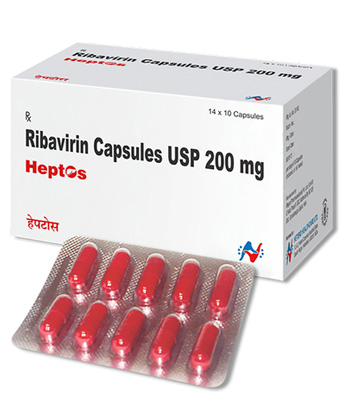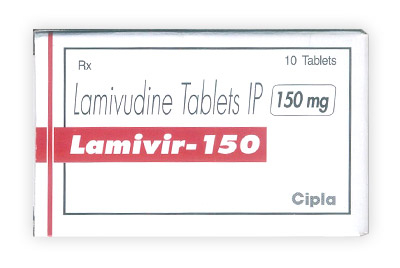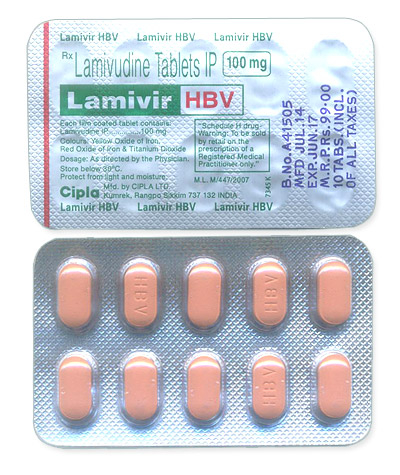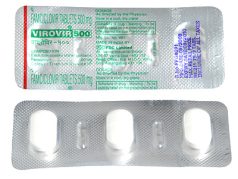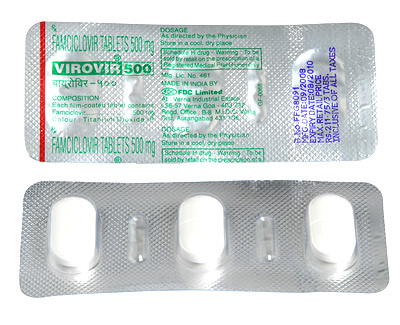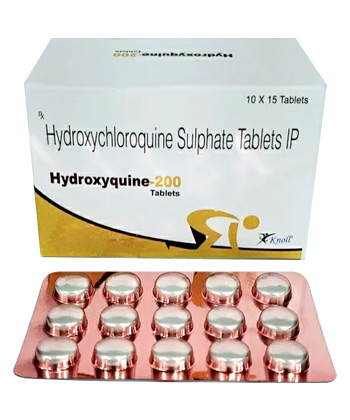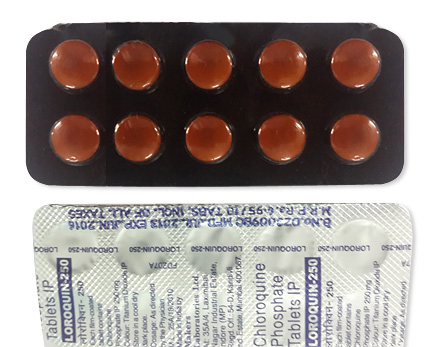
Antiviral medications are specialised medicines designed to combat viral infections by targeting specific stages of the virus lifecycle. Unlike antibiotics which fight bacterial infections, antivirals work by inhibiting virus replication within the body's cells, preventing the spread of infection to healthy tissue. These medicines are particularly effective when administered early in the course of infection, as they can significantly reduce symptom severity and duration.
Antivirals function through various mechanisms, including blocking viral entry into cells, preventing viral DNA or RNA synthesis, or inhibiting the assembly of new viral particles. The importance of prompt treatment cannot be overstated, as early intervention often leads to better clinical outcomes and reduced transmission risk to others.
Antiviral medications are prescribed for numerous viral conditions commonly encountered in the UK. These treatments have revolutionised the management of both acute and chronic viral infections, offering patients improved quality of life and health outcomes.
The UK offers a comprehensive range of antiviral medications through both prescription and over-the-counter options. These treatments target specific viral infections and are carefully regulated to ensure patient safety and effectiveness.
Most antiviral medications require a prescription from a registered healthcare professional. Some topical treatments for cold sores may be available from pharmacies following consultation with a qualified pharmacist.
Proper use of antiviral medications is crucial for achieving optimal treatment outcomes whilst minimising potential risks. Following your healthcare provider's instructions precisely ensures the medication works effectively against the targeted viral infection.
Always adhere to the prescribed dosage schedule, as taking too little may reduce effectiveness whilst taking too much can increase side effects. Timing is particularly important with antivirals - starting treatment within the first 48-72 hours of symptom onset typically yields the best results.
Complete the entire course of medication, even if symptoms improve before finishing all tablets or applications. Stopping treatment early may allow the virus to resurge or develop resistance.
Common side effects include nausea, headache, and dizziness. Inform your pharmacist or GP about all other medications you're taking, as antivirals can interact with certain drugs including warfarin and theophylline. Contact your healthcare provider immediately if you experience severe side effects, allergic reactions, or if symptoms worsen despite treatment.
Selecting the appropriate antiviral medication requires careful consideration and professional guidance. Your local pharmacist or GP can provide valuable advice on which treatment best suits your specific condition and medical history. Several factors influence medication choice, including the type of viral infection, severity of symptoms, your age, existing health conditions, and potential drug interactions with current medications.
Treatment duration varies depending on the specific antiviral and condition being treated, typically ranging from five to ten days. Most antiviral medications are available on the NHS, though some may require private prescription. Generic alternatives often provide cost-effective options whilst maintaining the same therapeutic benefits as branded versions, making treatment more accessible for patients across the UK.
Prevention remains the most effective approach to viral infections. Vaccination programmes, including annual flu jabs and COVID-19 boosters, provide essential protection against serious viral illnesses. The NHS offers free vaccinations to eligible groups, including those over 65, pregnant women, and individuals with underlying health conditions.
Maintaining excellent hygiene practices significantly reduces viral transmission:
Supporting your immune system through adequate sleep, regular exercise, balanced nutrition, and stress management enhances your body's natural defences. Antivirals may be recommended preventively for high-risk individuals exposed to certain viruses. Always store antiviral medications in cool, dry places away from direct sunlight, and check expiry dates regularly.