Parasitic infections occur when organisms live in or on the human body, deriving nutrients at the host's expense. These infections can be caused by three main types of parasites: protozoa (single-celled organisms), helminths (worms), and ectoparasites (organisms that live on the skin). In the United Kingdom, whilst parasitic infections are less common than in tropical regions, certain conditions still affect the population regularly.
The most prevalent parasitic infections in Britain include threadworms (pinworms), particularly amongst children, and giardiasis from contaminated water sources. Toxoplasmosis, often contracted from cat litter or undercooked meat, also occurs frequently. Travel-related infections such as malaria, whilst not endemic, are diagnosed in returning travellers.
Parasites typically enter the body through contaminated food or water, insect bites, or direct contact with infected surfaces. Once inside, they can inhabit various organs including the intestines, liver, lungs, or bloodstream, causing inflammation and disrupting normal bodily functions.
Common symptoms include persistent abdominal pain, diarrhoea, nausea, fatigue, and unexplained weight loss. Specific signs may vary depending on the parasite type and affected body system. Children with threadworms often experience anal itching, particularly at night.
Seek immediate medical attention if you experience severe abdominal pain, bloody stools, high fever, or persistent symptoms lasting more than a few days. Pregnant women, young children, elderly individuals, and those with compromised immune systems are particularly vulnerable and should consult healthcare professionals promptly when parasitic infection is suspected.
Roundworms (Ascaris lumbricoides) are large worms that can grow up to 35cm in length, typically contracted through contaminated soil or food. Pinworms (Enterobius vermicularis) are the most common worm infection in the UK, particularly affecting children and causing intense anal itching. Hookworms penetrate through skin contact with contaminated soil, whilst whipworms are acquired through ingesting contaminated food or water.
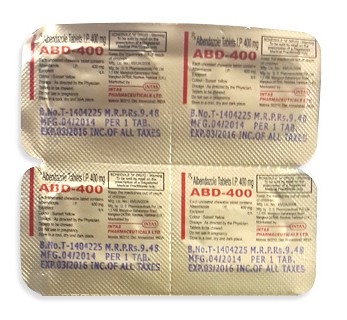
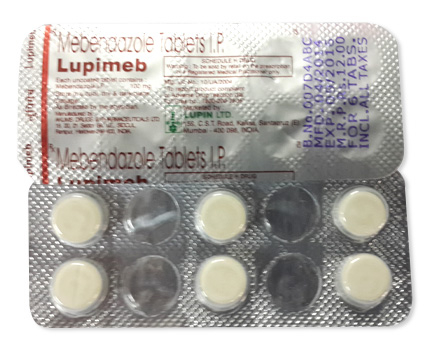
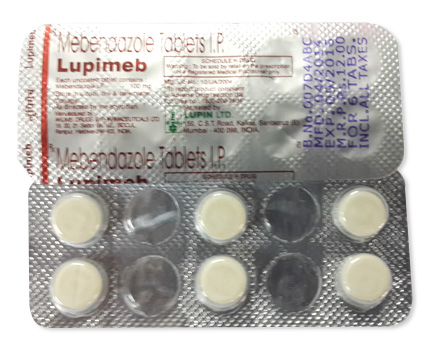
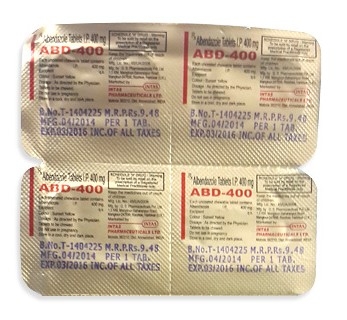
Mebendazole is the first-line treatment for most intestinal worm infections in the UK, available over-the-counter for pinworm infections. Albendazole serves as an alternative treatment, particularly effective against roundworms and hookworms. Both medications work by preventing worms from absorbing glucose, ultimately killing them.
Standard mebendazole dosage involves a single 100mg tablet for pinworms, with the entire household typically requiring treatment. For other worm infections, a 100mg dose twice daily for three days is recommended. Treatment duration varies depending on the specific parasite and infection severity.
Threadworm infections represent the most prevalent parasitic worm condition amongst children in the United Kingdom, affecting millions of families annually. These tiny white worms, scientifically known as Enterobius vermicularis, spread rapidly through households via contaminated surfaces, bedding, and direct contact.
Threadworms transmit primarily through the faecal-oral route when microscopic eggs are inadvertently ingested. The characteristic symptom is intense anal itching, particularly at night when female worms emerge to lay eggs. Other indicators include restlessness, disturbed sleep, and occasionally visible white threads in stools or around the anal area.
Several effective over-the-counter treatments are available in UK pharmacies. Ovex (mebendazole) tablets provide single-dose treatment for adults and children over two years. Pripsen sachets offer an alternative containing piperazine and sennosides. For prescription options, Vermox provides comprehensive mebendazole treatment with flexible dosing schedules.
Successful treatment requires simultaneous hygiene measures and household management:
Schools and nurseries should be notified of infections, though children may return immediately after beginning treatment. Family members typically require simultaneous treatment to prevent reinfection cycles.
International travel exposes UK residents to parasitic infections uncommon in temperate climates. These tropical parasites require specialised prevention strategies and targeted treatments, making pre-travel consultation essential for safe international journeys.
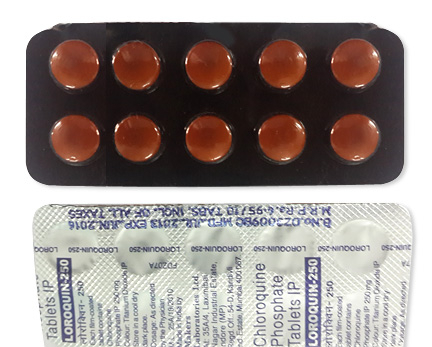
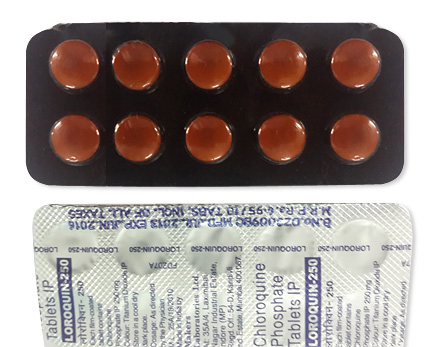
Malaria remains a significant threat in tropical destinations, transmitted through infected Anopheles mosquito bites. Prevention combines protective measures with appropriate chemoprophylaxis. Doxycycline offers broad-spectrum protection suitable for most malaria-endemic regions. Mefloquine provides weekly dosing convenience but requires careful monitoring for neuropsychiatric effects. Atovaquone/Proguanil (Malarone) combines excellent efficacy with minimal side effects, particularly suitable for short-term travel.
Giardiasis frequently causes traveller's diarrhoea, particularly in areas with poor sanitation. Symptoms include prolonged diarrhoea, abdominal cramping, and malabsorption. Schistosomiasis and liver flukes pose risks in freshwater environments across Africa, Asia, and South America.
Comprehensive travel health consultations should occur 4-6 weeks before departure, allowing time for vaccination schedules and prophylactic medication initiation. Essential considerations include:
Post-travel screening proves particularly important for travellers experiencing persistent symptoms or those with prolonged exposure to high-risk environments.
Head lice infestations are common, particularly in school-aged children. Effective treatment requires both medicinal and physical removal methods. Wet combing with a fine-toothed detection comb remains the first-line approach, whilst medicated shampoos and lotions provide additional support when infestations persist.
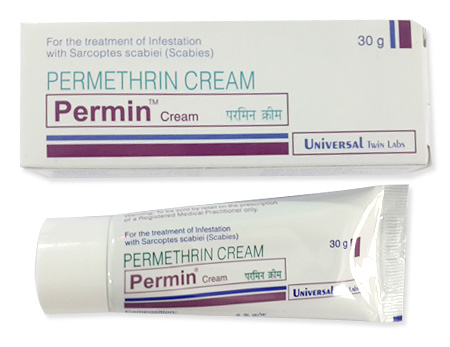
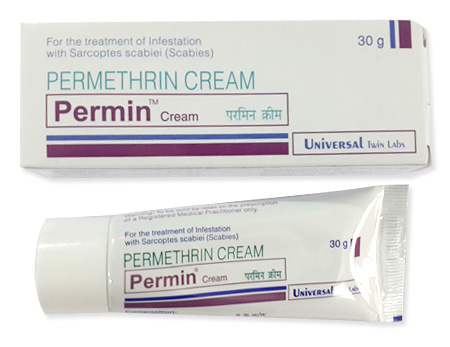
Scabies presents as intense itching, particularly at night, with characteristic burrow tracks between fingers, wrists, and other skin folds. Early identification and prompt treatment are essential to prevent spread within households and care facilities.
Several effective topical treatments are available:
Prescription options include oral ivermectin for severe or resistant cases. Environmental cleaning of bedding, clothing, and soft furnishings is crucial, alongside treating all close contacts simultaneously to prevent reinfection.
Most antiparasitic medications are well-tolerated when used correctly. Topical treatments may cause mild skin irritation, burning, or temporary redness. Oral medications can occasionally cause nausea, dizziness, or gastrointestinal upset. Patients with known allergies to active ingredients should seek alternative treatments.
Pregnancy and breastfeeding require careful treatment selection. Permethrin is generally considered safe, whilst oral ivermectin should be avoided. Paediatric patients require adjusted dosing based on age and weight, with some treatments unsuitable for infants under two years.
Consult your pharmacist or GP when:
Complete the full treatment course as directed, even if symptoms improve early. Follow-up appointments may be necessary to confirm treatment success and prevent reinfection within your household or community.