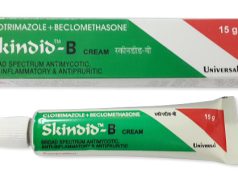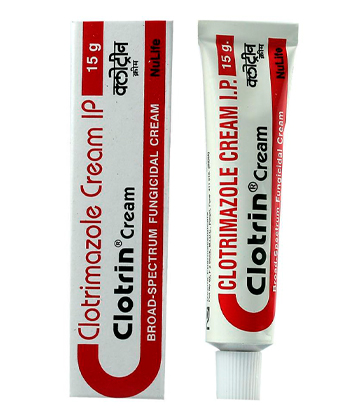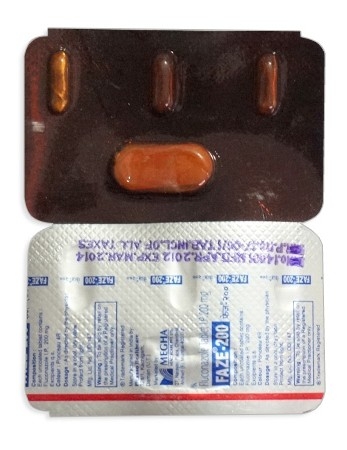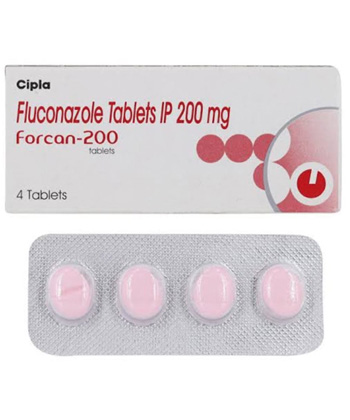
Antifungal medications are specialised treatments designed to combat fungal infections that can affect various parts of the body. These medicines work by either killing fungi directly or preventing their growth and reproduction, helping to restore healthy tissue and alleviate uncomfortable symptoms.
Fungal infections develop when harmful fungi multiply beyond the body's natural ability to control them. This typically occurs in warm, moist environments where fungi thrive, such as between toes, in skin folds, or within the mouth and genital areas. Factors like weakened immunity, diabetes, poor hygiene, or taking certain medications can increase susceptibility to these infections.
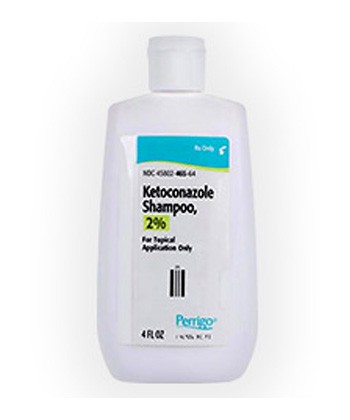
Common types of fungi that cause infections include Candida (responsible for thrush), dermatophytes (causing athlete's foot and ringworm), and Malassezia (linked to dandruff and seborrhoeic dermatitis). Antifungal medications target these organisms by disrupting their cell walls or interfering with essential cellular processes, effectively eliminating the infection.
You should seek medical advice if symptoms persist despite over-the-counter treatment, if infections recur frequently, or if you experience severe symptoms such as widespread rash, fever, or signs of secondary bacterial infection.
The UK market offers a comprehensive range of antifungal treatments to address various types and severities of fungal infections. Understanding the different formulations available helps ensure you select the most appropriate treatment for your specific condition.
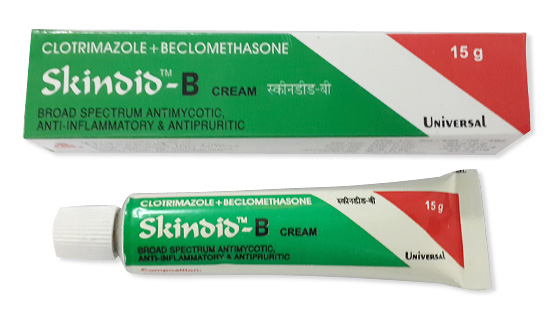
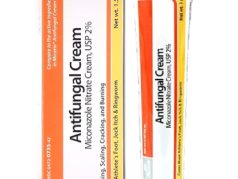
Topical treatments are applied directly to the affected area and include creams, ointments, sprays, and powders. These are ideal for localised skin infections such as athlete's foot, ringworm, or external fungal infections. They typically have fewer side effects as they work locally rather than systemically.
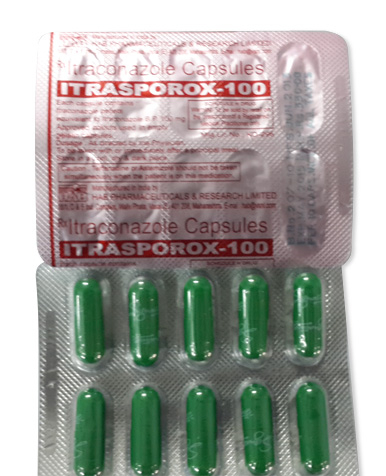
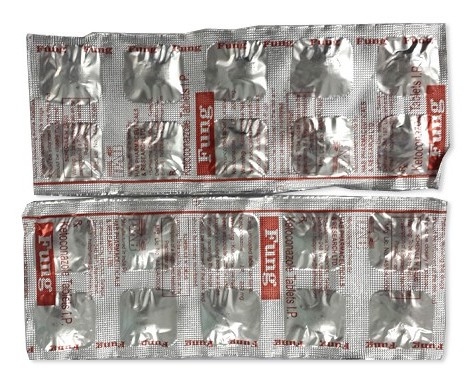
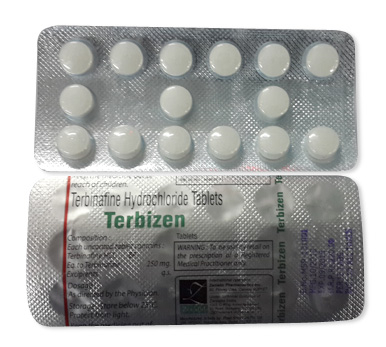
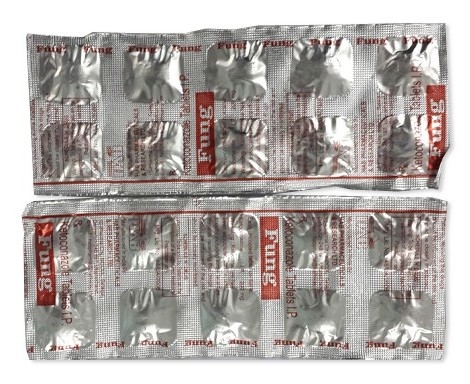
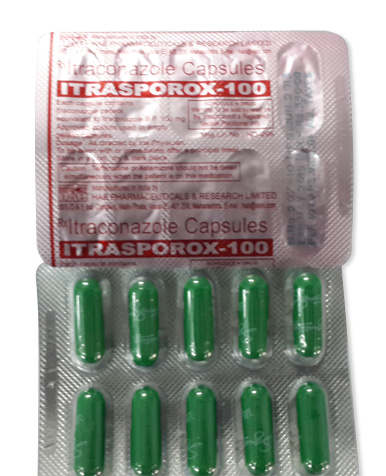
Oral tablets and capsules are prescribed for more severe, widespread, or internal fungal infections. These medications circulate throughout the body via the bloodstream, making them effective for treating systemic infections or those that haven't responded to topical treatments.
Common active ingredients available in the UK include:
Many mild fungal infections can be treated with over-the-counter options, whilst more severe cases require prescription-only medicines from your GP or pharmacist.
Athlete's foot presents as itching, burning, and cracking skin between the toes or on the soles of feet. This common infection thrives in warm, moist environments and can be effectively treated with topical antifungal creams, sprays, or powders containing ingredients like clotrimazole or terbinafine. Treatment typically requires 2-4 weeks of consistent application.
Oral thrush appears as white patches in the mouth and throat, whilst genital thrush causes itching, discharge, and discomfort. Oral varieties often respond to antifungal mouth gels or lozenges, while genital thrush can be treated with pessaries, creams, or oral capsules containing fluconazole or clotrimazole.
Despite its name, ringworm is a fungal infection causing circular, red, scaly patches on the skin or scalp. Body ringworm typically responds to topical treatments, whilst scalp infections may require oral antifungal medication for 6-8 weeks.
Nail fungus causes thickening, discolouration, and crumbling of nails. Treatment requires patience, with topical lacquers taking 6-12 months and oral medications 3-6 months to show complete results.
These infections commonly occur in skin folds and are caused by moisture, friction, and poor hygiene. Prevention includes keeping skin dry and using antifungal powders in susceptible areas.
Proper identification is crucial for effective treatment. Different fungal infections require specific antifungal agents, and misidentification can lead to treatment failure or prolonged symptoms.
Several factors influence the choice of antifungal treatment:
Treatment periods vary significantly: skin infections typically require 2-4 weeks, whilst nail infections may need 3-12 months. It's essential to continue treatment for the recommended duration even after symptoms disappear to prevent recurrence.
Topical treatments are usually sufficient for localised skin infections, whilst oral medications are necessary for severe, widespread, or nail infections. Oral treatments may have more side effects but offer systemic action.
Consult your pharmacist or GP for infections that don't respond to over-the-counter treatments within two weeks, recurrent infections, or if you have underlying health conditions like diabetes.
Most topical antifungal medicines are well-tolerated, but some users may experience mild side effects. Common reactions include skin irritation, redness, or a burning sensation at the application site. These symptoms typically subside as your skin adjusts to the treatment. If you develop severe itching, swelling, or signs of an allergic reaction such as rash or difficulty breathing, discontinue use immediately and consult your pharmacist or GP.
Whilst topical antifungals generally have minimal systemic absorption, it's important to inform your pharmacist about all medications you're currently taking. Some antifungal creams may interact with certain prescription medicines, particularly if you're using multiple topical treatments on the same area. Always allow adequate time between applying different topical medications to prevent reduced effectiveness or increased irritation.
Many topical antifungals are considered safe during pregnancy and breastfeeding, but it's essential to consult your midwife, GP, or pharmacist before use. Some treatments may be preferred over others during these periods. If you're breastfeeding and treating a fungal infection near the breast area, ensure the medication is completely absorbed or removed before nursing to prevent infant exposure.
Avoid using antifungal medications if you have a known allergy to any of the active ingredients. Do not apply to broken or severely damaged skin unless specifically advised by a healthcare professional. Children under certain ages may require different formulations or dosages, so always check the product information leaflet or consult your pharmacist for age-appropriate recommendations.
Clean and thoroughly dry the affected area before application. Apply a thin, even layer of the antifungal medication, extending slightly beyond the visible infection area. Wash your hands immediately after application unless treating a hand infection. Use the medication exactly as directed on the packaging or as advised by your pharmacist, even if symptoms improve before the course is complete.
Maintaining proper hygiene is crucial for preventing fungal infections. Wash and dry your skin thoroughly, particularly in areas prone to moisture accumulation such as between toes, under arms, and groin area. Change socks and underwear daily, and avoid sharing personal items like towels, socks, or shoes with others. Regular handwashing helps prevent the spread of fungal spores.
Fungi thrive in warm, moist environments. Be particularly cautious in communal areas such as swimming pools, gym changing rooms, and public showers where fungal infections can easily spread. Ensure your home environment isn't overly humid, and maintain good ventilation in bathrooms and bedrooms. Clean and disinfect surfaces regularly, especially in areas where moisture tends to accumulate.
Choose breathable, natural fabrics like cotton for clothing and socks. Avoid tight-fitting garments that trap moisture against the skin. For footwear, opt for well-ventilated shoes and alternate between different pairs to allow them to dry completely. Consider using antifungal powders in shoes if you're prone to foot infections. The following clothing choices can help prevent fungal infections:
Continue using antifungal medication for the full duration recommended on the package or by your healthcare provider, even after symptoms have resolved. Fungal infections often require treatment beyond the visible symptoms to ensure complete eradication of the fungus. Stopping treatment too early may result in the infection returning, potentially with increased resistance to treatment.
If you experience frequent fungal infections, consult your GP or pharmacist about preventive strategies. This may include regular use of antifungal powders, lifestyle modifications, or investigation into underlying health conditions that may predispose you to infections. Keep a record of when infections occur to identify potential triggers or patterns that can help in prevention efforts.