Antidepressant medications are prescription drugs specifically designed to treat depression and various other mental health conditions, including anxiety disorders, obsessive-compulsive disorder, and chronic pain conditions. These medications work by altering the balance of neurotransmitters in the brain—chemical messengers that facilitate communication between nerve cells.
The primary mechanism involves targeting key neurotransmitters such as serotonin, norepinephrine, and dopamine. By preventing the reuptake or breakdown of these chemicals, antidepressants increase their availability in the brain, which can help improve mood, reduce anxiety, and restore emotional balance. Different types of antidepressants focus on various neurotransmitter systems, allowing healthcare professionals to tailor treatment to individual needs.
Most antidepressants require 4-6 weeks to show their full therapeutic effect, though some patients may notice improvements within the first fortnight. It's crucial to understand that these medications require ongoing medical supervision and are only available on prescription in the UK. Your GP or psychiatrist will monitor your progress, adjust dosages as needed, and ensure the medication is working safely and effectively for your specific circumstances.
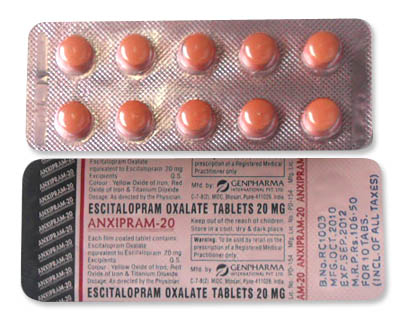
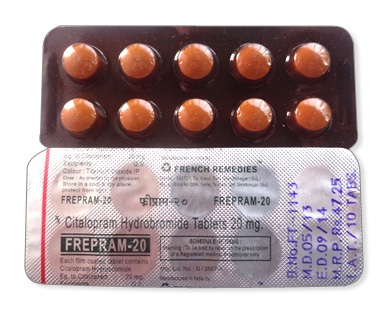
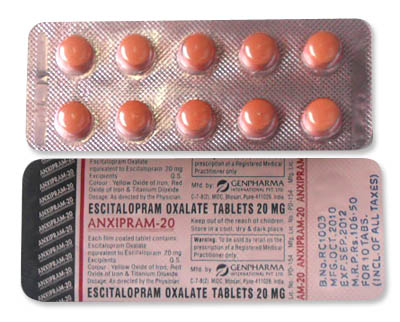
SSRIs are typically the first-line treatment for depression in the UK and include medications such as sertraline, fluoxetine, citalopram, escitalopram, and paroxetine. These drugs work by blocking the reuptake of serotonin, making more of this mood-regulating neurotransmitter available in the brain.
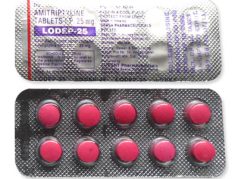
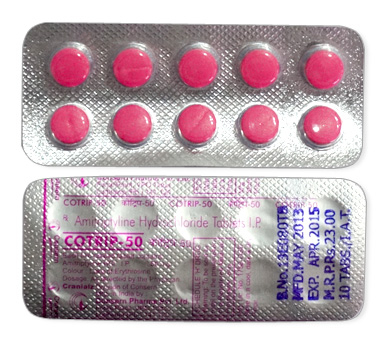
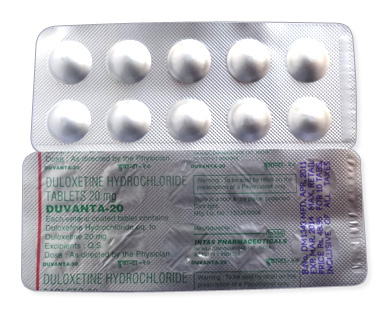
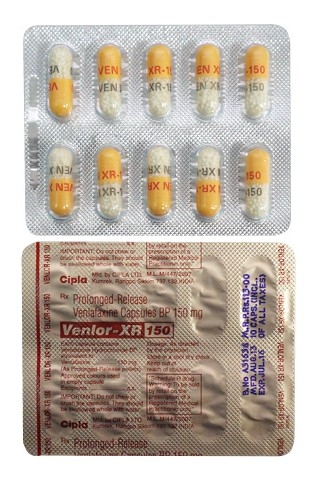
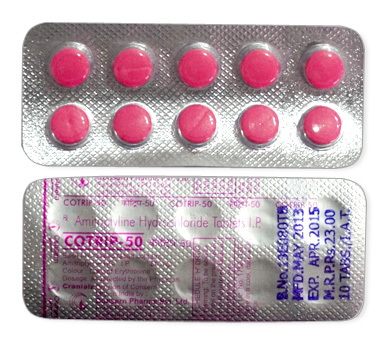
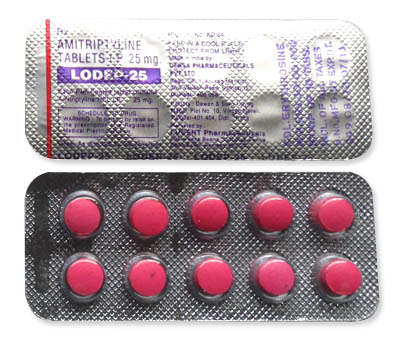
Serotonin-Norepinephrine Reuptake Inhibitors (SNRIs) like venlafaxine and duloxetine target both serotonin and norepinephrine systems. Tricyclic Antidepressants (TCAs), including amitriptyline and imipramine, are older medications often reserved for cases where newer antidepressants haven't been effective. Monoamine Oxidase Inhibitors (MAOIs) such as phenelzine are less commonly prescribed due to dietary restrictions and drug interactions.
The choice of antidepressant depends on individual symptoms, medical history, potential side effects, and previous treatment responses. Your healthcare provider will determine the most suitable option based on current NICE guidelines and clinical evidence.
Antidepressants are prescribed to treat a wide range of mental health conditions beyond depression. Major depressive disorder and clinical depression remain the primary indications, where these medications help restore the balance of neurotransmitters in the brain to improve mood, energy levels, and overall quality of life.
These medications are also highly effective for various anxiety disorders, including generalised anxiety disorder and panic disorder. Many patients find significant relief from symptoms such as excessive worry, panic attacks, and physical manifestations of anxiety. Additionally, antidepressants play a crucial role in treating obsessive-compulsive disorder (OCD) and post-traumatic stress disorder (PTSD), helping to reduce intrusive thoughts and trauma-related symptoms.
Beyond mental health conditions, antidepressants are increasingly prescribed for chronic pain conditions and fibromyalgia, where they help modulate pain signals in the nervous system. They're also effective for treating eating disorders and seasonal affective disorder. Specialist prescribing may include off-label uses for conditions such as migraines, irritable bowel syndrome, and certain sleep disorders, always under careful medical supervision and monitoring.
Beginning antidepressant treatment typically starts with an initial consultation with your GP or a mental health specialist. During this appointment, your healthcare provider will assess your symptoms, medical history, and any potential drug interactions to determine the most suitable medication for your specific needs.
Your doctor will usually start with a low dose and gradually increase it to minimise side effects whilst achieving therapeutic benefits. Common side effects during the first few weeks may include:
Regular monitoring and follow-up appointments are essential, typically scheduled at 2-4 week intervals initially. Contact your healthcare provider immediately if you experience severe side effects, worsening depression, or suicidal thoughts. It's crucial to continue treatment even when feeling better, as stopping abruptly can lead to withdrawal symptoms and potential relapse of your condition.
Understanding the potential side effects and safety considerations of antidepressants is crucial for safe and effective treatment. While these medications can be highly beneficial, it's important to be aware of what to expect and when to seek medical advice.
Most people taking antidepressants experience some side effects, particularly during the first few weeks of treatment. These typically diminish as your body adjusts to the medication. Common side effects include:
Whilst rare, some side effects require urgent medical attention. Contact your GP or NHS 111 immediately if you experience severe allergic reactions, thoughts of self-harm, unusual bleeding, seizures, or symptoms of serotonin syndrome such as high fever, rapid heartbeat, or severe confusion.
Antidepressants can interact with various medications, including over-the-counter drugs and herbal supplements. Always inform your healthcare provider about all medications and supplements you're taking. Special caution is needed for certain populations, including pregnant and breastfeeding women, elderly patients, and children, where dosing and medication selection require careful consideration.
Never stop taking antidepressants suddenly, as this can cause withdrawal symptoms such as flu-like symptoms, dizziness, and electric shock sensations. Your GP will create a gradual tapering schedule to safely reduce your medication when appropriate.
The UK offers comprehensive mental health support through various channels, ensuring that help is available when you need it most.
Your GP is the first point of contact for mental health concerns and can refer you to specialist services. The NHS provides Improving Access to Psychological Therapies (IAPT) services, community mental health teams, and crisis intervention services. You can also self-refer to many psychological therapy services in your local area.
Private mental health services offer shorter waiting times and additional treatment options. Many UK-registered online platforms now provide legitimate consultations with qualified psychiatrists and mental health professionals, offering convenient access to care whilst maintaining professional standards.
Several excellent organisations provide support, information, and advocacy:
The most effective treatment often combines medication with psychological therapies such as cognitive behavioural therapy (CBT) or counselling. Your healthcare provider can help coordinate this combined approach and arrange regular medication reviews to ensure optimal treatment outcomes.
In a mental health crisis, contact emergency services (999), your local crisis team, or attend your nearest A&E department. The Samaritans provide round-the-clock support at 116 123, whilst NHS 111 can direct you to appropriate urgent mental health services in your area.