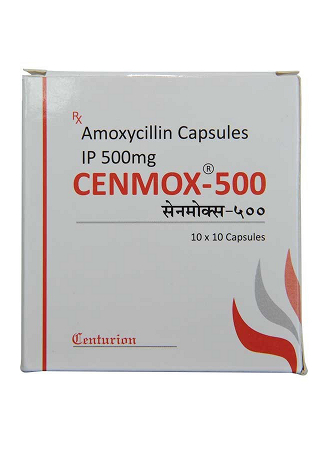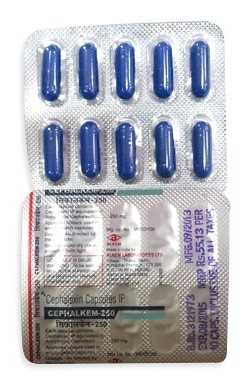
Antibiotics are powerful medicines specifically designed to fight bacterial infections by either killing bacteria or preventing their growth and reproduction. These medications work through various mechanisms, including disrupting bacterial cell wall synthesis, interfering with protein production, or blocking essential metabolic processes. Different classes of antibiotics target specific bacterial structures or functions, making them effective against particular types of bacterial infections. When prescribed correctly, antibiotics can be life-saving treatments for serious bacterial conditions.
Antibiotics are classified into two main categories based on their mode of action. Bactericidal antibiotics actively kill bacteria by destroying essential cellular components, such as the cell wall or membrane. In contrast, bacteriostatic antibiotics halt bacterial growth and reproduction, allowing the body's immune system to eliminate the infection naturally. Both types are effective, and the choice between them depends on factors such as the infection severity, patient's immune status, and specific bacterial strain involved.
Antibiotics are completely ineffective against viral infections because viruses have fundamentally different structures and replication methods compared to bacteria. Viruses lack the cellular components that antibiotics target, such as cell walls and independent metabolic systems. Instead, viruses hijack host cells to reproduce, making them immune to antibiotic action. Taking antibiotics for viral infections like colds or flu is unnecessary and contributes to antibiotic resistance.
Always complete your full antibiotic course, even if symptoms improve before finishing the medication. Stopping early can leave surviving bacteria that may develop resistance, making future infections harder to treat. This practice protects both individual and public health by preventing the spread of antibiotic-resistant bacteria throughout communities.
Antibiotics are commonly prescribed for bacterial respiratory infections including pneumonia, bacterial bronchitis, and sinusitis. These conditions often present with symptoms such as persistent cough, fever, coloured sputum, and difficulty breathing. Bacterial pneumonia requires prompt antibiotic treatment to prevent serious complications. Sinusitis may need antibiotic therapy when symptoms persist beyond 10 days or worsen after initial improvement. The choice of antibiotic depends on the suspected bacterial pathogen and local resistance patterns.
Urinary tract infections (UTIs) are among the most common bacterial infections requiring antibiotic treatment. These infections can affect various parts of the urinary system, including the bladder (cystitis) and kidneys (pyelonephritis). Typical symptoms include burning sensation during urination, frequent urination, and cloudy or strong-smelling urine. Kidney infections are more serious and may cause fever, back pain, and nausea. Prompt antibiotic treatment prevents complications and the spread of infection to other organs.
Bacterial skin infections range from superficial conditions like impetigo to deeper tissue infections such as cellulitis. Common symptoms include redness, swelling, warmth, and pain in the affected area. Some infections may present with pus or develop into abscesses requiring drainage alongside antibiotic therapy. The following types commonly require antibiotic treatment:
Most gastrointestinal infections resolve without antibiotic treatment, as many are viral or self-limiting. However, severe bacterial gastroenteritis, traveller's diarrhoea, or infections in vulnerable patients may require antibiotic therapy. Symptoms warranting medical evaluation include high fever, bloody stools, severe dehydration, or prolonged illness exceeding several days.
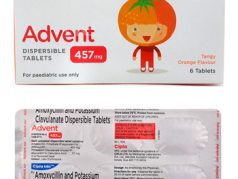
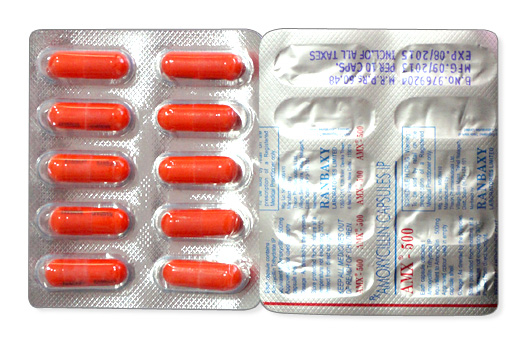
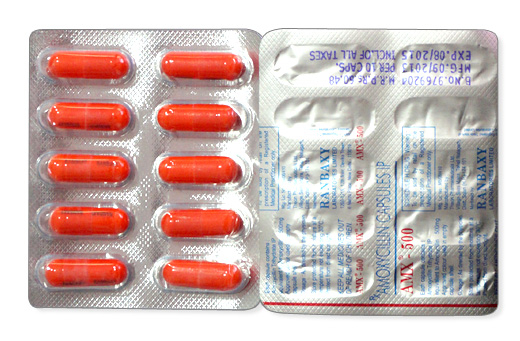
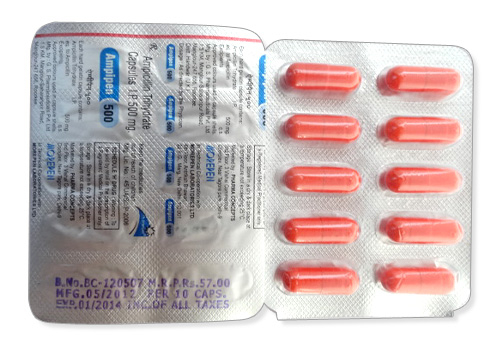
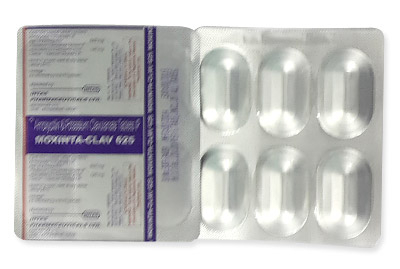
Penicillins remain amongst the most widely prescribed antibiotics in the UK, offering effective treatment for numerous bacterial infections. Amoxicillin is commonly used for respiratory tract infections, urinary tract infections, and dental abscesses. Flucloxacillin specifically targets staphylococcal infections, including skin and soft tissue infections. Co-amoxiclav, which combines amoxicillin with clavulanic acid, provides broader spectrum coverage and is particularly effective against resistant bacteria causing pneumonia, sinusitis, and complicated urinary tract infections.
Macrolides are frequently prescribed as alternatives for patients with penicillin allergies or when treating atypical bacterial infections. Erythromycin is commonly used for respiratory infections and skin conditions, whilst clarithromycin effectively treats Helicobacter pylori infections alongside chest infections. Azithromycin is particularly valuable for treating sexually transmitted infections such as chlamydia, as well as respiratory tract infections. These antibiotics are also effective against mycoplasma and chlamydia pneumonia.
Tetracyclines are versatile antibiotics prescribed for specific conditions requiring targeted treatment. Doxycycline is widely used for acne treatment, malaria prophylaxis, and respiratory infections. It's also the first-line treatment for Lyme disease and certain sexually transmitted infections. Tetracycline is commonly prescribed for rosacea and various skin conditions. These antibiotics are particularly effective against intracellular bacteria and are essential in treating tick-borne diseases.
Fluoroquinolones are reserved for serious bacterial infections due to their potency and potential side effects. Ciprofloxacin is typically prescribed for complicated urinary tract infections, severe gastroenteritis, and anthrax exposure. Levofloxacin treats severe pneumonia and complicated skin infections. These antibiotics are generally reserved for cases where first-line treatments have failed or for life-threatening infections requiring immediate broad-spectrum coverage.
Antibiotics are prescription-only medicines (POMs) in the UK to prevent antimicrobial resistance and ensure appropriate use. Self-medication with antibiotics can lead to inadequate dosing, incorrect antibiotic selection, and the development of resistant bacterial strains. Healthcare professionals must assess each patient's condition, medical history, and potential drug interactions before prescribing. This regulated approach protects both individual patients and public health by maintaining antibiotic effectiveness for future generations.
The NHS implements comprehensive antimicrobial stewardship programmes to optimise antibiotic use across healthcare settings. These initiatives focus on prescribing the right antibiotic, at the right dose, for the right duration. Regular audits monitor prescribing patterns, whilst educational programmes ensure healthcare professionals stay updated on best practices. The programmes also promote infection prevention measures and surveillance systems to track resistance patterns effectively.
GPs follow evidence-based guidelines when determining antibiotic therapy, considering factors including:
Like all medicines, antibiotics can cause side effects, though not everyone experiences them. Understanding potential adverse reactions and safety considerations is essential for safe antibiotic use in the UK.
The most frequently reported side effects of antibiotics include digestive issues such as nausea, vomiting, diarrhoea, and stomach upset. These occur because antibiotics can disrupt the natural balance of bacteria in your gut. Allergic reactions are another concern, ranging from mild skin rashes to severe anaphylactic reactions. If you experience any unusual symptoms whilst taking antibiotics, contact your GP or pharmacist promptly.
Antibiotics can interact with other medications, potentially reducing their effectiveness or increasing side effects. Common interactions include:
Certain groups require special consideration when prescribing antibiotics. Pregnant and breastfeeding women need carefully selected antibiotics that are safe for both mother and baby. Children require age-appropriate formulations and dosing, whilst elderly patients may need dose adjustments due to changes in kidney function or increased sensitivity to side effects. Always inform your healthcare provider if you fall into any of these categories.
Seek urgent medical care if you experience severe allergic reactions such as difficulty breathing, swelling of the face or throat, severe skin reactions, or persistent severe diarrhoea. Contact NHS 111 or your GP immediately if you develop any concerning symptoms whilst taking antibiotics.
Antibiotic resistance is one of the most pressing health challenges facing the UK and the world today. Understanding this issue and using antibiotics responsibly is crucial for preserving these life-saving medicines for future generations.
Antibiotic resistance occurs when bacteria evolve and develop the ability to survive exposure to antibiotics that would normally kill them or stop their growth. This natural evolutionary process is accelerated by the overuse and misuse of antibiotics. When bacteria become resistant, infections become harder to treat, leading to longer hospital stays, higher medical costs, and increased mortality rates. The UK government has identified antibiotic resistance as a national priority, with some experts warning it could become a greater threat than cancer.
Responsible antibiotic use is essential to combat resistance. Always take antibiotics exactly as prescribed by your healthcare provider, completing the full course even if you feel better. Never share antibiotics with others, save leftover tablets for future use, or demand antibiotics for viral infections like colds or flu. Only take antibiotics when prescribed by a qualified healthcare professional, and never purchase them from unregulated sources online.
As a patient in the UK, you play a vital role in preventing antibiotic resistance. Practice good hygiene to prevent infections, including regular handwashing and keeping vaccinations up to date. Trust your healthcare provider's judgement when they explain that antibiotics aren't needed for viral infections. If prescribed antibiotics, take them responsibly and dispose of any unused medication safely through your local pharmacy's medicine return scheme.
The development of new antibiotics has slowed significantly, with few new classes discovered in recent decades. Researchers in the UK and worldwide are exploring innovative approaches including bacteriophage therapy, immunotherapy, and precision medicine. Prevention remains key, with improved diagnostics helping doctors prescribe the right antibiotic at the right time. Supporting research through organisations like the Wellcome Trust and adhering to antimicrobial stewardship programmes in NHS hospitals are crucial steps towards maintaining effective treatments for bacterial infections.