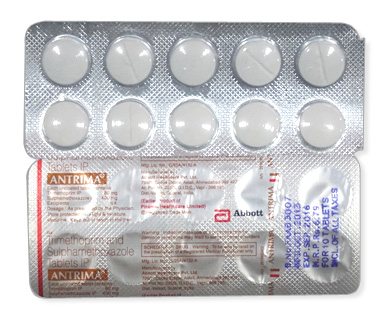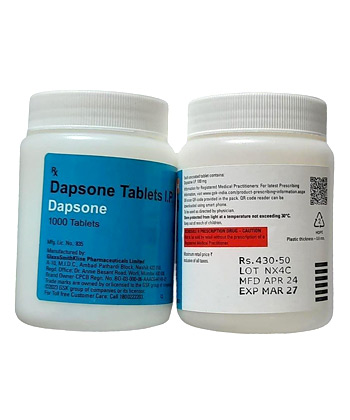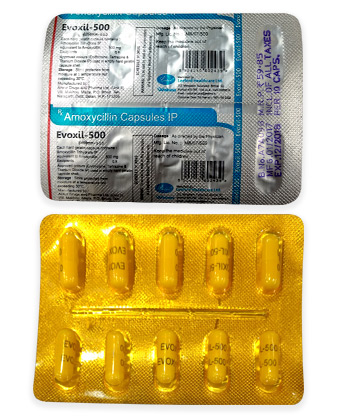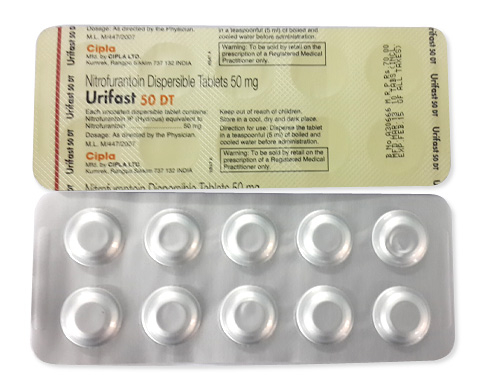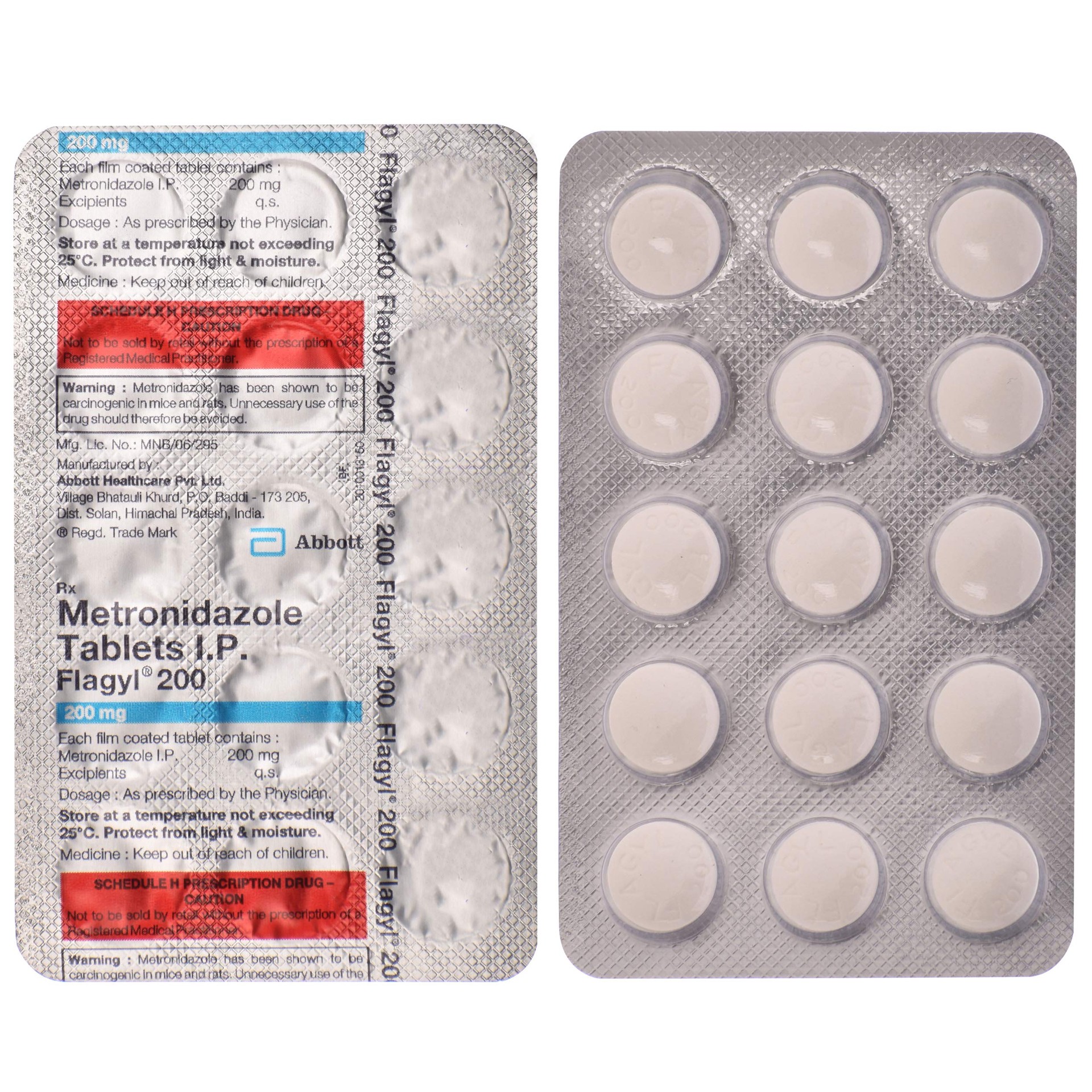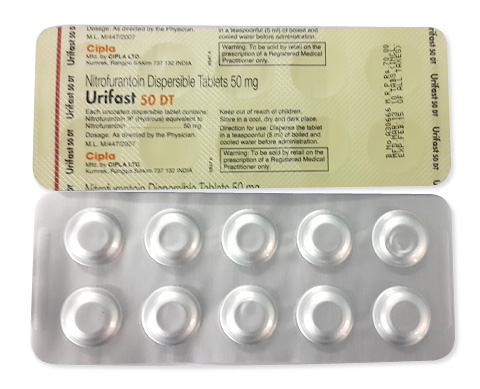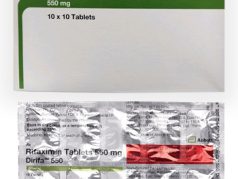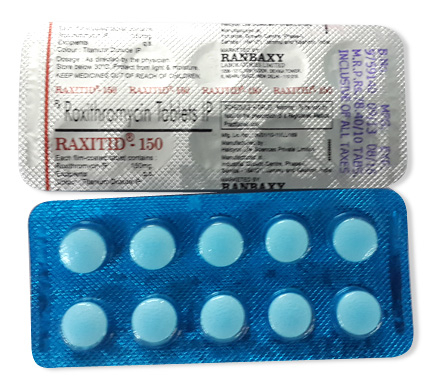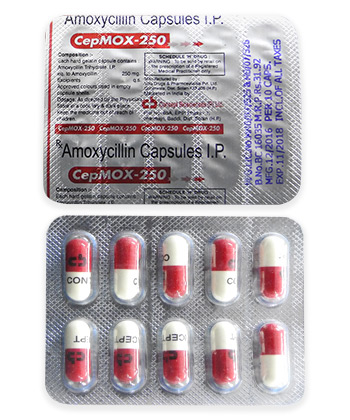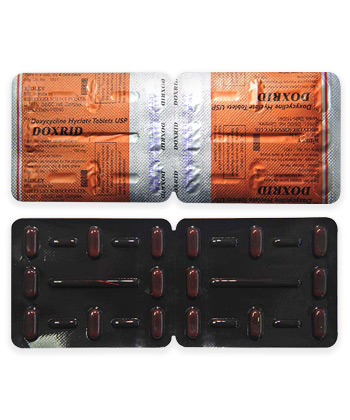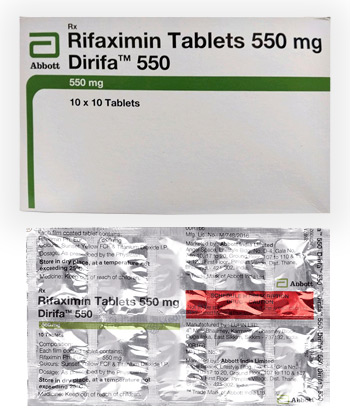
Antibacterial medicines, also known as antibiotics, are prescription medications specifically designed to fight bacterial infections in the human body. These powerful drugs work by either killing bacteria directly (bactericidal action) or preventing bacterial growth and reproduction (bacteriostatic action). They target specific bacterial processes such as cell wall synthesis, protein production, or DNA replication, making them highly effective against bacterial pathogens whilst leaving human cells unharmed. It's important to understand that antibacterials differ from other antimicrobial agents like antivirals, antifungals, and antiparasitics, as they exclusively target bacterial organisms. This specificity means antibacterials are completely ineffective against viral infections such as the common cold or flu, which is why proper diagnosis and prescription by a qualified healthcare professional is essential for safe and effective treatment.
Antibacterial medications are prescribed to treat a wide range of bacterial infections affecting various body systems. Common conditions include respiratory tract infections such as pneumonia, bronchitis, and sinusitis, which can cause significant breathing difficulties and complications if left untreated. Urinary tract infections, including cystitis and kidney infections, are frequently treated with targeted antibacterials. Skin and soft tissue infections encompass conditions like cellulitis, impetigo, and infected wounds or cuts. Additionally, gastrointestinal infections caused by bacterial pathogens can lead to severe stomach upset, diarrhoea, and food poisoning symptoms. The choice of antibacterial depends on the specific bacteria causing the infection, its location in the body, and the patient's individual medical circumstances and allergy history.
Penicillins represent one of the most widely prescribed antibacterial categories in the UK, including commonly used medications such as amoxicillin, flucloxacillin, and co-amoxiclav. These antibacterials work by disrupting bacterial cell wall formation, making them particularly effective against a broad spectrum of bacterial infections. Penicillins are frequently prescribed for treating respiratory tract infections, skin infections, dental abscesses, and certain urinary tract infections. The following conditions are commonly treated with penicillins:
Macrolide antibacterials, including erythromycin, clarithromycin, and azithromycin, serve as excellent alternatives for patients who are allergic to penicillin. These medications work by inhibiting bacterial protein synthesis, effectively stopping bacterial growth and reproduction. Macrolides are particularly useful for treating respiratory tract infections, skin conditions, and certain sexually transmitted infections. They're often prescribed for atypical pneumonia, whooping cough, and Helicobacter pylori infections associated with stomach ulcers. Their favourable dosing schedules, with some requiring only once-daily administration, make them convenient options for patient compliance whilst maintaining excellent therapeutic effectiveness.
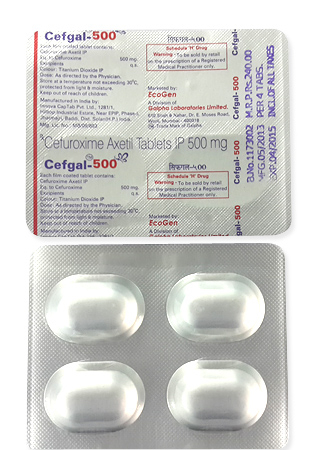
Cephalosporins are a widely prescribed class of antibacterials including cefalexin and cefuroxime. These medications are effective against a broad range of bacterial infections and are commonly used for treating skin and soft tissue infections, urinary tract infections, and respiratory tract conditions.
Cephalosporins serve dual purposes in both hospital and community settings. In hospitals, they're often used for more serious infections, whilst in community practice, they provide excellent alternatives for patients with penicillin allergies or resistant bacterial infections.
These antibacterials demonstrate excellent activity against gram-positive bacteria and many gram-negative organisms. Their broad spectrum makes them particularly valuable for treating infections where the causative organism may not be immediately identified, ensuring effective treatment whilst awaiting laboratory results.
Fluoroquinolones, including ciprofloxacin and levofloxacin, are potent antibacterials reserved for serious bacterial infections. These medications offer excellent tissue penetration and are particularly effective against gram-negative bacteria, making them valuable tools in treating complicated infections where other antibacterials may be ineffective.
These antibacterials are typically reserved for severe infections such as complicated urinary tract infections, certain types of pneumonia, and bone infections. Their powerful activity makes them essential for treating life-threatening conditions where rapid bacterial clearance is crucial for patient recovery.
Due to potential serious side effects and the risk of developing antibiotic resistance, fluoroquinolones should only be used when specifically indicated. Healthcare professionals carefully consider the risk-benefit ratio before prescribing these medications, ensuring they're used appropriately and only when necessary.
The majority of antibacterial medications in the UK require a prescription from a qualified healthcare professional. This regulation ensures appropriate use and helps prevent antibiotic resistance. GP consultation is essential for proper diagnosis and treatment selection, as different infections require specific antibacterial choices. NHS prescribing guidelines emphasise responsible use, with healthcare providers following strict protocols to determine when antibacterials are necessary. The prescription-only status allows for proper monitoring of treatment effectiveness and potential side effects.
Several topical antibacterial treatments are available without prescription for minor skin conditions. These over-the-counter options include:
These products are suitable for minor wounds, superficial skin infections, and preventive care. However, persistent or worsening symptoms require professional medical assessment to determine if systemic antibacterial treatment is necessary.
Taking antibacterial medications correctly is crucial for effective treatment and preventing resistance. Always follow your GP's or pharmacist's instructions regarding dosage, even if you begin to feel better before completing the course. The prescribed duration is calculated to ensure all harmful bacteria are eliminated from your system.
Never alter the prescribed dosage without consulting your healthcare provider. Taking too little may not clear the infection, whilst taking too much can increase the risk of side effects. Maintain consistent timing between doses to keep steady levels of the medication in your bloodstream, and set reminders if necessary to avoid missed doses.
Most antibacterial medications are well-tolerated, but some patients may experience side effects. Common reactions include nausea, diarrhoea, stomach upset, and mild skin rashes. These symptoms are usually temporary and resolve once treatment is completed.
Serious allergic reactions, though rare, require immediate medical attention. Contact emergency services if you experience difficulty breathing, severe swelling of the face or throat, or widespread rash. Always inform your healthcare provider about other medications you're taking, as antibacterials can interact with certain drugs including warfarin, oral contraceptives, and some heart medications.
Antibiotic resistance occurs when bacteria evolve to survive exposure to antibacterial medications that previously killed them. This natural process is accelerated by inappropriate use of antibiotics, including not completing prescribed courses, sharing medications, or using antibiotics for viral infections where they provide no benefit.
The UK government has implemented the NHS Antimicrobial Resistance Strategy, working alongside Public Health England to monitor resistance patterns and promote responsible prescribing. This national effort aims to preserve the effectiveness of current antibacterials for future generations.
Antibacterials are ineffective against viral infections such as common colds, flu, and most coughs. Using them inappropriately contributes to resistance without providing any health benefit. Always consult your GP or pharmacist before taking antibacterials, even if you've used them previously for similar symptoms.
Distinguishing between bacterial and viral infections can be challenging, but certain symptoms suggest bacterial involvement. Seek medical attention for persistent fever above 38°C, thick yellow or green nasal discharge lasting more than 10 days, severe throat pain with difficulty swallowing, or symptoms that worsen after initial improvement.
Bacterial skin infections typically present with increasing redness, warmth, swelling, and pus formation. Urinary tract infections may cause burning during urination, frequent urges, and cloudy or blood-tinged urine. These conditions generally require antibacterial treatment prescribed by a qualified healthcare professional.
Certain symptoms require immediate medical attention and may indicate serious bacterial infections. Contact emergency services or visit your nearest A&E department if you experience high fever with severe headache and neck stiffness, difficulty breathing, rapid heartbeat with dizziness, or signs of severe dehydration.
Severe allergic reactions to antibacterial medications constitute medical emergencies. Call 999 immediately if you develop facial swelling, difficulty breathing, or widespread skin reactions after taking antibiotics. Keep a record of any known drug allergies and inform all healthcare providers before receiving new medications.