Allergies occur when your immune system overreacts to normally harmless substances, triggering uncomfortable and sometimes dangerous symptoms. In the UK, common environmental allergens include pollen from grass, trees, and weeds, dust mites, pet dander, and certain foods. Allergic reactions can range from mild symptoms like sneezing and watery eyes to severe responses such as anaphylaxis, which requires immediate medical attention.
Antiallergic medications primarily work by blocking histamine, a chemical released during allergic reactions that causes inflammation and typical allergy symptoms. These treatments fall into two main categories: preventative medications taken regularly during allergy season, and immediate-relief treatments used when symptoms occur. Understanding the difference helps you choose the most effective approach for managing your specific allergic conditions throughout the year.
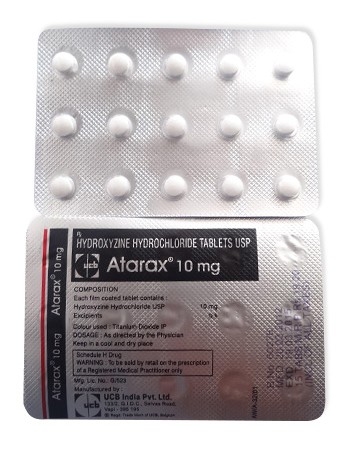
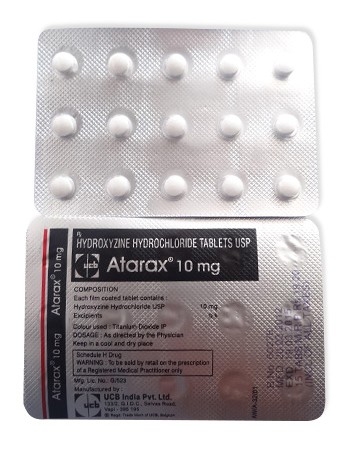
First-generation antihistamines provide effective relief for acute allergic reactions but often cause drowsiness. Popular options include:
These medications are best taken in the evening or when you can rest, as sedating effects may impair driving and concentration.
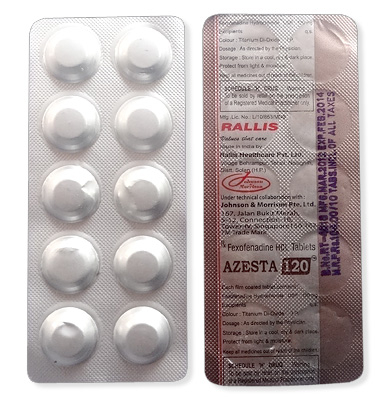
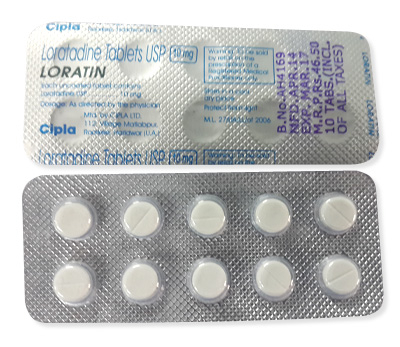
Modern antihistamines offer effective relief with minimal drowsiness, making them ideal for daily use during hay fever season. Cetirizine (Piriteze) provides 24-hour protection against pollen and dust allergies. Loratadine (Clarityn) offers non-drowsy relief suitable for work and driving. Fexofenadine (Telfast) effectively manages persistent symptoms without affecting daily activities. These newer formulations allow you to maintain your normal routine whilst controlling allergic reactions throughout the day.
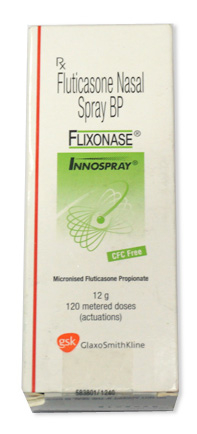
Nasal treatments offer targeted relief for hay fever and seasonal allergies affecting the nose and sinuses. Sodium cromoglicate nasal sprays, such as Opticrom, work as preventive treatments and are most effective when started before allergy season begins. Azelastine nasal sprays provide rapid antihistamine action, offering quick symptom relief within 15 minutes of application. For persistent inflammation, steroid nasal sprays like beclometasone or fluticasone help reduce swelling and congestion over time.
Proper application technique is crucial for effectiveness:
Allergic conjunctivitis causes uncomfortable symptoms including itchy, watery, and red eyes. Antihistamine eye drops containing ingredients like ketotifen or azelastine provide fast-acting relief from itching and irritation. Mast cell stabilisers offer long-term management by preventing allergic reactions from occurring. Combination treatments merge antihistamine and mast cell stabilising properties for comprehensive symptom control. For those with sensitive eyes or frequent use requirements, preservative-free formulations reduce the risk of additional irritation whilst maintaining therapeutic effectiveness.
Topical antiallergic treatments provide targeted relief for localised skin reactions including insect bites, contact dermatitis, and minor allergic rashes. Antihistamine creams containing ingredients like chlorphenamine offer direct application to affected areas, reducing itching and inflammation at the source. Calamine lotion provides cooling, soothing relief for irritated skin whilst helping to dry weeping reactions.
Hydrocortisone creams are effective anti-inflammatory treatments for allergic skin responses, particularly useful for:
Choose topical treatments for localised reactions affecting small skin areas, whilst oral antihistamines are more suitable for widespread or systemic allergic responses affecting multiple body areas.
Emollients play a crucial role in managing allergic skin conditions by restoring the skin's natural barrier function and reducing inflammation. These therapeutic moisturisers help soothe irritated skin whilst preventing allergens from penetrating the skin's surface. Regular application of emollients can significantly reduce the frequency and severity of allergic flare-ups, particularly in conditions such as eczema and contact dermatitis. Look for fragrance-free, hypoallergenic formulations containing ingredients like ceramides, glycerin, or petroleum jelly for optimal results.
Barrier creams create a protective layer on the skin's surface, preventing environmental allergens from causing irritation and allergic reactions. These specialised formulations are particularly beneficial for individuals with occupational allergies or those frequently exposed to potential irritants. Zinc oxide and dimethicone-based barriers offer excellent protection whilst allowing the skin to breathe naturally.
Choosing the right moisturiser depends on your specific skin type and allergy triggers:
Severe allergic reactions, including anaphylaxis, require immediate medical intervention and specialised emergency treatments. Adrenaline auto-injectors such as EpiPen and Jext are life-saving devices that deliver a pre-measured dose of adrenaline to counteract severe allergic reactions. These prescription-only medicines should be carried at all times by individuals with known severe allergies. Emergency antihistamine protocols may include high-dose oral antihistamines or injectable formulations administered by healthcare professionals. Always call 999 immediately if someone experiences difficulty breathing, widespread hives, swelling of the face or throat, or loss of consciousness following allergen exposure.
When over-the-counter treatments prove insufficient, stronger prescription antiallergic medications may be necessary. These include higher-strength antihistamines, oral corticosteroids for severe inflammatory responses, and specialised immunotherapy treatments available through NHS allergy services. Prescription medications require careful monitoring by healthcare professionals and may involve specialist allergy clinic referrals for comprehensive assessment and long-term management planning.
Selecting appropriate antiallergic treatment requires careful consideration of several important factors. The severity and type of allergic symptoms will determine whether topical treatments, oral medications, or combination therapies are most suitable. Age-appropriate formulations ensure safe and effective treatment, with specific paediatric and elderly formulations available. Consider potential drug interactions with existing medications and any contraindications based on underlying health conditions. Lifestyle factors, including work schedules and daily activities, may influence medication timing and formulation preferences.
Professional guidance is essential for optimal allergy management and medication safety. Consult your pharmacist for advice on over-the-counter treatments and potential interactions with existing medications. Seek GP consultation for persistent or worsening symptoms, suspected new allergies, or when current treatments prove ineffective. Always read medicine labels carefully and follow dosage instructions precisely: