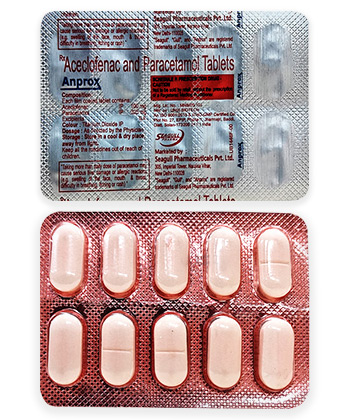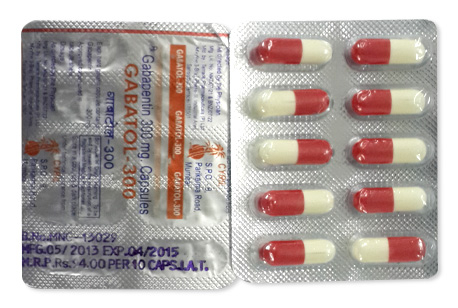
Analgesics are medications specifically designed to relieve pain without causing loss of consciousness. These essential medicines work by interfering with pain signals in your nervous system, either by blocking pain receptors or reducing inflammation at the source of discomfort. Understanding how analgesics function helps you make informed decisions about managing your pain effectively.
Pain generally falls into two main categories: acute pain, which is short-term and often results from injuries or illnesses, and chronic pain, which persists for extended periods. Acute pain typically responds well to over-the-counter analgesics, whilst chronic pain may require prescription medications and professional medical guidance.
Safe use of analgesics requires careful attention to several key factors:
Proper adherence to dosage guidelines ensures both effectiveness and safety, preventing potential adverse effects whilst providing optimal pain relief.
Paracetamol stands as one of the most widely used and trusted pain relievers available without prescription in the UK. This versatile analgesic effectively treats headaches, reduces fever, and provides relief from mild to moderate pain, making it an essential component of most household medicine cabinets.
Popular UK brands include Panadol, Calpol for children, and Lemsip for cold and flu symptoms. These trusted names offer various formulations, including tablets, capsules, liquid suspensions, and soluble preparations to suit different preferences and age groups.
Adults should take 500mg to 1000mg every four to six hours, with a maximum of 4000mg in 24 hours. Children's doses vary significantly by age and weight, so always consult the packaging or speak with your pharmacist for appropriate guidance. Never exceed the stated dose, as paracetamol overdose can cause serious liver damage.
Paracetamol is generally well-tolerated, but caution is needed with liver conditions or when consuming alcohol regularly. Many combination products contain paracetamol alongside other ingredients like caffeine or decongestants, so check labels carefully to avoid accidental overdose when taking multiple medications simultaneously.
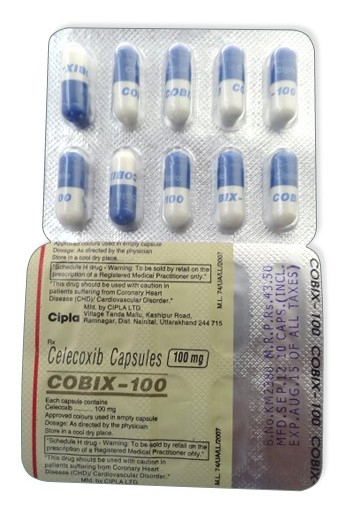
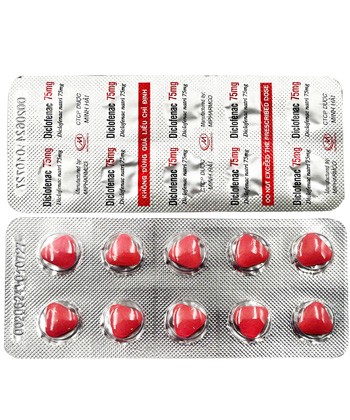
NSAIDs work by blocking cyclooxygenase enzymes (COX-1 and COX-2) that produce prostaglandins, chemicals responsible for inflammation, pain, and fever. This dual action makes them particularly effective for conditions involving both pain and swelling, such as arthritis, muscle strains, and headaches.
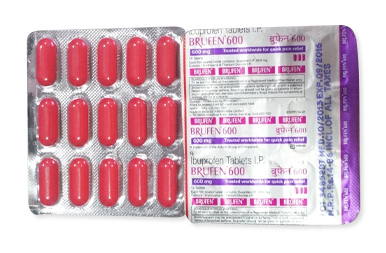
Ibuprofen remains one of the most widely used NSAIDs, available under trusted brands including Nurofen, Advil, and Brufen. These products offer reliable pain relief and are available in various strengths and formulations to suit different needs.
Aspirin serves a dual purpose, providing effective pain relief whilst also supporting cardiovascular health when used in low doses as recommended by healthcare professionals. Naproxen offers longer-lasting relief, making it particularly suitable for chronic conditions requiring sustained pain management.
NSAIDs can cause stomach irritation, so taking them with food or considering stomach protection medication may be necessary for some individuals. Important contraindications include:
Topical analgesics provide targeted pain relief directly to affected areas through creams, gels, and patches. This localised approach allows for effective treatment whilst minimising systemic side effects often associated with oral medications.
Voltarol gel contains diclofenac, offering powerful anti-inflammatory action for joint and muscle pain. Deep Heat products provide warming relief through ingredients like methyl salicylate, whilst ibuprofen gels combine the benefits of topical application with proven NSAID effectiveness.
Topical treatments offer several advantages over oral medications, including reduced risk of stomach irritation and drug interactions. They're particularly beneficial for elderly patients or those taking multiple medications.
Application methods vary by product type:
These solutions are ideal for muscle strains, arthritis pain, sports injuries, and localised inflammatory conditions where targeted relief is preferred.
When simple analgesics like paracetamol or ibuprofen aren't providing adequate relief, combination products and stronger medications may be necessary. These medicines typically combine two active ingredients to target pain more effectively, such as paracetamol with codeine in co-codamol preparations.
Many combination analgesics are classified as Pharmacy-Only Medicines (POMs) in the UK, requiring consultation with a qualified pharmacist before purchase. Lower-strength versions may be available without prescription, whilst stronger formulations require a GP's prescription. Popular UK brands include Solpadeine (paracetamol and codeine), Paramol (paracetamol and dihydrocodeine), and Nurofen Plus (ibuprofen and codeine).
Combination analgesics containing opioid ingredients like codeine carry a risk of dependence if used inappropriately. It's crucial to follow dosage instructions carefully and avoid long-term use without medical supervision. These medications should only be used for short periods (typically no more than three days) unless specifically advised otherwise by a healthcare professional. Always inform your pharmacist about existing medications and medical conditions before starting any new pain relief treatment.
Selecting the most appropriate pain relief medication depends on several factors, including the type of pain you're experiencing, your medical history, and any other medications you're currently taking. Different analgesics work better for specific types of discomfort - for instance, ibuprofen is particularly effective for inflammatory pain, whilst paracetamol is excellent for general aches and fever reduction.
Your local pharmacist is an invaluable resource for personalised advice on pain management. They can help identify potential drug interactions and ensure the chosen medication is suitable for your individual circumstances. Key factors to discuss include:
Consult your GP if pain persists beyond a few days, worsens despite treatment, or is accompanied by concerning symptoms. Store all medications safely away from children and dispose of unused products at your local pharmacy to ensure environmental safety and prevent misuse.