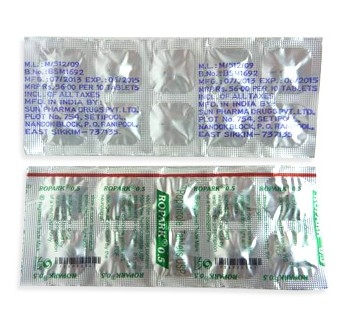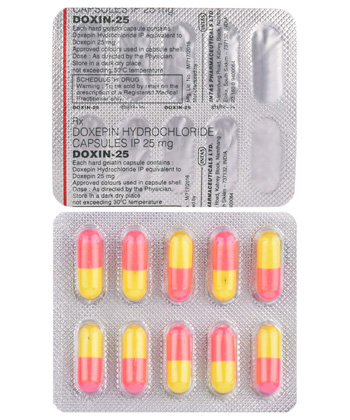
Alcoholism, medically recognised as Alcohol Use Disorder (AUD), is a chronic disease characterised by an inability to control alcohol consumption despite adverse consequences. The condition is classified by the NHS as a serious medical disorder that affects millions of people across the UK, requiring professional intervention and ongoing support.
Common signs of alcohol dependency include drinking alone, experiencing withdrawal symptoms when not drinking, neglecting responsibilities, and continuing to drink despite health problems. Physical effects encompass liver damage, cardiovascular issues, and neurological complications, whilst psychological impacts include depression, anxiety, and cognitive impairment.
Professional diagnosis through your GP or specialist addiction services is crucial for proper assessment and treatment planning, ensuring access to appropriate NHS resources and support programmes.
Alcohol withdrawal occurs when individuals with physical dependence suddenly reduce or cease drinking. Symptoms typically begin within 6-12 hours after the last drink and can range from mild tremors and anxiety to severe, life-threatening complications. The withdrawal timeline generally peaks at 24-72 hours and may last up to a week.
Mild withdrawal symptoms include sweating, nausea, headaches, and sleep disturbances. Severe complications can progress to seizures, hallucinations, and delirium tremens (DTs), a medical emergency requiring immediate hospitalisation. DTs affects approximately 5% of people experiencing withdrawal and can be fatal without proper medical intervention.
Several medications are available through NHS services for managing withdrawal symptoms. Chlordiazepoxide (Librium) is the first-line treatment for alcohol withdrawal, whilst diazepam and lorazepam may be prescribed for specific situations. These medications help reduce seizure risk and ease withdrawal discomfort under medical supervision.
Supervised detoxification programmes, available through NHS addiction services and specialist centres, provide 24-hour medical monitoring and support. Seek immediate medical attention if experiencing severe symptoms, confusion, chest pain, or breathing difficulties during withdrawal.
Effective pharmacological intervention plays a crucial role in supporting individuals recovering from alcohol dependence. The NHS provides access to several evidence-based medications that work through different mechanisms to reduce cravings, prevent relapse, and support long-term sobriety. These medications are typically prescribed as part of a comprehensive treatment programme that includes counselling and psychosocial support.
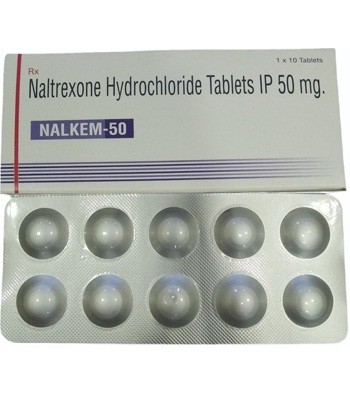
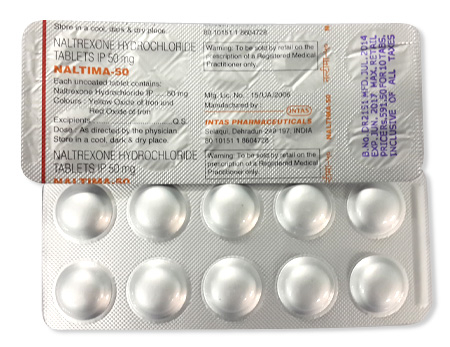
Naltrexone is an opioid receptor antagonist that blocks the euphoric effects and feelings of intoxication associated with alcohol consumption. By preventing the brain's reward response to alcohol, naltrexone significantly reduces cravings and the likelihood of relapse. Available in both oral tablets and monthly injectable formulations, this medication is particularly effective for individuals who have already achieved initial sobriety.
Common side effects include nausea, headache, dizziness, and fatigue. Naltrexone is contraindicated in patients currently using opioid medications or those with acute hepatitis or liver failure. Regular liver function monitoring is essential during treatment.
Acamprosate works as a glutamate system modulator, helping to restore the natural balance of neurotransmitters in the brain that have been disrupted by chronic alcohol use. This medication is particularly effective at reducing the physical and emotional discomfort experienced during early recovery, including anxiety, insomnia, and restlessness.
Side effects are generally mild and may include diarrhoea, nausea, and abdominal pain. Acamprosate is well-tolerated by most patients and has minimal drug interactions, making it suitable for individuals with co-occurring medical conditions.
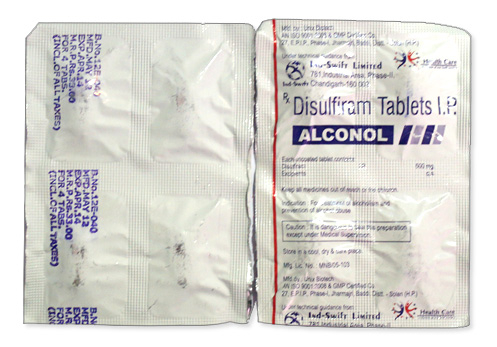
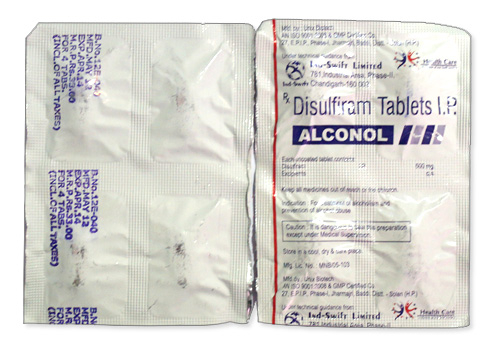
Disulfiram functions as an alcohol-sensitising agent that creates unpleasant physical reactions when alcohol is consumed. By inhibiting aldehyde dehydrogenase, the enzyme responsible for metabolising alcohol, disulfiram causes symptoms such as flushing, nausea, vomiting, and rapid heartbeat when even small amounts of alcohol are ingested.
This medication requires strict adherence and patient commitment, as the deterrent effect only works when taken regularly. Contraindications include severe heart disease, psychosis, and pregnancy. Patients must be counselled about avoiding alcohol-containing products, including mouthwash and cooking ingredients.
Nalmefene is an opioid receptor modulator specifically licensed for reducing alcohol consumption in adults with alcohol dependence who do not require immediate detoxification. Unlike other medications that require complete abstinence, nalmefene is designed to help individuals reduce their drinking gradually whilst working towards sobriety.
The medication is taken on an as-needed basis, approximately 1-2 hours before anticipated drinking. Side effects may include nausea, dizziness, insomnia, and headache, which typically diminish over time.
All alcohol dependence medications require prescription from a qualified healthcare provider, typically through specialist alcohol services or GP practices with appropriate training. NHS availability varies by region, but most Clinical Commissioning Groups provide coverage for these medications when prescribed as part of a structured treatment programme. Patients may need to meet specific criteria and demonstrate commitment to recovery through engagement with support services.
Regular monitoring is essential for all alcohol dependence medications. This includes:
Chronic alcohol use significantly impacts nutritional status and can lead to various vitamin deficiencies and health complications. Support medications and supplements play a vital role in addressing these deficiencies and managing co-occurring conditions that often accompany alcohol dependence. Proper nutritional rehabilitation is essential for physical recovery and optimal treatment outcomes.
Thiamine supplementation is critical for individuals with alcohol dependence, as chronic alcohol consumption severely depletes vitamin B1 stores and can lead to serious neurological complications, including Wernicke-Korsakoff syndrome. High-dose thiamine is typically administered during detoxification and continued throughout early recovery to prevent irreversible brain damage and support neurological healing.
The NHS recommends parenteral thiamine for patients at high risk, followed by oral supplementation. Thiamine is generally well-tolerated, though rare allergic reactions can occur with injectable formulations.
Folic acid and B-complex vitamins are routinely prescribed to address the widespread nutritional deficiencies common in alcohol dependence. Folate deficiency can lead to anaemia and neurological problems, whilst other B vitamins support energy metabolism and nervous system function. Comprehensive multivitamin supplements help restore overall nutritional balance and support the body's recovery processes.
Many individuals with alcohol dependence also experience co-occurring mental health conditions that require concurrent treatment:
Treatment of co-occurring conditions must be carefully coordinated to avoid medications that could interfere with recovery or present abuse potential.
Liver function support is crucial, as alcohol-related liver damage is common. Whilst no specific "liver support supplements" are proven to reverse damage, ensuring adequate nutrition supports the liver's natural regenerative capacity. Milk thistle and other herbal supplements are sometimes used, though evidence for their effectiveness remains limited.
Comprehensive nutritional rehabilitation includes adequate protein intake, essential fatty acids, and minerals such as zinc and magnesium, which are often depleted in alcohol dependence. Working with healthcare providers to develop an appropriate supplementation plan supports both physical recovery and treatment adherence.
The NHS provides comprehensive addiction services through structured referral pathways, typically beginning with your GP who can assess your situation and direct you to appropriate specialist services. Community alcohol teams offer localised support and coordinate care within your area, whilst private treatment options provide additional flexibility for those seeking immediate or alternative care approaches.
Treatment programmes are available in both inpatient and outpatient formats, with inpatient services offering intensive, residential support and outpatient programmes allowing you to maintain daily responsibilities whilst receiving treatment. Medication-assisted treatment (MAT) programmes integrate prescription medications with counselling and psychological therapy to address both physical dependence and underlying behavioural patterns.
Your GP remains central to ongoing care coordination, ensuring prescription monitoring follows safety protocols whilst liaising with specialist services. Funding options include full NHS coverage for eligible services, with private insurance potentially covering additional treatment approaches.
Medical supervision throughout alcoholism treatment is essential, particularly when using cessation medications that may interact with other prescriptions or health conditions. Your healthcare provider will assess contraindications based on your medical history, ensuring treatments are safe and appropriate for your specific circumstances.
Liver function monitoring is crucial during treatment, as alcohol-related damage requires careful assessment before prescribing certain medications. Mental health screening forms an integral part of treatment planning, with particular attention to suicide risk assessment and crisis intervention protocols. Women who are pregnant or breastfeeding require specialised guidance, as many standard treatments may not be suitable.
Long-term recovery planning integrates medication management with counselling services and support groups, creating a comprehensive approach to relapse prevention. Your healthcare team will schedule regular monitoring appointments to assess progress, adjust treatments as needed, and ensure your continued safety throughout the recovery process.